Japanese Yen hits four-decade low against US dollar - why the currency is depreciating
The yen has been steadily depreciating as Japan gradually emerges from decades of economic stagnation. (Image source: Adobe Stock) Yen at record low Top Gun
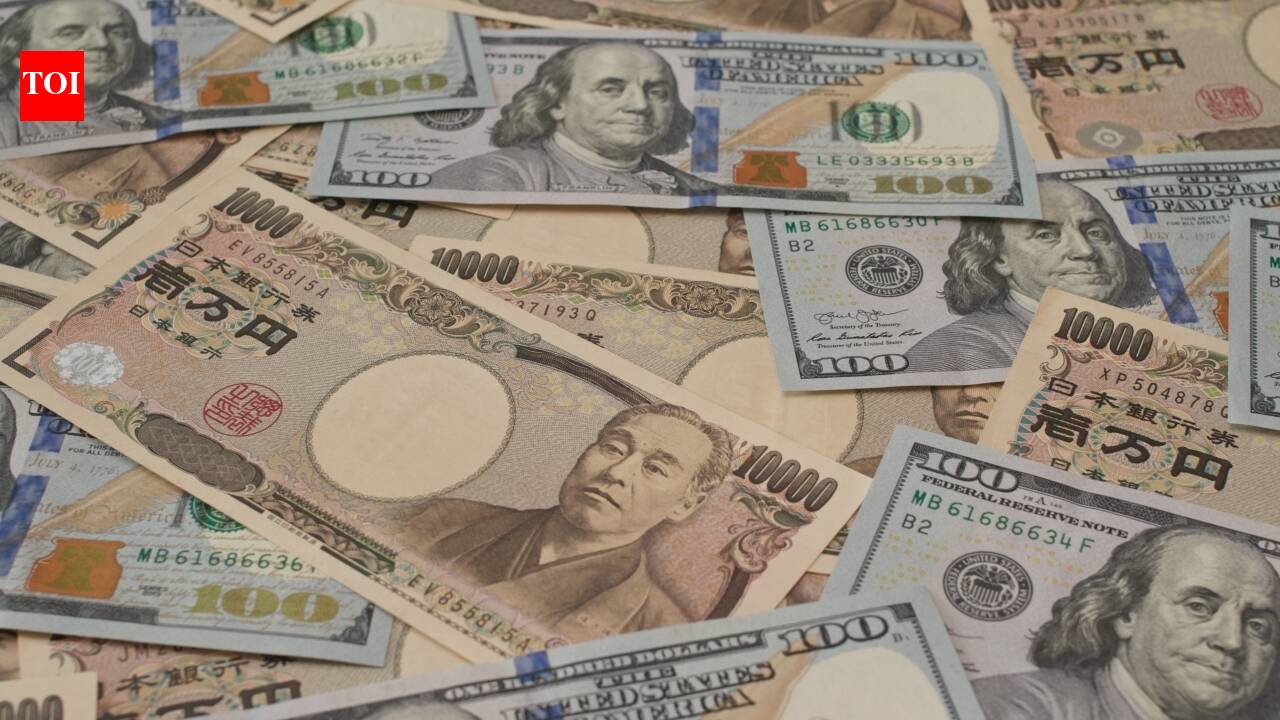
The yen has been steadily depreciating as Japan gradually emerges from decades of economic stagnation. (Image source: Adobe Stock) Yen at record low Top Gun Intervention on the cards? The Japanese yen has weakened to its lowest level against the US dollar since 1986, a move that is likely to heighten concerns among policymakers and keep market participants alert for the possibility of official intervention to support the currency.During overnight trading in New York, the yen slipped past the 161.95-per-dollar level, falling below the low recorded in July 2024 when Japanese authorities had previously stepped in to stabilize the exchange rate. The currency continued to weaken in Tokyo on Tuesday, touching 162.40 against the dollar despite verbal intervention from Chief Cabinet Secretary Minoru Kihara. Remarks later made by Finance Minister Satsuki Katayama had little immediate effect on the market.According to a Bloomberg report, the last time the yen traded at these levels, it was moving in the opposite direction, strengthening during a prolonged rally that followed a currency agreement brokered by the United States.At that time, Japan's asset-price bubble was still taking shape, the Soviet Union was dealing with the aftermath of the Chernobyl nuclear disaster, and the release ofhad just propelled Tom Cruise to the heights of Hollywood fame.The current situation stands in sharp contrast. The yen has been steadily depreciating as Japan gradually emerges from decades of economic stagnation.
While the weaker currency has boosted the earnings of export-oriented companies and contributed to record highs in the country's stock market, it has also increased the cost of imports, particularly oil and natural gas priced in US dollars.The resulting rise in inflation has pushed up the cost of essentials ranging from food to electricity, placing additional pressure on households and posing a political challenge for Prime Minister Sanae Takaichi's government."Today's focus will be whether Japanese authorities move ahead with actual intervention or stronger verbal warnings," said Yujiro Goto, Chief FX Strategist at Nomura Securities.The yen has continued to lose ground despite the Bank of Japan's policy shift in 2024, when it ended its long-standing negative interest rate regime—a move that had initially fuelled expectations of a sustained recovery in the Japanese currency.The Bank of Japan (BOJ) raised its benchmark interest rate to 1% on June 16, marking its highest level since 1995. However, the move had little impact on the currency, as markets continue to expect the US Federal Reserve to maintain a hawkish policy stance. With Japan's interest rates still far below those in the United States and other major economies, investors remain incentivised to borrow in yen at low cost and invest in higher-yielding overseas assets. This carry trade continues to fuel capital outflows and weigh on the Japanese currency.Market participants are also increasingly concerned that the Japanese government prefers the BOJ to adopt a gradual approach toward further rate hikes.
 The BriefWire