After PoK Narrative Fizzles, Pakistan Opens New Front Over Indus Waters Treaty
After PoK Narrative Fizzles, Pakistan Opens New Front Over Indus Waters Treaty Reported By, Edited By Last Updated: June 30, 2026, 11:42 IST According to
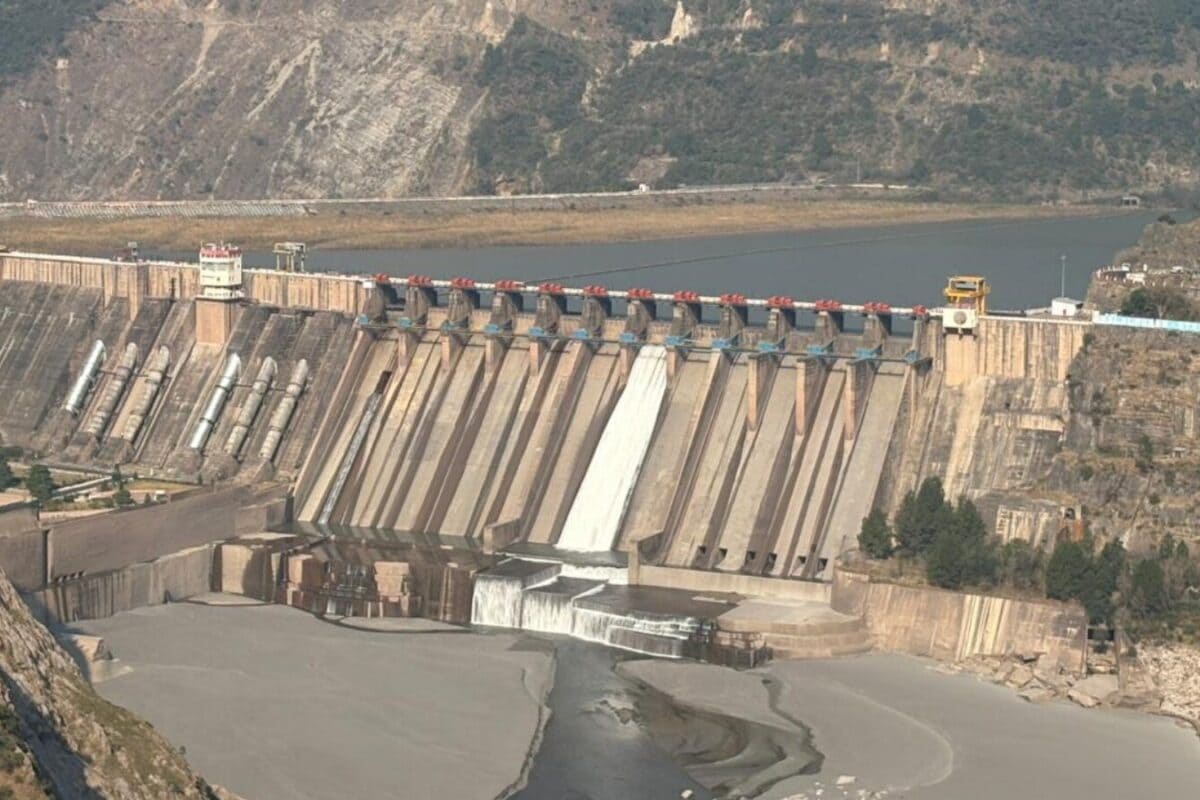
After PoK Narrative Fizzles, Pakistan Opens New Front Over Indus Waters Treaty Reported By, Edited By Last Updated: June 30, 2026, 11:42 IST According to sources, Pakistan will project the treaty as an international issue and is expected to present an uncompromising stance against India's decision to suspend the treaty. Rapid Read India temporarily suspended its participation in the 1960 Indus Waters Treaty (IWT) on April 23, 2025, placing the agreement in abeyance. (File) After its repeated attempts to internationalise developments in Pakistan-occupied Kashmir (PoK) failed to gain traction, Pakistan’s civil-military establishment is now preparing to launch a fresh global campaign centred on the Indus Waters Treaty (IWT), according to top intelligence sources. A high-level civil-military meeting chaired by Prime Minister Shehbaz Sharif and Field Marshal Asim Munir is scheduled in Islamabad on Tuesday to finalise Pakistan’s strategy to escalate the Indus Waters Treaty dispute across every available international forum.
According to sources, Pakistan will project the treaty as an international issue and is expected to present what it describes as an uncompromising stance against India’s decision to suspend the treaty. Islamabad is also expected to accuse India of attempting to “dewater" Pakistan and portray the move as a threat to the country’s economic and agricultural lifeline. In the run-up to the meeting, Pakistan’s leadership has significantly intensified its rhetoric. Federal ministers have declared that Pakistan will “fight for the restoration of the Indus Waters Treaty", while one minister warned that the country would “chop off the hand that touches our water". Senior leaders have accused Prime Minister Narendra Modi of pursuing “water terrorism" and claimed Pakistan’s armed forces are ready to give a “full response" to any threat to the country’s water security. Pakistan has also maintained that “water flows without agreements globally" and rejected India’s right to halt river flows.
Climate Minister Dr Musadik Malik, however, said that India currently lacks the infrastructure capacity to indiscriminately block the flow of rivers into Pakistan. Despite financial constraints affecting projects such as the Diamer-Bhasha and Dasu dams, Islamabad is expected to continue projecting the water dispute as a global issue requiring international intervention. According to top intelligence sources, the developments reflect a calculated attempt by Pakistan’s civil-military establishment to manufacture an external crisis after its efforts to build international pressure over PoK failed to produce the desired outcome. Sources said Islamabad is desperately trying to divert growing public anger over Pakistan’s deepening economic collapse, political instability and strategic setbacks, particularly in Pakistan-occupied Kashmir. By creating a hyper-nationalist narrative and employing emotionally charged terms such as “water terrorism", the establishment is attempting to shift attention away from severe internal crises, including acute domestic resource mismanagement and the erosion of public trust in the country’s leadership.
 The BriefWire