Shinde-Chavan Strategy Pays Off As Mahayuti Tightens Grip On Thane With Cooperative Bank Win
Shinde-Chavan Strategy Pays Off As Mahayuti Tightens Grip On Thane With Cooperative Bank Win Reported By, Last Updated: June 30, 2026, 11:36 IST BJP and
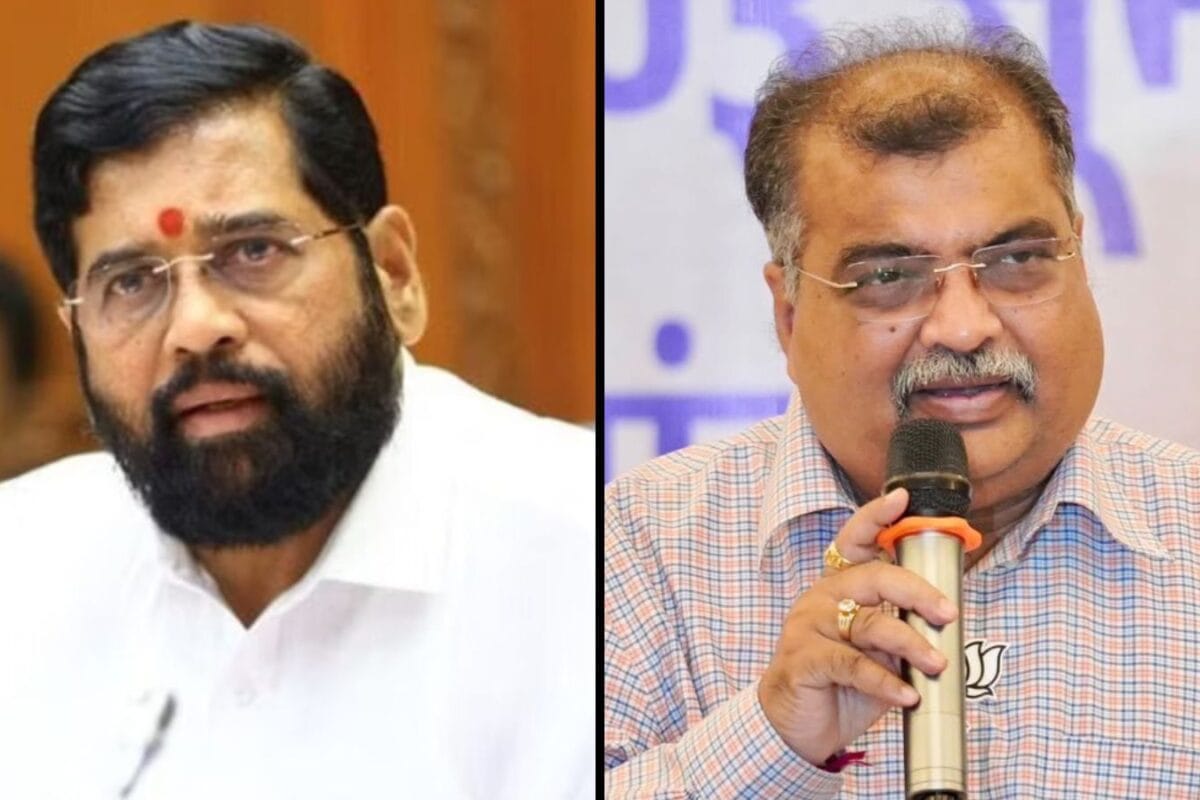
Shinde-Chavan Strategy Pays Off As Mahayuti Tightens Grip On Thane With Cooperative Bank Win Reported By, Last Updated: June 30, 2026, 11:36 IST BJP and the Shinde-led Shiv Sena contested on separate panels as part of a planned strategy to maximise support and prevent anti-BVA votes from splitting Rapid Read Maharashtra deputy chief minister Eknath Shinde (left) and BJP Maharashtra chief Ravindra Chavan. The electoral battle for the Thane District Central Cooperative Bank has delivered more than just a change in numbers; it has underlined the political coordination between Maharashtra deputy chief minister Eknath Shinde and BJP Maharashtra chief Ravindra Chavan. Their carefully crafted strategy helped the alliance wrest control of one of the state’s influential cooperative institutions, despite BJP and Shiv Sena (Shinde) candidates contesting against each other on separate panels. In the election for 21 seats, the Mahayuti-backed candidates secured 13 seats, comfortably crossing the majority mark of 11 and ending the long-standing dominance of the Bahujan Vikas Aghadi (BVA), led by Hitendra Thakur, over the bank.
At first glance, the BJP and the Shinde-led Shiv Sena appearing on rival panels had raised eyebrows, particularly because both parties are allies in the Centre and in Maharashtra. However, party insiders maintained that the move was a calculated political exercise rather than a sign of discord. The objective, they said, was to accommodate a large pool of aspirants while ensuring that anti-BVA votes were not wasted. The strategy appears to have worked. The ‘Sahakar Panel’, which included candidates from the Shinde camp along with several BJP nominees backed by MLA Kisan Kathore, emerged as the decisive winner. Simultaneously, BJP and Shiv Sena (Shinde) candidates also contested through the ‘Parivartan Panel’, creating a broader electoral footprint for the ruling alliance across constituencies. The final tally reflected the success of that approach. Eight BJP candidates and five from the Shinde-led Shiv Sena were elected, giving the Mahayuti combine a clear majority in the 21-member board.
The outcome is politically significant because cooperative institutions in Maharashtra have long served as centres of regional influence, shaping grassroots networks and local leadership. Winning control of such bodies is often viewed as an indicator of organisational strength ahead of larger political contests. The result is also being seen as a boost for the political chemistry between Shinde and Chavan, who have increasingly worked in tandem in the Thane region. Their ability to execute a coordinated electoral strategy, despite fielding candidates on separate panels, is likely to strengthen the ruling alliance’s confidence in future local body and cooperative elections. Attention will now shift to the election of the bank’s chairman and other office-bearers. While the Mahayuti has secured the numbers to control the institution, the final decision on key positions is expected to be taken by the alliance’s senior leadership. For the ruling alliance, the Thane cooperative bank verdict is not merely an institutional victory—it is a political message that strategic coordination can outweigh conventional electoral arithmetic.
 The BriefWire