Champat Rai Questioned For Two Hours: 4 Answers Ayodhya Police Tried To Get On Ram Mandir Donations
Champat Rai Questioned For Two Hours: 4 Answers Ayodhya Police Tried To Get On Ram Mandir Donations Published By, Edited By Last Updated: June 30
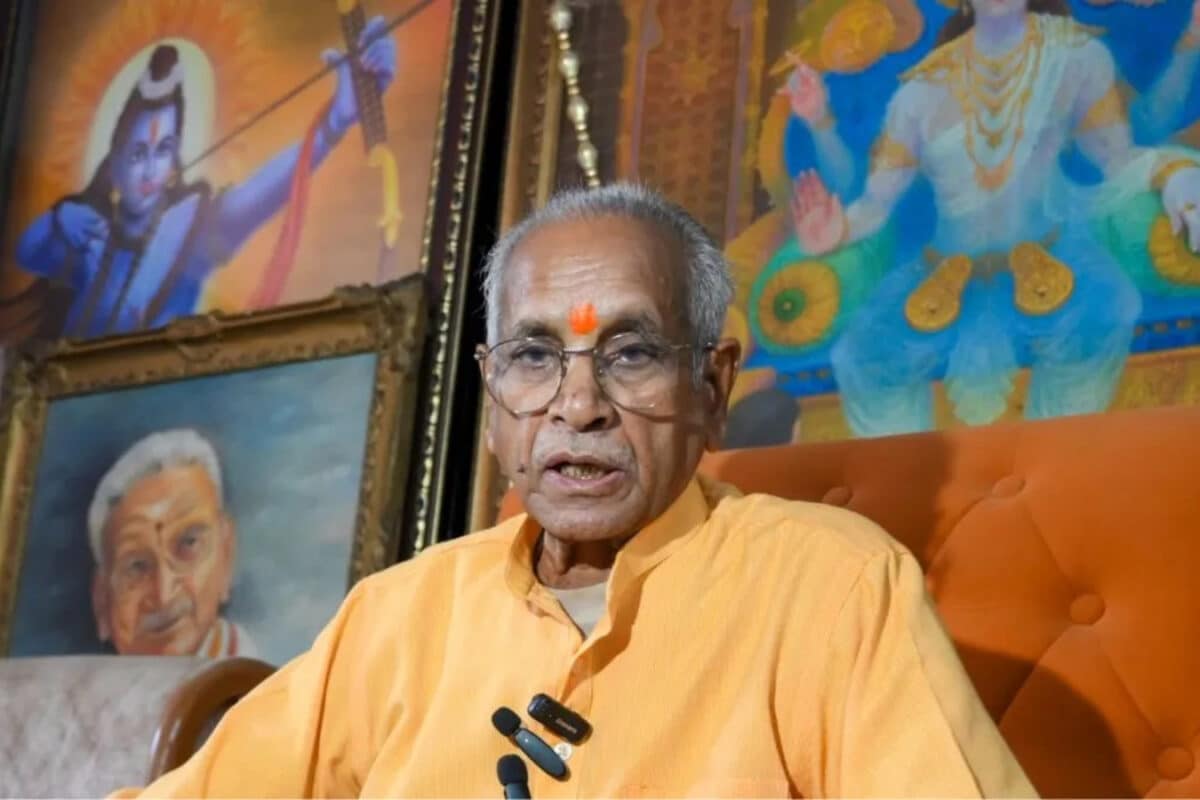
Champat Rai Questioned For Two Hours: 4 Answers Ayodhya Police Tried To Get On Ram Mandir Donations Published By, Edited By Last Updated: June 30, 2026, 11:27 IST Investigators describe Champat Rai as one of the most crucial witnesses because he oversaw many of the administrative systems governing the temple's finances Rapid Read When the apex court cleared the path for the temple’s construction in a landmark 2019 verdict, Rai was strategically selected by the Union Cabinet to serve as the foundational general secretary of the powerful Teerth Kshetra Trust. File pic/PTI The investigation into the alleged embezzlement of donations made by devotees at the Ram Mandir in Ayodhya has now reached the top levels of the Shri Ram Janmabhoomi Teerth Kshetra Trust. On Monday, former Trust general secretary Champat Rai was questioned by the Ayodhya Police for nearly two hours as investigators attempted to reconstruct the entire chain through which cash donations moved, from the moment devotees dropped money into donation boxes until it was counted and deposited in banks. The questioning comes days after the arrest of several individuals accused of siphoning off temple donations and amid an expanding investigation that now includes bank officials and Trust functionaries. Read More: Ram Temple Donation Scam: Champat Rai Questioned For Over 3 Hours, Denies Role In Alleged Embezzlement Police maintain that Rai is not an accused at this stage. Instead, investigators describe him as one of the most crucial witnesses because he oversaw many of the administrative systems governing the temple’s finances during the period under investigation. His statement is expected to help establish whether the alleged theft resulted from individual misconduct or deeper procedural failures. What The Ram Mandir Donation Case Is About The case surfaced after allegations emerged that cash offerings made by devotees at the Ram Mandir were being systematically siphoned off over a prolonged period.
According to investigators, employees entrusted with handling donations allegedly manipulated the counting and deposit process to divert money before it reached official bank accounts. So far, police have arrested eight accused, recovered a substantial amount of cash, and launched a wider probe into the temple’s financial management. Investigators suspect nearly Rs 7 crore in devotees’ cash offerings may have been siphoned off over a period of time. This is the figure around which the SIT probe is centred. Police have so far recovered Rs 79.85 lakh during raids linked to the accused. The accused are: Avinash Shukla, Anukalp Mishra, Lavkush Mishra, Manish Kumar Yadav, Karunesh Pandey, Ramashankar Mishra, Subhash Srivastava and Ramashankar Yadav alias Tinnu Yadav. Investigators have also sought five years of banking records from seven banks, examined CCTV footage, questioned State Bank of India officials and expanded the probe beyond the accused employees to understand whether supervisory lapses enabled the alleged embezzlement. Police have also issued notices to Trust members Anil Mishra and Gopal Rao as part of the ongoing investigation. Against this backdrop, Champat Rai’s testimony assumed particular significance as the police aimed at four big questions 1. How exactly were donations received, counted and deposited? The primary focus of the questioning was understanding the Standard Operating Procedure (SOP) governing temple donations. According to a Times of India report, investigators sought a step-by-step explanation of how cash moved after devotees placed money into donation boxes. They wanted to know who authorised the opening of donation boxes, who remained present during counting, how the cash was verified, documented and packed, and how it eventually reached the designated bank accounts. Police are trying to identify whether any stage in this chain had vulnerabilities that could have been exploited by the accused.
 The BriefWire