Madhu lynching case: Kerala HC enhances sentence of 12 accused to life imprisonment, acquits one
The Kerala High Court on Monday (May 25, 2026) acquitted Husain of Pakkulam, Palakkad — the first accused in the lynching of Madhu, a mentally
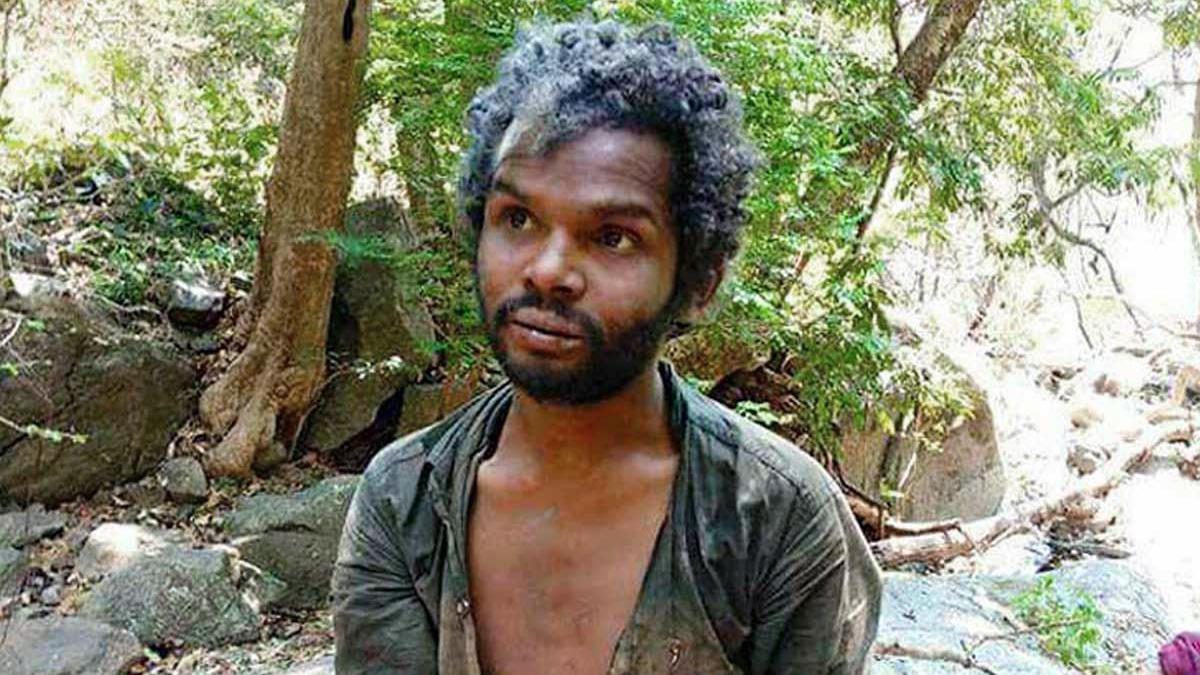
The Kerala High Court on Monday (May 25, 2026) acquitted Husain of Pakkulam, Palakkad — the first accused in the lynching of Madhu, a mentally challenged tribal youth from Attappady, Kerala, in 2018, citing lack of evidence. The court, however, rejected the appeals filed by the 12 other accused and awarded them life imprisonment, apart from ₹2 lakh fine each. They had earlier been awarded seven years of imprisonment. The court was hearing the appeals filed by the accused seeking acquittal, and also by the State government and Madhu’s mother, Malli, who sought enhanced punishment for the accused. Madhu was killed following the allegation that he had stolen rice from a grocery shop in Attappady on February 22, 2018. A special court in Mannarkkad for trial of cases of atrocities against members of SC/ST communities had convicted 14 of the 16 accused in the case in April 2023.
The High Court observed that this was the first case of mob lynching to come before the courts of Kerala, and also the first case in the State where a tribal man was hunted down, publicly humiliated, and assaulted by a group of persons who believed they were entitled to enforce their own version of community justice on a man. They did not feel that Madhu was worthy of ordinary human dignity. Importantly, it said,this was also a case in which the prosecution had been doomed to fail, not because the truth was unavailable, but because a large section of the community that had witnessed the incident collectively had chosen to look the other way. “Every individual within this Republic, irrespective of caste, tribe, community, or social background, is entitled to live with dignity, security, and equal protection under law. Though Madhu was entitled to all of these protections, he was granted none.
His death stands as a painful reminder of the continuing distance between constitutional ideals and the lived reality of many among the most marginalised sections of society. The near-total collapse of eyewitness testimony in the present case is one of the most disturbing features of the entire trial, and we record our deep concern regarding the same,” said a Division Bench of Justices Raja Vijayaraghavan V. and K.V. Jayakumar. Approximately 75 persons were present at Mukkali junction when Madhu sat tied against the temple treasury box on that afternoon (February 22, 2018). Forest officials, shop employees, roadside traders, and local residents appeared before the court, watched the CCTV footage in open court, and pleaded ignorance when their images and videos came up on the screen and claimed inability to identify the persons involved. The evidence on record further established that several accused persons had contacted witnesses during the pendency of the trial, in clear violation of their bail conditions.
It was only after the bail of most of the accused was cancelled and they were remanded to custody that a forest watcher, a witness, found the courage to depose before the court, the High Court said, adding that witness protection in the country remained deeply inadequate in practice. This case also demonstrated the profound importance of electronic evidence in the administration of criminal justice. Ultimately, the truth regarding what transpired in 2018 survived because of three CCTV cameras, six mobile phones, a GPS chip embedded in a mobile phone, call detail records and the forensic analysis undertaken by government scientists who painstakingly examined those devices. The accused themselves recorded portions of the incident and circulated the videos through WhatsApp, the High Court said, and hoped that such an incident would not recur.
 The BriefWire