Why West Bengal’s New Law Is Called ‘Goonda Bill’: Is It Similar To UP Act? Explained
Why West Bengal’s New Law Is Called ‘Goonda Bill’: Is It Similar To UP Act? Explained Written By, Last Updated: June 29, 2026, 19:21 IST
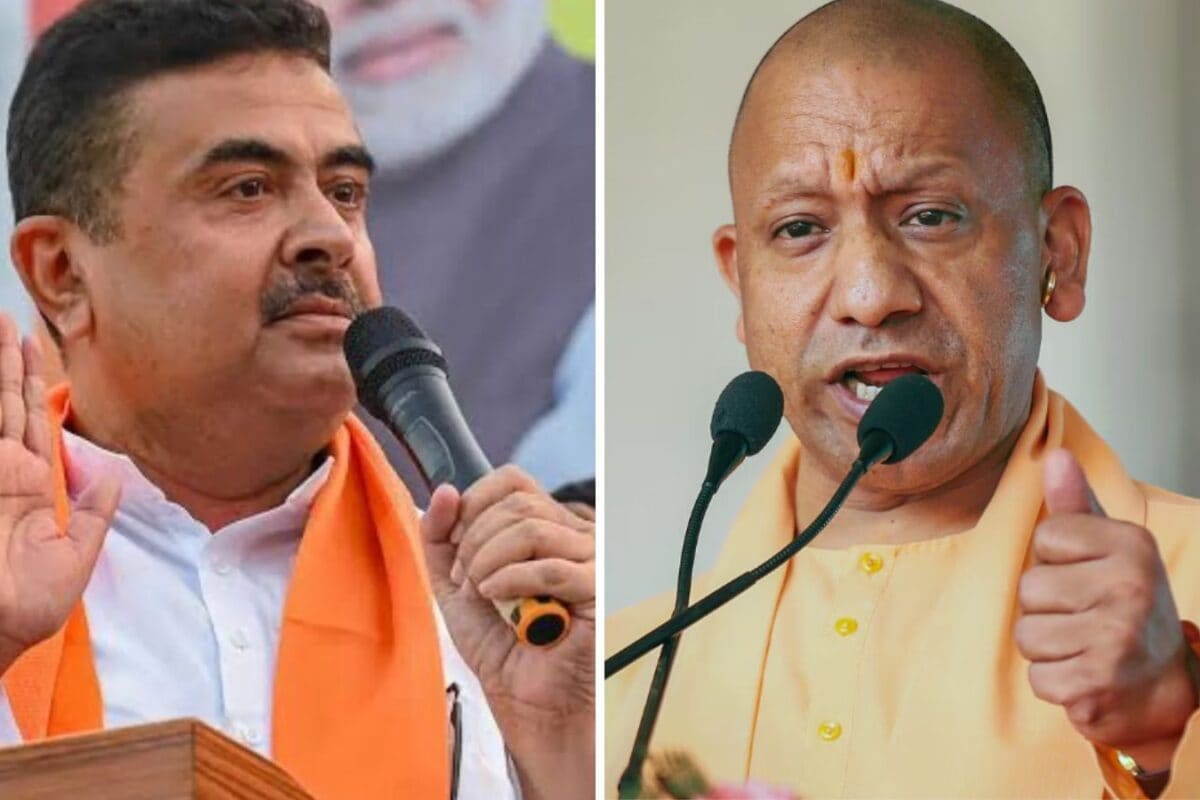
Why West Bengal’s New Law Is Called ‘Goonda Bill’: Is It Similar To UP Act? Explained Written By, Last Updated: June 29, 2026, 19:21 IST What are the provisions of West Bengal Public Safety and Control of Anti-Social Activities Bill, 2026? Is it similar to UP Recovery of Damage to Public and Private Property Act? Rapid Read Suvendu Adhikari, Yogi Adityanath. (File) The West Bengal Public Safety and Control of Anti-Social Activities Bill, 2026 is a stringent new law designed to tackle organized crime, repeat offenders, and public disorder. Popularly referred to as the “Goonda Bill," the legislation was passed by the West Bengal Assembly on June 29, 2026, with 176 votes in favour and 41 against. Introduced by the BJP state government under Chief Minister Suvendu Adhikari, the bill is aimed at eradicating political and syndicate violence. It heavily models parts of its framework on tough anti-gang laws seen in states like Uttar Pradesh, Gujarat, and Maharashtra. THE WEST BENGAL PUBLIC SAFETY AND CONTROL OF ANTI-SOCIAL ACTIVITIES BILL, 2026 The core components, expanded definitions, and mechanisms of the new bill include 1. Preventive Detention Without Trial The law authorises the state government, District Magistrates, or Police Commissioners to place individuals in preventive detention for up to 12 months without formal charges or trial. If a detainee is released but found re-engaging in anti-social activities, authorities can immediately issue a fresh 12-month detention order. Initial detention orders remain valid for 15 days unless ratified by the state government. Within three weeks, an Advisory Board chaired by a serving or retired High Court judge must review the grounds to determine if continued detention is justified.
2. Broad Definition of a “Goonda" The bill extends the label of a habitual offender or “goonda" beyond violent criminals to include individuals who habitually commit, promote, or finance syndicate crimes. This covers Those charge-sheeted under Sections 111 or 112 of the Bharatiya Nyaya Sanhita (BNS) for organised crime. Repeat violators of the Arms Act, Explosive Substances Act, and Narcotics (NDPS) Act. Anyone “generally reputed to be desperate and dangerous to the community." 3. Expanded Scope of “Anti-Social Activities" The legislation expands what constitutes a threat to public order, enabling police to act even if an offense is merely “likely to occur." The law covers Acts triggering public fear, panic, or widespread danger to life and property. The unlawful dispossession of property or obstruction of legal business trade. Economic environmental crimes that cause severe loss to the public exchequer, such as illegal mining, unauthorised sand extraction, and forest or wildlife crimes. 4. “Externment" and Policing Powers District Magistrates and Commissioners of Police can bar a suspected “goonda" from entering specified districts or regions for up to 12 months if they threaten public peace. All offences under this framework are designated as cognizable and non-bailable, allowing the police to execute searches, property seizures, and arrests without a warrant. Assisting, sheltering, or hiding individuals fleeing active detention or externment orders is a punishable crime. 5. Property Auctioning and Damage Recovery Passed alongside the complementary West Bengal Maintenance of Public Order (Amendment) Bill, 2026, the government now holds the power to seize and auction the properties of accused individuals to recover costs for public or private property damaged during riots and protests.
 The BriefWire