Witnesses, Bitta Karate interview: Inside chargesheet in Sarla Bhat murder case
Protected witness statements, eyewitness accounts, forensic evidence and an authenticated interview of former Jammu and Kashmir Liberation Front (JKLF) terrorist Bitta Karate are among the
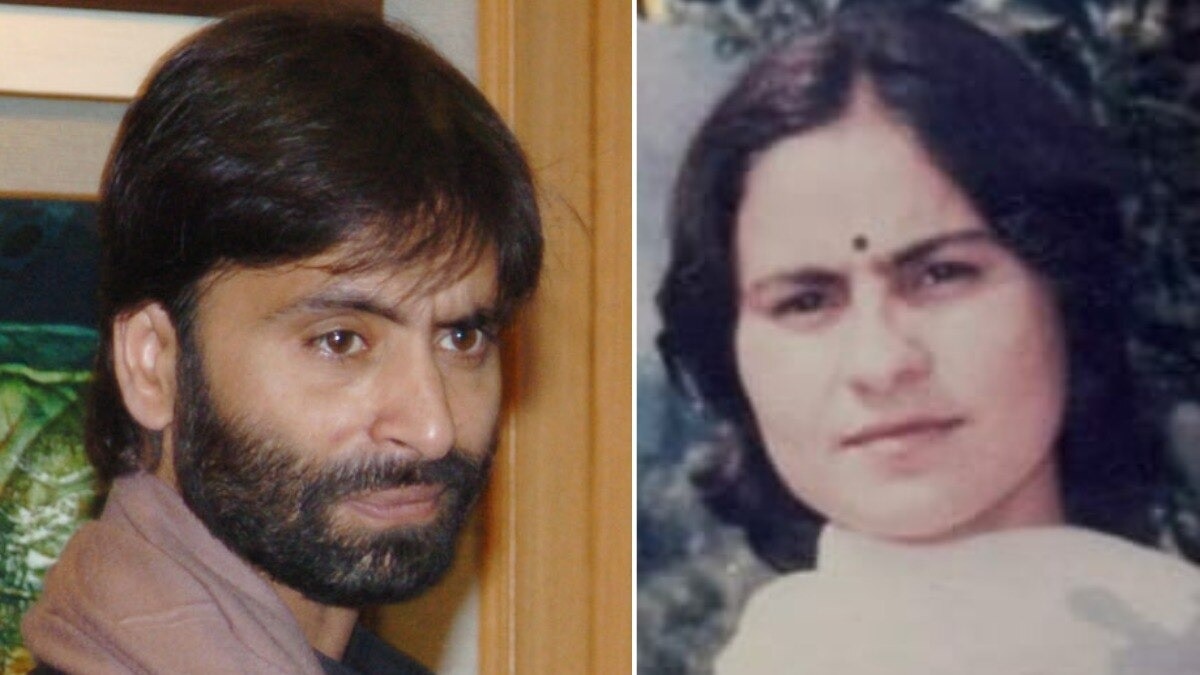
Protected witness statements, eyewitness accounts, forensic evidence and an authenticated interview of former Jammu and Kashmir Liberation Front (JKLF) terrorist Bitta Karate are among the key pieces of evidence cited in a 737-page chargesheet filed in the 1990 kidnapping and murder of Kashmiri Pandit nurse Sarla Bhat. The chargesheet, filed by Jammu and Kashmir's Special Investigation Agency (SIA) before a special TADA court in Srinagar, names five accused, including former JKLF commander Yasin Malik. Of the five accused, three have died, one is on the run, and Malik is currently serving a life sentence in Delhi's Tihar Jail in a terror-funding case. Read Full Story According to sources, the SIA has reconstructed the three-decade-old case using oral, documentary, forensic, medical, ballistic and electronic evidence after the investigation was revived and transferred to the agency in March 2024. Sarla Bhat was kidnapped in April 1990 and her body, bearing multiple injuries, was recovered the following day in Srinagar. The killing became one of the most prominent cases linked to the targeted attacks on Kashmiri Pandits during the early years of militancy in the Valley.
WITNESSES IDENTIFY ACCUSED One of the strongest pillars of the prosecution case is the testimony of protected witnesses, including statements recorded before a magistrate under Section 164 of the Criminal Procedure Code (CrPC). According to the chargesheet, these witnesses identified Sarla Bhat with the accused shortly before her kidnapping and described how she was kidnapped, dragged away and killed by JKLF terrorists. The investigation also relies on independent eyewitnesses who identified Mohammad Yousuf Sofi alias Idrees, Abdul Hamid Sheikh, Khurshid Ahmad Chalkoo and Ghulam Mohammad Taploo as participants in the assault and killing. BALLISTIC, MEDICAL FINDINGS SUPPORT WITNESS ACCOUNTS The SIA says forensic and ballistic evidence corroborates the witness testimonies. A ballistic examination concluded that all three cartridge cases recovered from the crime scene had been fired from the same 7.62x39 mm firearm, supporting eyewitness accounts that automatic rifle fire was used during the killing. Medical evidence cited in the chargesheet documents multiple firearm entry and exit wounds, extensive internal injuries and signs of physical torture on Sarla Bhat's body.
Investigators have also relied on pointing-out memos and site identification exercises to reconstruct the route allegedly taken by the accused and identify the location where the nurse was killed. JKLF CLAIM NOTE, BITTA KARATE'S INTERVIEW CITED IN CHARGESHEET The chargesheet refers to a note recovered from Sarla Bhat's body in which JKLF claimed responsibility for the killing and accused her of being a "mukhbir" (informer) for security forces. Although handwriting experts at the Central Forensic Science Laboratory were unable to conclusively attribute the note to any individual, investigators say contemporaneous media reports published immediately after the killing corroborate the document. Among the electronic evidence cited is an authenticated television interview of Bitta Karate, preserved under Section 65-B of the Indian Evidence Act. According to the prosecution, Bitta Karate acknowledged participating in targeted killings carried out on the instructions of senior JKLF leadership. Investigators say the interview strengthens their argument that Sarla Bhat's murder was part of an organised terror campaign rather than an isolated act. Notably, in 2019, the government banned JKLF under the Unlawful Activities (Prevention) Act for promoting secession of Jammu and Kashmir from the country.
 The BriefWire