US-India trade deal: Inside the key sticking points
Both India and the US have signaled that the first phase of a landmark trade deal is close. DW looks at the main challenges in
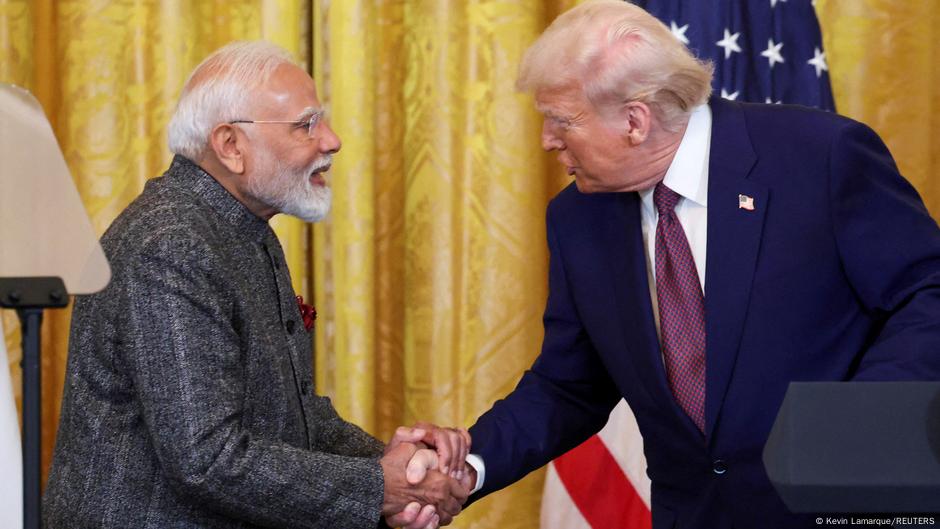
Both India and the US have signaled that the first phase of a landmark trade deal is close. DW looks at the main challenges in getting a deal past the finish line. India and the United States have made substantial progress toward signing a landmark Bilateral Trade Agreement (BTA), but following multiple rounds of talks, there has been no significant breakthrough. The reasons lie in familiar fault lines in global trade — market access, tariffs, and a negotiation where neither side can afford to appear to have blinked first. Relations between Indian Prime Minister Narendra Modi and US President Donald Trump have become strained since they first announced negotiations for a trade deal in February 2025. The two leaders were drawn into a diplomatic tussle in May 2025 after Trump claimed to have brokered a peace deal between India and Pakistan following the Pahalgam attack in India-administered Kashmir. In August 2025, the Trump administration doubled duties on a selection of Indian exports to the US over New Delhi's continued purchases of Russian oil — an additional 25% duty was stacked on top of the 25% reciprocal tariff. Nearly 18 months into talks, experts told DW that they believe Indian Trade Minister Piyush Goyal when he says a deal is "very close." But the deal is unlikely to go through until both sides get a few critical assurances. US Supreme Court shifts leverage In February 2026, a year after the US and India first announced trade talks, the two sides released a framework for an interim trade deal that "reaffirms the countries' commitment to the broader US-India Bilateral Trade Agreement (BTA) negotiations." US top diplomat Marco Rubio in India to renew strained ties To view this video please enable JavaScript, and consider upgrading to a web browser that supports HTML5 video Under the agreement, India will "eliminate or reduce tariffs" on all US industrial products and a wide range of US food and agricultural goods. New Delhi also plans to buy about $500 billion (€438 billion) worth of US goods over the next five years. The US agreed to reduce Trump's tariffs from 25% to 18% and rescind the punitive extra 25% tariff imposed on India for its purchase of Russian oil.
Days later, the US Supreme Court struck down the administration's sweeping tariffs, taking away Washington's original leverage. India adamant to gain competitive advantage India's Commerce Minister Piyush Goyal is seeking an advantage over the country's global competitors. "We obviously have to have some reason to be able to enter into force that agreement we have already agreed upon," Goyal said last week, while attending the India Global Forum in London. It cannot come into force unless India secures a competitive tariff advantage over its competitor nations. "The day that happens, the deal is on," he said. India is increasingly positioning itself as a manufacturing hub in an effort to become a key player in global value chains. Several Asian economies — such as China, Malaysia, and Vietnam — have grown using this model. As New Delhi looks to move the country up the ranks of the world's largest economies, securing a competitive trade advantage with the US would be critical. Agriculture market access Just as Goyal needs to show India a victory by gaining competitive tariffs, the Trump administration needs to show US farmers some foray into India's agricultural markets. American corn, soybeans and dairy are at the center of that discussion. China has been a significant driver of the US agricultural sector, importing a wide range of goods. But years of trade wars and geopolitical tensions have made Beijing look elsewhere. Chinese purchases of US soybeans and corn have sharply declined as it has switched to other markets like Brazil. As a result, Trump has been trying to find new markets for American farmers — a key political base for the president. A new chapter in US-China rivalry To view this video please enable JavaScript, and consider upgrading to a web browser that supports HTML5 video Washington has also been pushing New Delhi for market access for genetically modified crops, pulses, grains, dairy, and dry fruits. However, farm bodies have warned Modi's government that lowering tariff and non-tariff barriers would lead to billions in losses of farmer income. About 40%–50% of India's population is directly or indirectly employed in the nation's agricultural sector and farmers hold significant political sway.
 The BriefWire