Delhi Approves New EV Policy: Only Electric Two-Wheelers From 2028, E-Autos Mandatory From 2027
Delhi Approves New EV Policy: Only Electric Two-Wheelers From 2028, E-Autos Mandatory From 2027 Published By, Last Updated: June 29, 2026, 16:54 IST Delhi approves
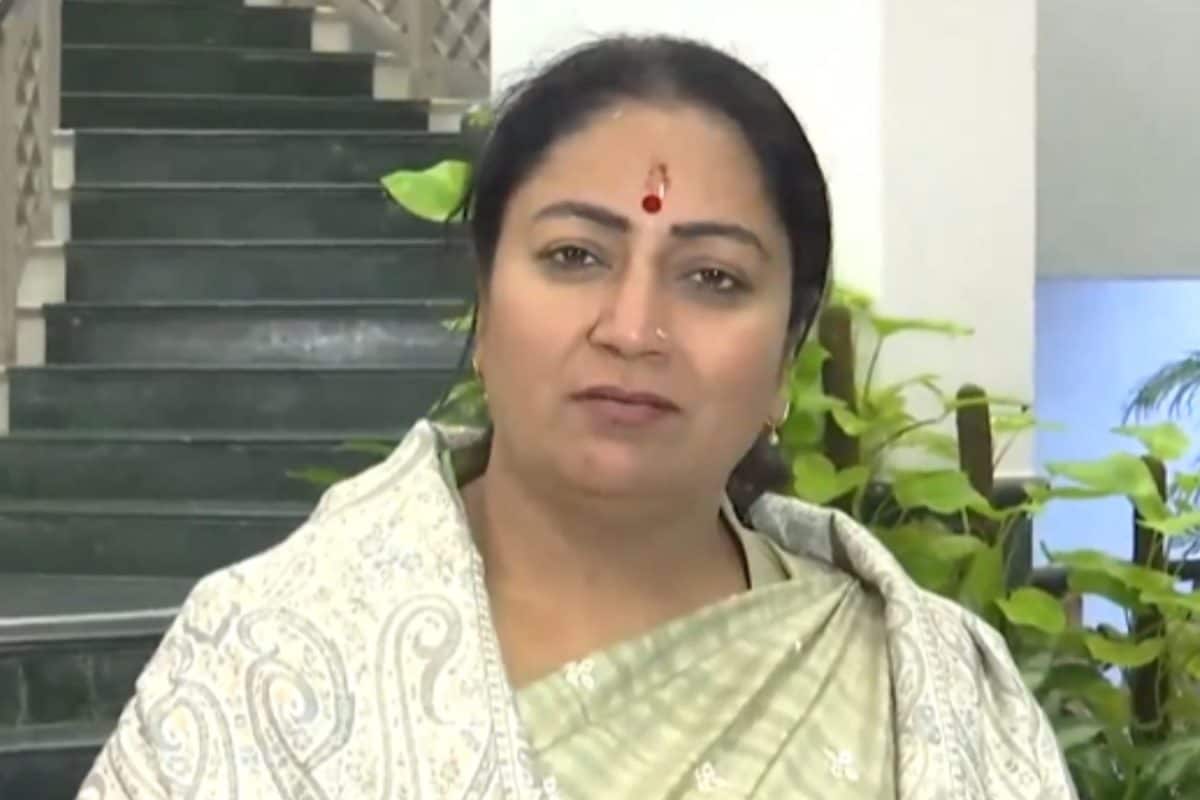
Delhi Approves New EV Policy: Only Electric Two-Wheelers From 2028, E-Autos Mandatory From 2027 Published By, Last Updated: June 29, 2026, 16:54 IST Delhi approves new EV Policy from July 1 2026 to March 31 2030, phases out new petrol and CNG commercial vehicles, offers buyer incentives and plans 23000 charging points. Delhi Chief Minister Rekha Gupta (File pic; Credits: ANI) The Delhi Cabinet on Monday approved the capital’s new Electric Vehicle (EV) Policy, paving the way for a phased transition towards electric mobility with incentives for buyers and a gradual end to the registration of new petrol, diesel and CNG commercial vehicles in several categories. Chief Minister Rekha Gupta announced that the policy will come into effect from July 1, 2026, after receiving the Lieutenant Governor’s approval. It will remain in force until March 31, 2030, with an estimated implementation cost of around ₹7,000 crore. Read More: Delhi Govt Clears EV Policy, Offers Road Tax Waivers For Vehicles Under Rs 30 Lakhs Only EVs In Phases Under the policy, only electric autorickshaws and N1 category goods vehicles will be registered in Delhi from January 1, 2027.
From April 1, 2028, only electric two-wheelers will be eligible for new registration, effectively phasing out the registration of new petrol and CNG-powered two-wheelers. The government said the phased rollout is aimed at reducing pollution, particularly emissions from commercial vehicles. Incentives For EV Buyers Transport Commissioner Niharika said buyers of electric vehicles will receive financial incentives of up to ₹30,000 for electric two-wheelers, ₹50,000 for electric autorickshaws and ₹1 lakh for N1 electric trucks. Additional incentives will also be offered to owners who scrap old vehicles while purchasing new electric ones. Pure electric vehicles will continue to enjoy exemptions from road tax and registration fees. However, hybrid vehicles will not receive any subsidy under the new policy. The government also clarified that there will be no cap on the number of EVs eligible for benefits, allowing buyers to claim incentives for multiple vehicles. Charging Network, School Buses As part of the policy, Delhi plans to install 23,000 EV charging points across the city during the policy period.
School bus fleets will also be converted to electric vehicles in phases, while the power infrastructure will be upgraded to support increasing EV adoption, Power Minister Ashish Sood said. Government Targets Cleaner Air Transport Minister Dr Pankaj Singh said the policy had been designed keeping Delhi residents’ interests in mind and urged citizens to adopt electric vehicles. Environment Minister Manjinder Singh Sirsa said the policy was based on scientific studies and would play a significant role in reducing air pollution in the national capital. The new EV policy is part of the Delhi government’s broader strategy to accelerate the shift to clean mobility while improving urban air quality over the next four years. News18 Newsletter Handpicked stories, in your inbox A newsletter with the best of our journalism submit About the Author News Desk The News Desk is a team of passionate editors and writers who break and analyse the most important events unfolding in India and abroad.
 The BriefWire