Equal Seat Share With SP? New UP Congress Chief's Remark Triggers Buzz, Puts INDIA Bloc On Edge
Equal Seat Share With SP? New UP Congress Chief's Remark Triggers Buzz, Puts INDIA Bloc On Edge Reported By, Edited By Last Updated: June 29
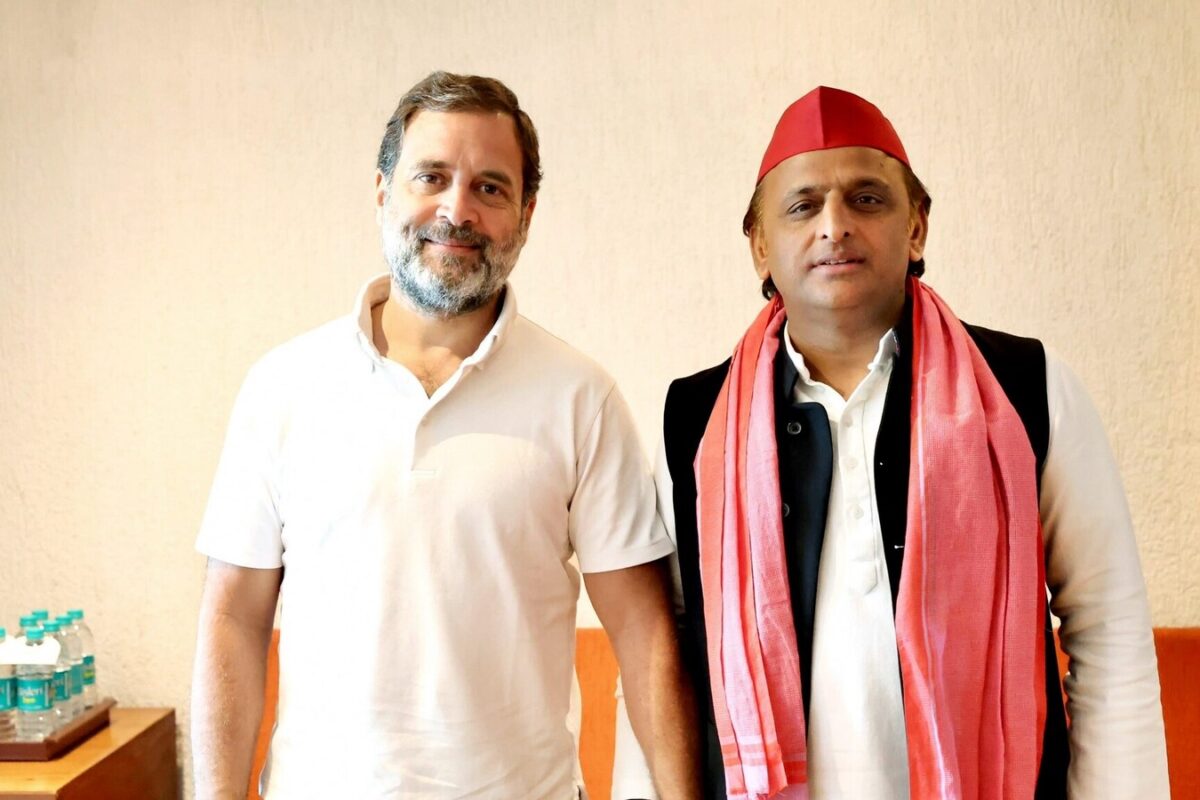
Equal Seat Share With SP? New UP Congress Chief's Remark Triggers Buzz, Puts INDIA Bloc On Edge Reported By, Edited By Last Updated: June 29, 2026, 15:44 IST Samajwadi Party leaders privately view the statement as an aggressive bargaining tactic & argue that the Congress can't demand parity when SP remains the principal opposition force Rapid Read Most political observers expect the current rhetoric to eventually give way to pragmatic negotiations between the central leadership of both parties, particularly Rahul Gandhi and Akhilesh Yadav. (PTI) The Congress, which barely began reorganising its Uttar Pradesh unit for the 2027 assembly elections, has been hit by a new political storm after a remark by its newly appointed state in-charge Rajendra Pal Gautam exposed the uneasy equations within the INDIA bloc. Gautam’s remark stating that he would “personally like" an equal seat-sharing arrangement with the Samajwadi Party (SP) has drawn sharp political reactions, prompting both allies and rivals to question the Congress’s ambitions in a state where it remains a marginal electoral force. The statement, made during an interview soon after Gautam assumed charge, was accompanied by his appeal for Bahujan unity, including an invitation to BSP chief Mayawati to join forces against the BJP. While he clarified that the final decision on alliances would be taken by the Congress high command, the “equal seat-sharing" remark quickly became the focal point of political debate. The Samajwadi Party has officially refrained from escalating the issue, but party leaders privately view the statement as an aggressive bargaining tactic.
They argue that the Congress cannot demand parity when the SP remains the principal opposition force with a much stronger cadre base and organisational presence across Uttar Pradesh. During the 2024 Lok Sabha elections, the alliance worked successfully, with the SP contesting 62 seats and winning 37, while the Congress fought 17 and secured six victories. However, assembly elections present a vastly different challenge, requiring organisational strength across all 403 constituencies—an area where the SP enjoys a clear advantage. Political observers believe Gautam’s remarks were aimed less at determining the final seat-sharing formula and more at ensuring that the Congress enters negotiations from a position of confidence rather than weakness. The BJP wasted little time in attacking the opposition alliance. Party leaders described the statement as evidence that the INDIA bloc remains divided over leadership and political relevance even before formal negotiations have begun. The ruling party also invoked memories of the unsuccessful 2017 SP-Congress alliance, arguing that disagreements over power-sharing continue to haunt the opposition. For the Congress, however, the statement appears to be part of a larger political strategy. Gautam, a Dalit leader and former Delhi minister, has been entrusted with rebuilding the party’s social coalition in Uttar Pradesh. His repeated emphasis on Bahujan politics, constitutional issues and Dalit empowerment indicates that the Congress wants to reclaim political space traditionally occupied by the BSP while simultaneously expanding its bargaining power within the opposition alliance. Political analyst Prof Shashi Kant Pandey, head of the department of political science at Dr Bhimrao Ambedkar University, Lucknow, believes the controversy is less about the actual number of seats and more about political messaging.
 The BriefWire