Over 9 Killed As AC Blasts On Rise In Delhi-NCR: How To Prevent Electrical Fires At Home
Over 9 Killed As AC Blasts On Rise In Delhi-NCR: How To Prevent Electrical Fires At Home Published By, Last Updated: June 29, 2026, 14:32
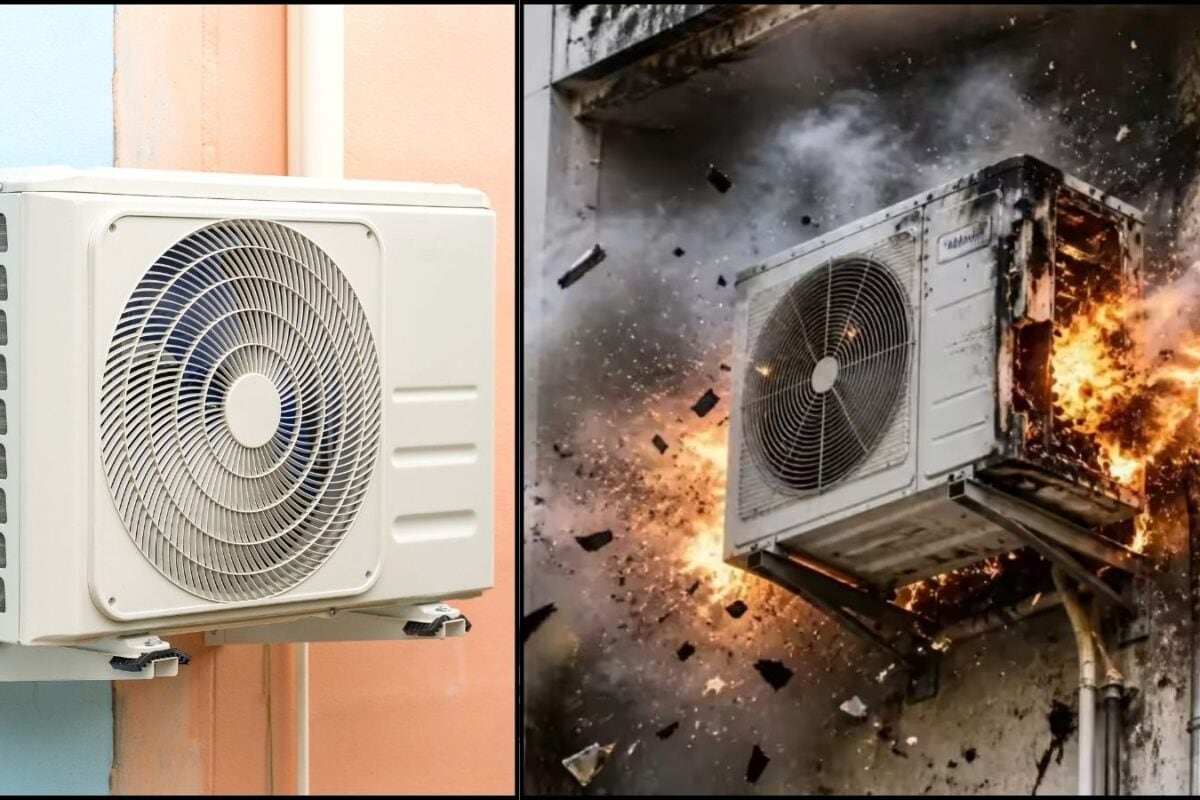
Over 9 Killed As AC Blasts On Rise In Delhi-NCR: How To Prevent Electrical Fires At Home Published By, Last Updated: June 29, 2026, 14:32 IST With temperatures soaring, experts warn that prolonged use of ACs can overload ageing electrical systems if they are poorly maintained. Rapid Read With temperatures rising sharply across India, air conditioners are working harder than ever to keep homes cool. However, prolonged use during extreme heat can increase the risk of overheating, electrical faults, and, in rare cases, fire-related incidents. To stay safe this summer, homeowners should follow these seven important precautions. AC Blast: A fire broke out in a flat on the 21st floor of a Noida high rise building on Monday morning. The blaze, which was likely triggered by an air conditioner explosion, was brought under control after nearly 30 minutes. The blaze broke out around 8:50 am in a flat on the 21st floor of Aranya Society in Sector 119 after an explosion in an air-conditioner unit, according to the fire department. Six fire tenders were rushed to the spot and brought the fire under control within about 30 minutes. No casualties or injuries were reported. Officials said the family was asleep when the AC unit exploded, but managed to escape safely as firefighters quickly contained the blaze. “The family was asleep when the AC unit exploded, triggering the fire. The blaze was doused promptly and no casualties or injuries were reported in the incident," Kumar said.
The incident comes weeks after a series of fatal fires linked to suspected AC-related electrical failures. Last month, retired IAS officer and former Competition Commission of India chairman Dhanendra Kumar died in a fire at his Delhi residence following a suspected AC blast. In May, nine people, including a toddler, lost their lives in a devastating fire linked to an AC explosion in Delhi’s Vivek Vihar. Such incidents have once again highlighted the growing risk of electrical fires during peak summer. With temperatures soaring across several parts of the country, experts warn that prolonged use of air conditioners and other high-power appliances can overload ageing electrical systems if they are poorly maintained. The Chamber of Trade and Industry (CTI) has also issued an advisory urging people to get air conditioners serviced only by authorised or trained technicians. The traders’ body warned against the use of unauthorised mechanics for gas refilling and repairs, saying improper servicing, electrical faults, overheating compressors and gas leaks can increase the risk of fire. What Should Be Done To Prevent Fire? Never Ignore Warning Signs: An AC should never make loud buzzing noises, emit a burning smell, or leak excessively. These are often early warning signs of overheating, compressor failure, wiring issues, or short circuits. Switch off the AC immediately if you notice: Burning smell, Buzzing or unusual noises, Smoke, Excessive water leakage, Ice formation on the unit or Poor cooling performance.
 The BriefWire