'Throne Of Justice': Why The Akal Takht's Word Still Carries Weight Over Punjab's Politics
'Throne Of Justice': Why The Akal Takht's Word Still Carries Weight Over Punjab's Politics Published By, Last Updated: June 29, 2026, 12:25 IST The Akal
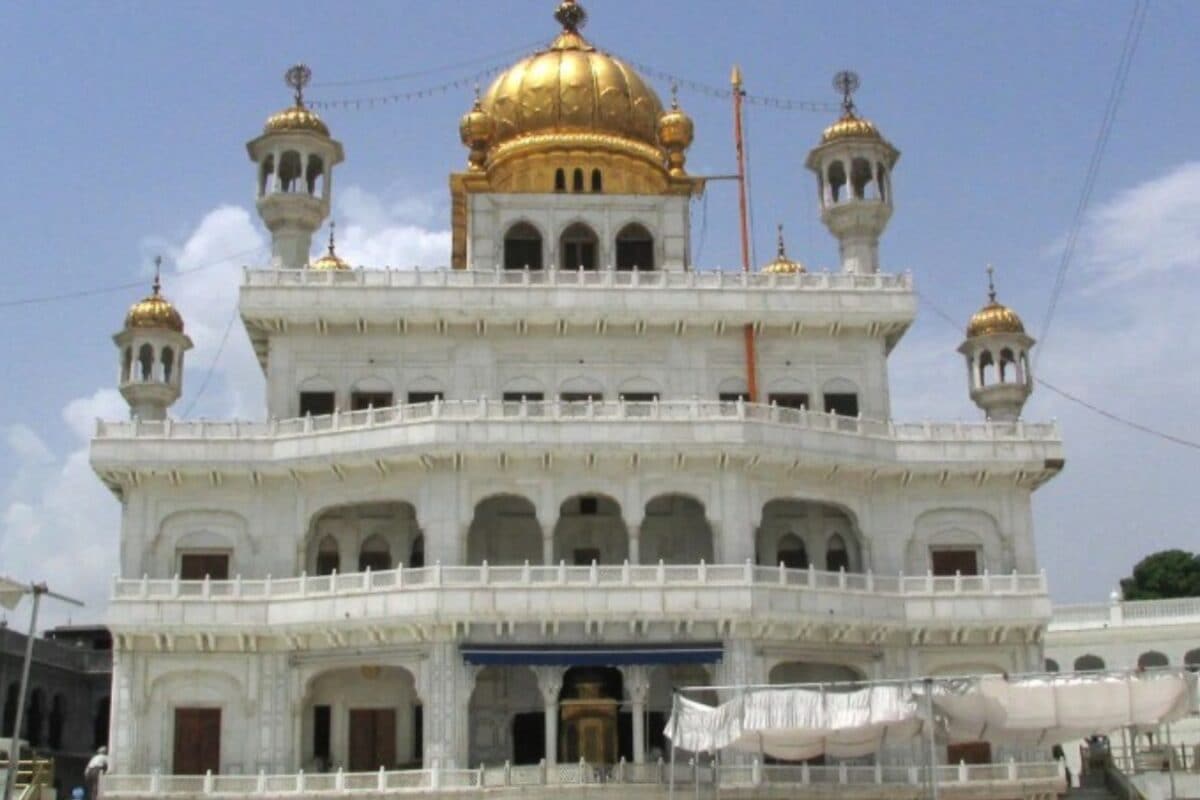
'Throne Of Justice': Why The Akal Takht's Word Still Carries Weight Over Punjab's Politics Published By, Last Updated: June 29, 2026, 12:25 IST The Akal Takht continues to be the highest amongst the five Takhts of Sikhism, while its Jathedar is the most important secular leader of the Sikhs Rapid Read The Akal Takht, literally meaning the “Throne of the Timeless One”, was established in 1606 by the sixth Sikh Guru, Guru Hargobind, directly opposite the Harmandir Sahib (Golden Temple) in Amritsar. (Britannica) When Punjab’s Sikh ministers and MLAs walk into the Akal Takht on Monday, they won’t merely be visiting another place of worship. They will be appearing before an institution that, over the past 400 years, has served as the highest seat of temporal authority in Sikhism—an institution before which kings, generals, gurus and even chief ministers have had to justify themselves. The latest summons, issued over Punjab’s controversial anti-sacrilege law, has once again thrust the Akal Takht into the centre of the state’s politics. While chief minister Bhagwant Mann has said all Sikh ministers and MLAs from his government will appear before the Takht, he himself will submit a written response and a recorded message. ALSO READ | ‘Bhagwant Mann Must Resign’: Why A 2025 Video Could Prove To Be Biggest Political Crisis For Punjab CM Unlike a court, the Akal Takht cannot strike down laws or remove elected governments. Yet its moral authority is such that very few Sikh leaders choose to ignore its directives. So, what exactly is the Akal Takht, why was it created, and why does its word continue to resonate centuries later? Not A Gurdwara, But A Throne Of Justice The Akal Takht, literally meaning the “Throne of the Timeless One", was established in 1606 by the sixth Sikh Guru, Guru Hargobind, directly opposite the Harmandir Sahib (Golden Temple) in Amritsar. Its creation marked a defining moment in Sikh history. After the fifth Sikh guru Guru Arjan was killed on orders from the Mughal emperor Jahangir, Guru Hargobind advocated that Sikhs should not just seek spirituality but should be ready to fight for justice.
To embody this philosophy, known as Miri-Piri, Guru Hargobind famously wore two swords: one symbolising Piri (spiritual authority) and the other Miri (temporal authority). If the Golden Temple became the spiritual heart of Sikhism, the Akal Takht became its seat of worldly authority. Unlike a conventional place of worship, it functioned as a throne where Guru Hargobind held court, heard public grievances, discussed military strategy, settled disputes and took decisions affecting the Sikh community. Historians often describe it as the earliest institutional expression of Sikh self-governance. Why Is It Sometimes Called The ‘Sikh Parliament’? Over time, the Akal Takht evolved into the place where the Sarbat Khalsa—large assemblies representing the Sikh community—would gather to deliberate on matters affecting the Panth. Major religious, political and military decisions were debated there, earning it the informal description of the “Parliament of the Sikhs". The Akal Takht continues to be the highest amongst the five Takhts of Sikhism, while its Jathedar is the most important secular leader of the Sikhs. Can The Akal Takht Really Summon Politicians? Yes. The Akal Takht can summon any Sikh, whether an ordinary devotee, a religious leader or an elected representative, to explain actions considered contrary to Sikh principles or detrimental to the interests of the Panth. Its authority, however, is religious rather than constitutional. It cannot remove a chief minister, invalidate legislation or disqualify an MLA. But its moral authority is immense. Appearing before the Akal Takht is seen as an act of accountability before the Sikh community’s highest temporal institution. Refusing a summons can carry significant religious and political consequences, particularly in Punjab, where faith and public life remain deeply intertwined. What Powers Does It Actually Have? The Akal Takht issues Hukamnamas, religious edicts that guide the Sikh community on matters of faith and conduct. In cases where an individual is found to have acted against Sikh principles, it can impose Tankhah, or religious punishment. This does not involve imprisonment or legal penalties.
 The BriefWire