How Seychelles Fits Into India's Maritime Defence Strategy
How Seychelles Fits Into India's Maritime Defence Strategy Written By, Last Updated: June 29, 2026, 11:45 IST India's investment in Seychelles' monitoring infrastructure grew out
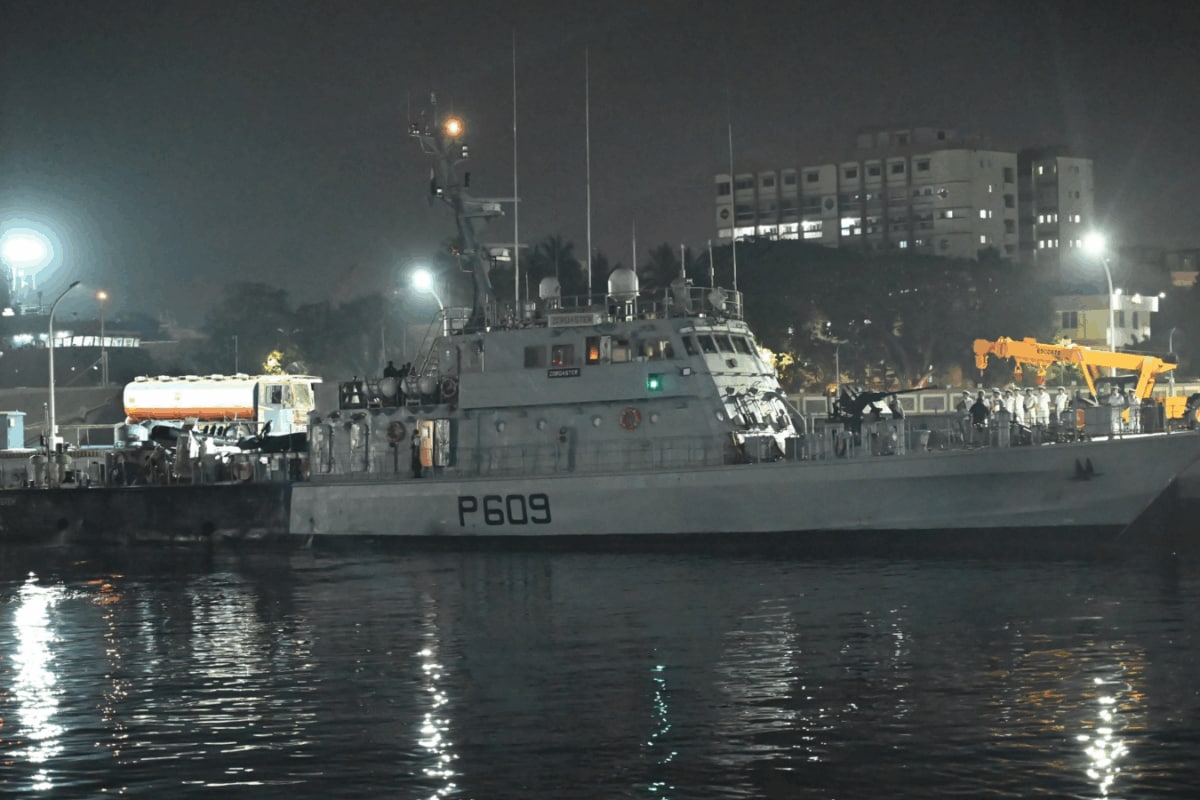
How Seychelles Fits Into India's Maritime Defence Strategy Written By, Last Updated: June 29, 2026, 11:45 IST India's investment in Seychelles' monitoring infrastructure grew out of the anti-piracy operations that ran through the late 2000s and early 2010s. Rapid Read The Sunrise Command of the Indian Navy extends a warm welcome to PS Zoroaster of Seychelles Coast Guard. (Image: X/Eastern Naval Command) Seychelles is easy to miss on a map. A scatter of 115 islands in the Western Indian Ocean, with a tiny land area. But the islands sit across shipping routes that connect East Africa, West Asia and the Indo-Pacific, the same corridors that carry Gulf oil and Asian cargo westward every day. Its Exclusive Economic Zone runs past 1.3 million square kilometres. Whoever helps Seychelles watch that space has eyes on some very important water. Modi flew to Victoria on June 27 for a three-day state visit. He addressed the Assembly, attended the Golden Jubilee celebrations, and left behind enough defence equipment to make a meaningful difference to the Seychelles People’s Defence Forces. The visit was the first by an Indian prime minister in eleven years, and it came at a moment when the Indian Ocean is getting crowded. China now runs a military base out of Djibouti and has put money into ports from the northern Indian Ocean to Gwadar. India has been watching that and adjusting accordingly. That adjustment has not been about matching China port for port. India has instead focused on building local capability in partner nations, extending maritime domain awareness and creating long-term interoperability rather than military dependence. Seychelles is one of the clearest examples of that approach in practice, which is why the defence transfers from Modi’s visit matter beyond the bilateral relationship. What India Handed Over The equipment transferred during the visit reflects the model India has followed in Seychelles for years: build local maritime capability rather than create military dependence. Every platform handed over strengthens Seychelles’ ability to monitor its own waters while reinforcing India’s wider maritime security architecture. India gifted an indigenously built fast patrol vessel, 10 utility vehicles and five Laser Radial class boats to the Seychelles Defence Force, announced the completion of refit of PS Zoroaster for the Seychelles Coast Guard, and the upgrade of a Dornier aircraft with a glass cockpit.
The patrol vessel fills a real operational gap. The Seychelles Coast Guard has always been undersized for the zone it is supposed to cover. Interdiction, anti-poaching, search and rescue across 1.3 million square kilometres is not something a handful of ageing boats can handle. For India, helping Seychelles patrol that vast EEZ also means a trusted partner is able to maintain a stronger security presence across one of the busiest stretches of the western Indian Ocean. India has been quietly keeping that fleet functional for years, replacing vessels when they age out rather than arriving once with something shiny and disappearing. Modi said it directly during the bilateral: “It is our firm belief that the defence and security of India and Seychelles are inextricably linked." The Dornier upgrade is worth understanding properly. Seychelles already operates two Dornier maritime surveillance aircraft that India gifted over the years. Both have been flying missions against smuggling and other threats at sea. Rather than replacing them, India upgraded the cockpit avionics. The crews keep flying aircraft they know, the platforms stay in service longer, and Seychelles remains a working part of the surveillance network India has been piecing together across the Indian Ocean. The PS Zoroaster story is the most telling of the lot. Earlier this year the vessel sailed to India, joined Exercise MILAN and the International Fleet Review at Visakhapatnam, then went into refit at Garden Reach Shipbuilders in Kolkata. It was not dispatched for maintenance. It was put to work in a major multilateral naval exercise before the spanners came out. That is exactly the kind of operational integration India wants from its maritime partners. The Surveillance Architecture The vessels and aircraft get the attention. The radar network is quieter but probably more important. If the patrol vessels build presence, the surveillance network builds awareness; it is the foundation of India’s maritime strategy in the Indian Ocean. Six Coastal Surveillance Radar Systems that India installed in 2015 are being repaired and upgraded. These stations watch vessel movements across Seychellois waters in real time. Suspicious traffic gets flagged. Commercial shipping gets tracked. When something needs intercepting, the coast guard has an actual picture to work from rather than going in blind. India built similar networks in Mauritius, Sri Lanka and the Maldives.
 The BriefWire