Will Mojtaba Khamenei be seen in public for the first time at his father's funeral?
More than four months after the US and Israeli airstrike killed Iran's Supreme Leader Ayatollah Ali Khamenei, the Islamic Republic is preparing an elaborate state
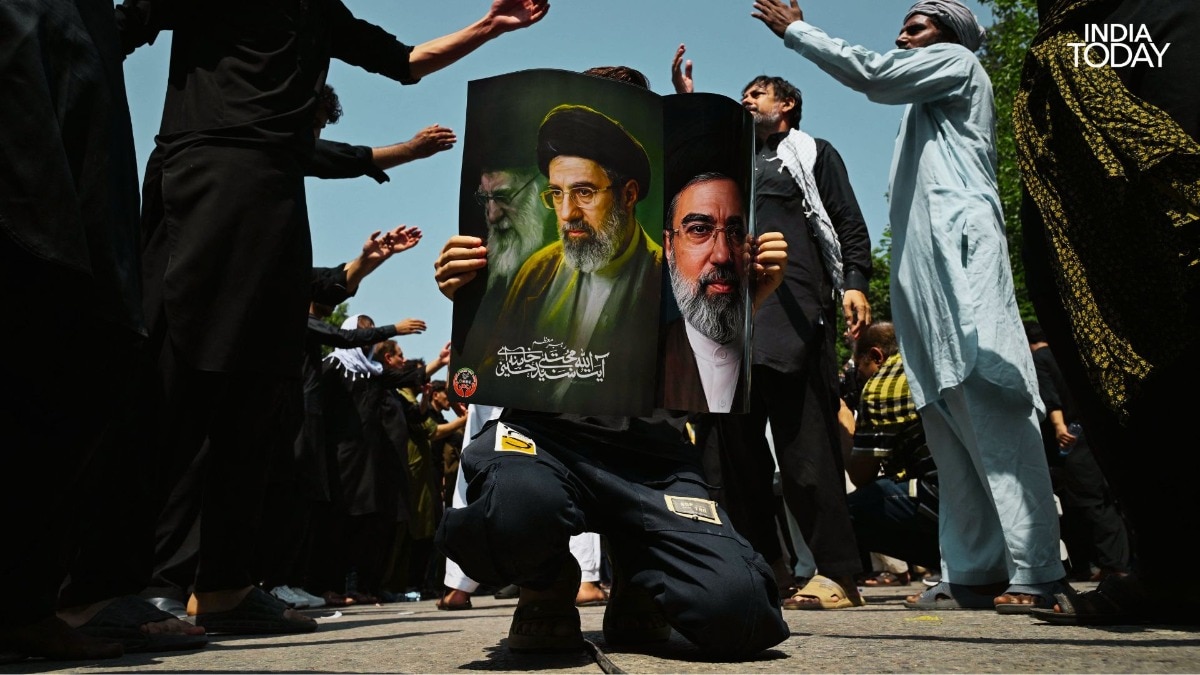
More than four months after the US and Israeli airstrike killed Iran's Supreme Leader Ayatollah Ali Khamenei, the Islamic Republic is preparing an elaborate state funeral for the man who ruled for decades. Ceremonies are scheduled to begin in Tehran on July 4, with processions in Qom, visits to holy sites in Iraq, and burial in Mashhad on July 9. As the nation gears up for what officials promise will be a massive display of mourning, all eyes are on one man who has been almost entirely invisible — Mojtaba Khamenei, Ali's son and the country's new Supreme Leader. Read Full Story Mojtaba Khamenei, 56, was injured in the same February 28 airstrike on the supreme leader's compound in central Tehran that killed his father and several senior officials. Iranian state media and officials have confirmed he suffered significant injuries, including severe facial disfigurement and leg wounds. He has not appeared in public, on video, or in any audio recording since assuming the role of Supreme Leader shortly after his father's death. Instead, all statements attributed to him have been read out by news anchors on state television or state media websites. These messages have been carefully calibrated to project continuity and resolve amid the war with Israel and the United States. In his first public message in mid-March, read on state TV, Mojtaba Khamenei vowed to maintain pressure on Iran's enemies.
He emphasised that Iran "does not want war" but "will not renounce legitimate rights", pledged to keep blocking the Strait of Hormuz, and warned that attacks on US bases in the region could continue if necessary. He called for national unity and thanked Iran’s fighters. Subsequent statements have followed a similar pattern. In April, he was quoted as saying Iran would move management of the Strait of Hormuz into a "new phase", reiterated that the country "will not forfeit its rights", and described all resistance fronts as a "unified entity". Another message around the same time stressed friendship with neighbours while maintaining threats against bases hosting US forces. In later communications, including one tied to the Persian Gulf Day, he called for continued demonstrations and unity even during periods of ceasefire. Officials have repeatedly assured the public that he remains mentally sharp, participates in key decisions via audio links, and is recovering. Despite these reassurances, his prolonged absence has fuelled speculation, rumours, and even "missing person" notices posted by citizens in places like Karaj. Some hardliners justify the low profile on security grounds, citing the need to deny enemies targets or intelligence. Others point to his injuries as the primary reason. In his latest statement on Sunday, marking Iran's Judiciary Week, Mojtaba Khamenei instructed the judiciary to pursue those responsible for crimes during the June 2025 war, and the latest war that began in February.
 The BriefWire