Why A Japanese Mayor's Maternity Leave Has Divided The Country
Why A Japanese Mayor's Maternity Leave Has Divided The Country Published By, Last Updated: June 29, 2026, 09:57 IST Yawata mayor Shoko Kawata said women
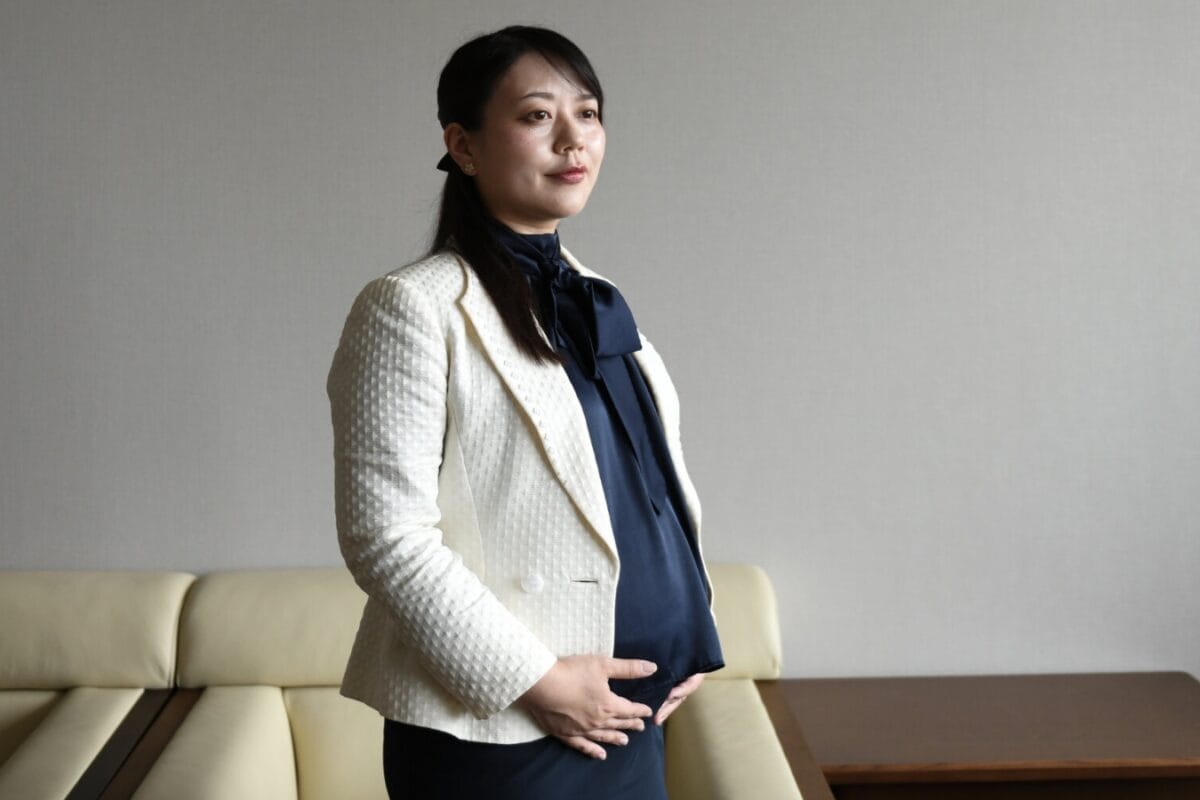
Why A Japanese Mayor's Maternity Leave Has Divided The Country Published By, Last Updated: June 29, 2026, 09:57 IST Yawata mayor Shoko Kawata said women should not have to choose between building a career and raising a family. Japan's First Mayor on Maternity Leave Is Facing Fierce Backlash. (Photo: NYT) A decision by a Japanese mayor to take maternity leave has triggered a nationwide debate over gender equality, workplace culture and the role of women in public office. Shoko Kawata, the mayor of Yawata in western Japan, has become the first mayor in the country’s history to take maternity leave. While many have praised the move as a step towards better work-life balance, others have criticised her, arguing that a mayor should not step away from office during a fixed term. The controversy has highlighted the challenges working mothers continue to face in Japan, where maternity discrimination, known as “matahara" or maternity harassment, remains a concern. Why the issue became controversial? Japan’s labour laws provide maternity leave for ordinary employees. However, elected public officials such as mayors are not covered by the same framework. As a result, Yawata city had to create a special arrangement for Kawata’s absence, making her decision a symbolic issue rather than a personal one.
The debate has centred on whether political leadership in Japan can accommodate pregnancy and childbirth. Kawata announced in May that she would take about two months of leave before the birth of her first child, expected in mid-September, and another two months after delivery. A deputy will handle day-to-day administration while she remains involved in major decisions. Supporters call it a step forward Many residents welcomed Kawata’s announcement, presenting her with gifts including crocheted baby shoes and ceremonial rocks. Kawata said women should not have to choose between building a career and raising a family. “I somehow realised for the first time just how much discrimination still exists," she said. Supporters argue that the criticism reflects Japan’s wider problem of maternity harassment, where women often fear taking leave because it could affect their careers. Kyoko Morisawa, mayor of Tokyo’s Shinagawa City, said Japan needed more young mothers in public life, particularly as the country faces a rapidly declining population. “We should do more to support child-raising as a society," she said. “Taking leave should not be news." Residents of Yawata also praised Kawata for setting an example. Toshiko Nakamura, 81, said Japan needed more support for parents balancing work and family life.
 The BriefWire