'A Train Wreck’: The Four Chaotic Days In Washington That Led To Surprise Israel-Lebanon Deal
'A Train Wreck’: The Four Chaotic Days In Washington That Led To Surprise Israel-Lebanon Deal Written By, Last Updated: June 29, 2026, 09:14 IST Secretary
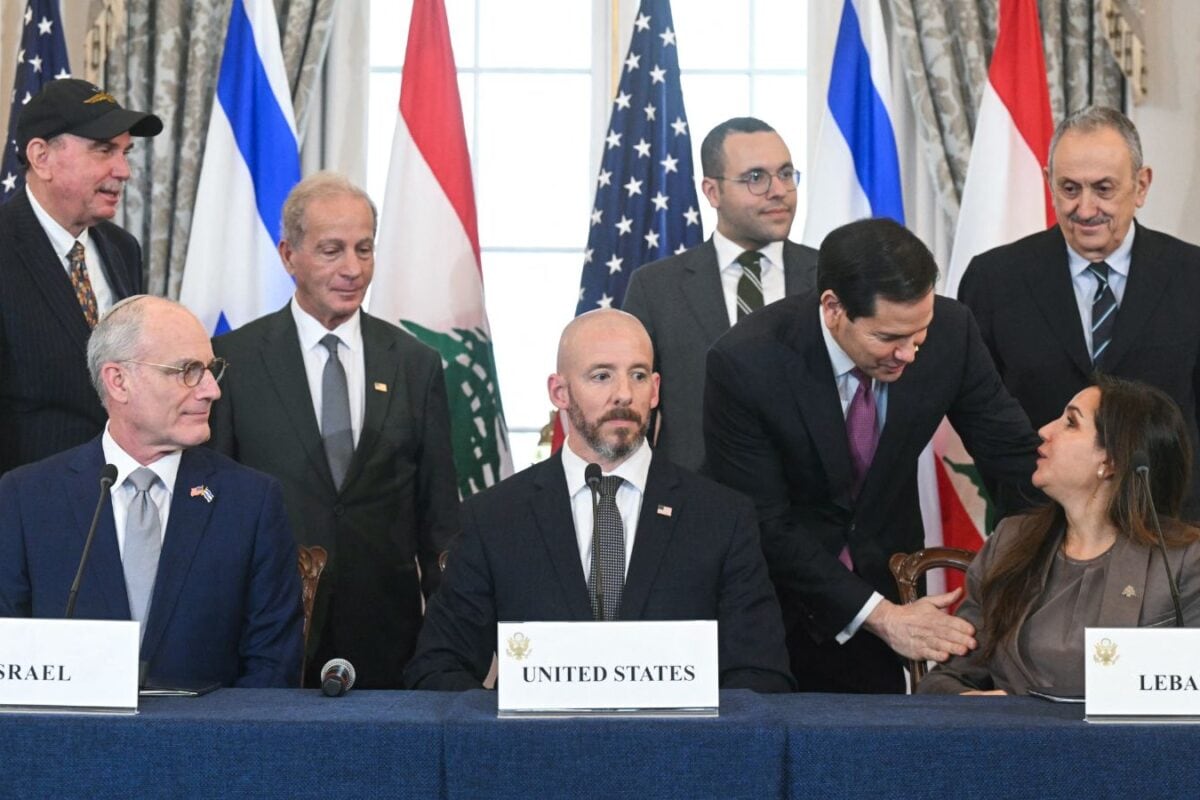
'A Train Wreck’: The Four Chaotic Days In Washington That Led To Surprise Israel-Lebanon Deal Written By, Last Updated: June 29, 2026, 09:14 IST Secretary of State Marco Rubio and his team effectively became the deal’s architects, shuttling constantly between Israeli and Lebanese officials Rapid Read US Secretary of State Marco Rubio shakes hands with Lebanese Ambassador to the US Nada Hamadeh as Israeli Ambassador to the US Yechiel Leiter and State Department Chief of Staff Daniel Holler look on during a signing ceremony. (AFP) It was supposed to be a diplomatic breakthrough. Instead, the first day descended into what one senior US official would later describe, with little hesitation, as “a train wreck". The Israelis arrived armed with a detailed playbook and a long list of demands. The Lebanese delegation looked rattled almost from the moment negotiations began. American mediators watched as conversations repeatedly broke down, frustrations mounted and hopes of a deal seemed to evaporate within hours. “The Lebanese were on their heels," a US official recalled to Axios, describing a delegation that struggled to keep pace with an Israeli team that appeared better prepared and more aggressive. ALSO READ | Days After Signing US-Backed Peace Agreement, Israel Renews Attacks On Lebanon</strong> By the end of Day One, some inside the room wondered whether the entire exercise had been a mistake. Four days later, the same delegations walked away with what US officials are calling the most significant political understanding between Israel and Lebanon in more than four decades.
So, what changed? When America Realised It Had A Problem According to Axios, Washington quickly understood that leaving the two sides to negotiate conventionally would only deepen the deadlock. The Lebanese delegation kept reacting rather than negotiating. The Israelis, sensing the imbalance, continued pressing their advantage. American officials feared the talks would collapse before they had even found common ground. So, they changed the rules. Secretary of State Marco Rubio and his team effectively became the deal’s architects, shuttling constantly between Israeli and Lebanese officials, redrafting proposals, narrowing disagreements and, at times, delivering uncomfortable messages to both sides. Put simply, the Americans weren’t merely facilitating the talks anymore. They were keeping them alive. What Kept Everyone From Walking Away? The irony is that the negotiations weren’t driven by growing trust between Israel and Lebanon. They were driven by a shared fear. For Israel, the recent confrontation with Iran had created what officials believed was a once-in-a-generation opportunity to permanently weaken Hezbollah, Tehran’s most powerful regional proxy. For Lebanon’s leadership, the calculation was different, but it pointed in the same direction. ALSO READ | ‘Israel Only Wants Permanent War’: Iran’s Araghchi After Ben Gvir’s ‘Lebanon Must Burn’ Remark Years of economic collapse, political paralysis and Hezbollah’s overwhelming influence had left the Lebanese state weaker than ever. Officials believed they finally had an opportunity to reclaim authority, with American backing. For perhaps the first time in decades, both governments wanted Hezbollah’s influence reduced.
 The BriefWire