Fight, Ceasefire, Repeat: US-Iran Conflict's Four-Month Timeline Of War And Truce
Fight, Ceasefire, Repeat: US-Iran Conflict's Four-Month Timeline Of War And Truce Published By, Last Updated: June 29, 2026, 08:34 IST Since US and Israel launched
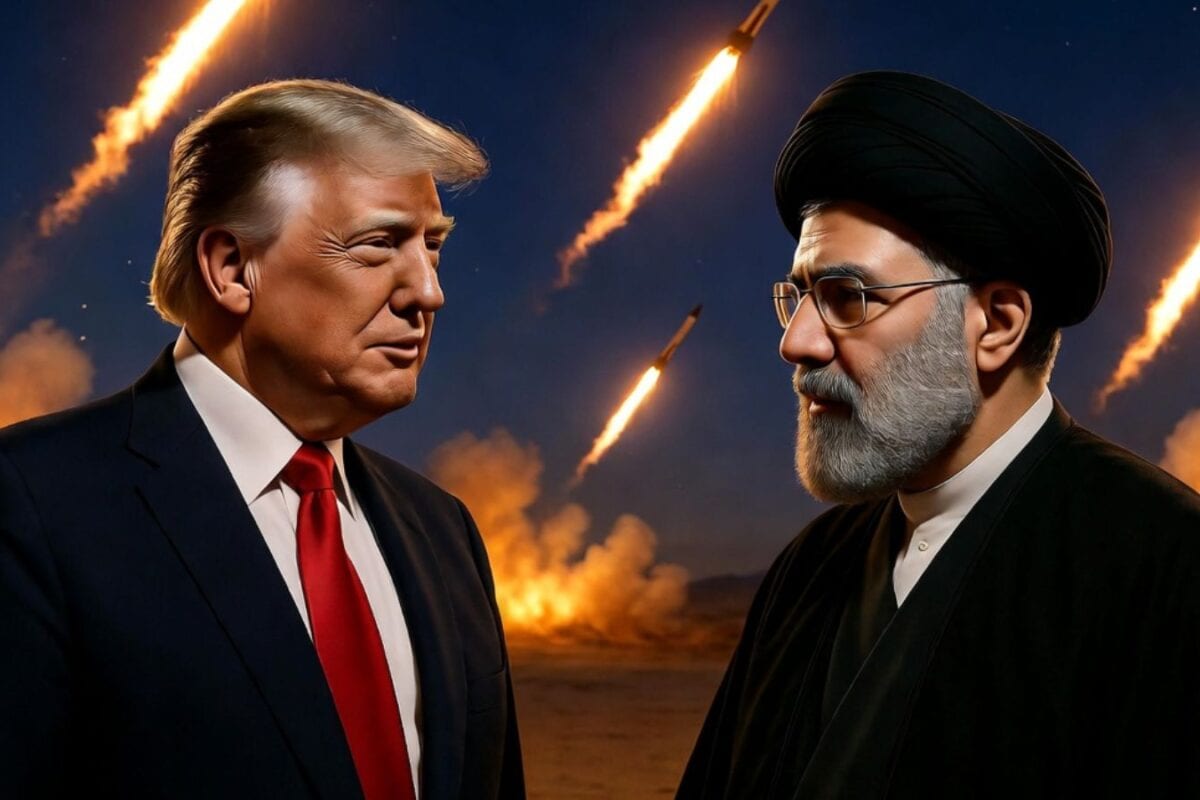
Fight, Ceasefire, Repeat: US-Iran Conflict's Four-Month Timeline Of War And Truce Published By, Last Updated: June 29, 2026, 08:34 IST Since US and Israel launched strikes on Iran on February 28, the crisis has followed a familiar pattern - escalation, retaliation, diplomacy, ceasefire and renewed confrontation. US and Iran have announced yet another ceasefire, with talks scheduled in Qatar. (AI-generated photo) Just when it appeared that the United States and Iran had stepped back from the brink, fresh tensions once again exposed how fragile peace remains in West Asia. The latest ceasefire announcement, following Iran’s retaliatory strike on the Al Udeid air base in Qatar and renewed diplomatic efforts led by Doha, has offered temporary relief to a region that has spent months oscillating between open conflict and uneasy pauses. Read More: US, Iran Agree To Halt Attacks After Days Of Escalation, Hold Strait Of Hormuz Talks In Qatar But the current truce is far from the first. Since the US and Israel launched military strikes on Iran on February 28, the crisis has followed a familiar pattern – escalation, retaliation, diplomacy, ceasefire and then renewed confrontation. Even during periods officially described as ceasefires, attacks on shipping routes, proxy groups and military assets have continued to threaten regional stability. Here’s a look at how the conflict has unfolded over the past four months. February 28: Conflict Breaks Into the Open The current phase of the US-Iran confrontation began when the United States, alongside Israel, launched coordinated strikes targeting Iranian military and strategic facilities. Iran responded within hours, firing missiles and deploying drones against Israeli positions and US-linked targets across the region, marking one of the most direct military confrontations between the two sides in recent years.
March: Retaliation Expands Across the Region As March progressed, Iran widened its response beyond Israel. American military installations in the Gulf increasingly came under attack, while Iranian-backed groups stepped up operations against US interests across West Asia. The Strait of Hormuz, one of the world’s busiest oil shipping routes, also emerged as a major flashpoint, raising fears of disruptions to global energy supplies. With casualties mounting and regional tensions soaring, concerns grew that the conflict could spiral into a much larger regional war. April 7-8: First Ceasefire Announcement After weeks of sustained fighting, US President Donald Trump announced what he described as a two-week ceasefire. Iran later confirmed that mediation efforts had produced a temporary halt in large-scale hostilities. While major attacks subsided, neither side declared an end to military operations, leaving the ceasefire inherently fragile. April 11-12: Direct Talks Fail to Deliver Lasting Peace Officials from US and Iran met in Islamabad in an attempt to extend the ceasefire and establish a more durable framework for de-escalation. Although both sides remained engaged diplomatically, the talks ended without a comprehensive agreement, leaving several core disputes unresolved. Late April-Early May: Uneasy Calm Gives Way to Fresh Tensions While large-scale fighting remained limited, tensions never fully disappeared. The United States intensified efforts to restrict Iranian maritime activity, while Tehran maintained pressure around the Strait of Hormuz through naval manoeuvres and indirect actions. Both sides accused each other of violating the spirit of the ceasefire. May 4-11: Strait of Hormuz Becomes The Main Flashpoint By early May, clashes around the strategically vital Strait of Hormuz once again tested the fragile truce. Following renewed incidents at sea, Trump temporarily paused a US maritime security mission as negotiations continued.
 The BriefWire