Bengal likely to table UCC Bill today; BJP, divided TMC brace for first showdown
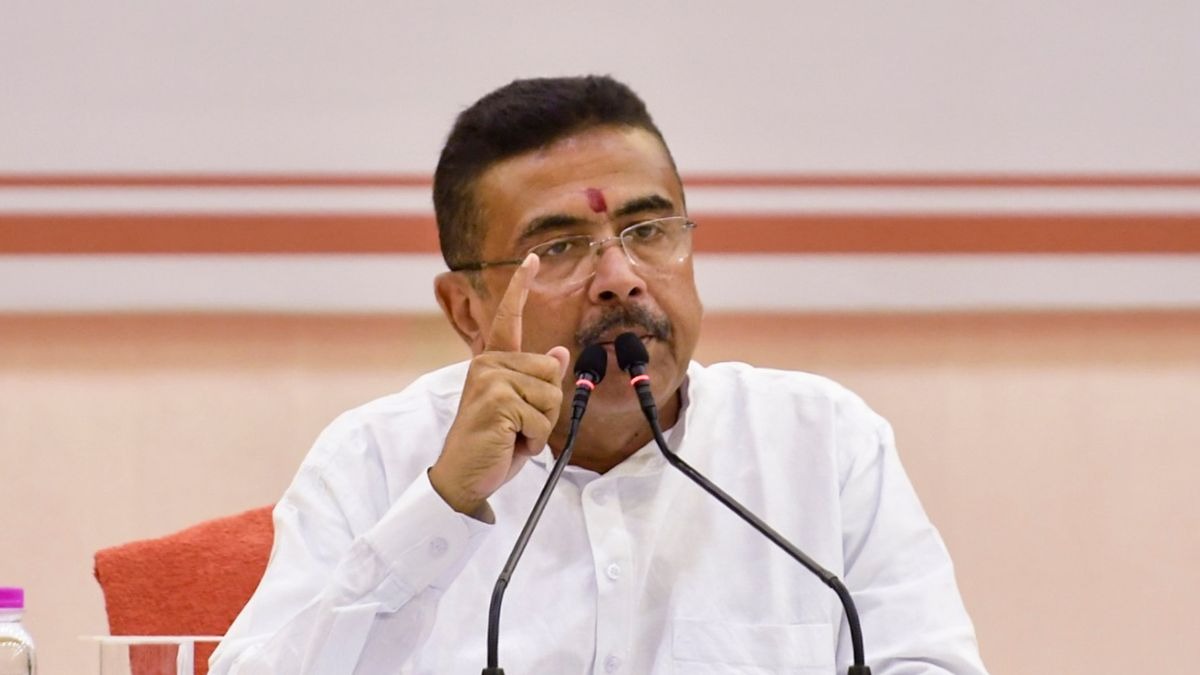
The Suvendu Adhikari government is likely to table the Uniform Civil Code (UCC) Bill in the Assembly on Monday, barely two months after the BJP
The Suvendu Adhikari government is likely to table the Uniform Civil Code (UCC) Bill in the Assembly on Monday, barely two months after the BJP ended the Trinamool Congress's 15-year rule in West Bengal. The proposed legislation is set to trigger the first major ideological clash with both factions of the TMC, which split into rival camps following the 2026 Assembly election results, and is expected to dominate the ongoing Budget session. Read Full Story The Bill seeks to create a common civil framework for marriage, divorce, succession, inheritance and adoption across religions. For the BJP, it is the delivery of a key election promise and a restatement of its long-held stand that all citizens should be governed by one set of civil laws. For the opposition, it has raised questions about constitutional safeguards, social consensus and whether a change affecting different communities can be carried out without wider consultation. The move comes well before the si month deadline set by the BJP in its Sankalp Patra ahead of the Assembly elections. While releasing the manifesto, Union Home Minister Amit Shah had said a BJP government in West Bengal would implement the UCC within six months of taking office, presenting it as a step to ensure equality before the law regardless of faith. The proposed law would replace personal laws in matters such as marriage, divorce, succession, inheritance and adoption with a common legal structure for all citizens, while keeping constitutional exemptions for certain groups.
On Friday, Suvendu Adhikari gave the strongest signal yet that the government planned to proceed with the legislation during the current session. “The way it (UCC) was implemented in Gujarat, Uttarakhand and Assam by following a procedure. Similarly, it will be implemented in West Bengal. I will inform the Assembly on Monday,” he said. His remarks pointed to the government's intention to move quickly on one of its central campaign commitments and shape West Bengal's framework on the lines of systems adopted in other BJP-ruled states. His stress on procedure also appeared to respond to criticism from opponents who have said a reform with wide social and legal effects should follow extensive consultation. UCC'S FIRST POLITICAL TEST Ahead of the Bill's introduction, state BJP president Samik Bhattacharya sought to address one of the main concerns around the proposal, saying constitutionally protected tribal communities would remain outside its scope. “The BJP's position on the UCC is longstanding and unequivocal. It is part of our political commitment and election manifesto,” Bhattacharya said in a social media post on Saturday. The Bengal BJP chief pointed out that members of Scheduled Tribes recognised under Articles 366(25) and 342 of the Constitution would remain exempt from the proposed law, and that their customs, traditions and special rights would continue to be protected. Bhattacharya also rejected claims that the legislation was linked to family-size regulation, saying such provisions were “neither the objective nor a part of the UCC.” The government has presented the Bill as a governance measure based on constitutional principles, arguing that a uniform set of civil laws would strengthen legal equality and remove disparities created by religion-based personal laws.
 The BriefWire