One Clause, Two Readings? How Article 5 Of US-Iran Peace Deal Is Fueling Fresh Tensions Over Hormuz
One Clause, Two Readings? How Article 5 Of US-Iran Peace Deal Is Fueling Fresh Tensions Over Hormuz Published By, Last Updated: June 28, 2026, 23:42
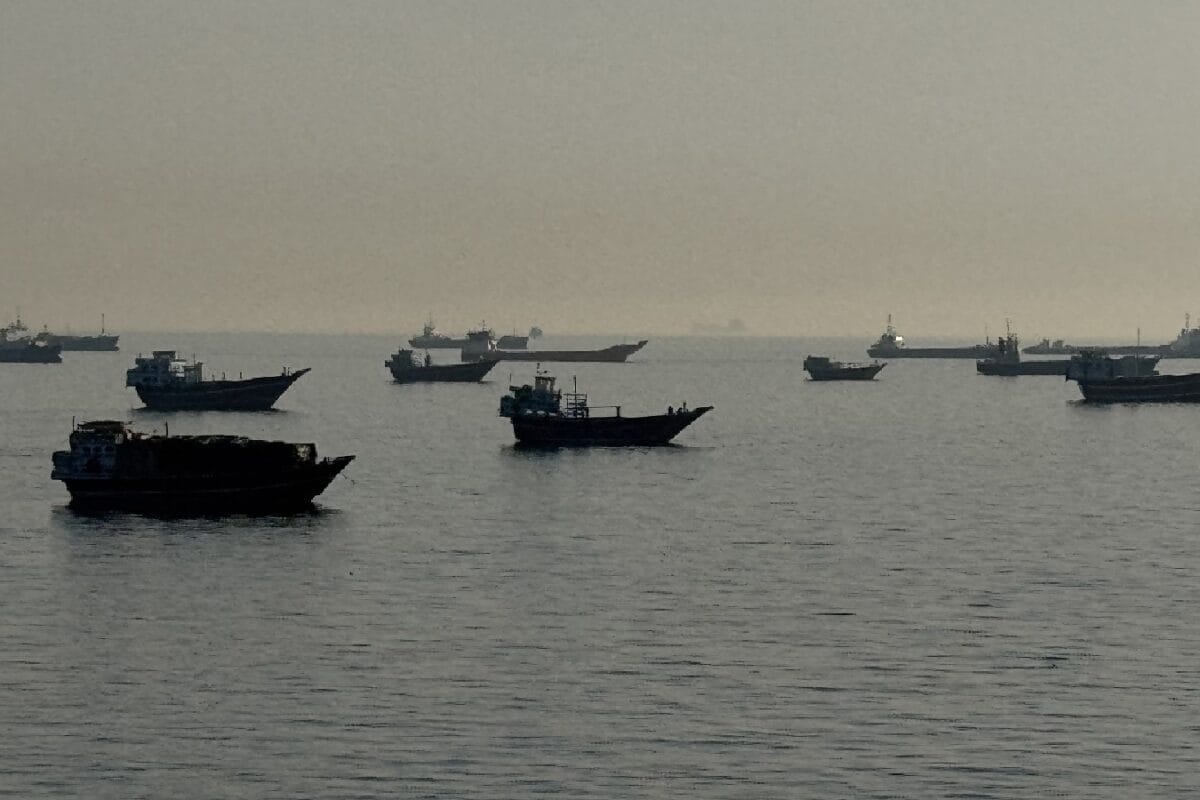
One Clause, Two Readings? How Article 5 Of US-Iran Peace Deal Is Fueling Fresh Tensions Over Hormuz Published By, Last Updated: June 28, 2026, 23:42 IST At the centre of the latest exchange of strikes is Article 5 of the US-Iran memorandum of understanding (MoU), a clause that both sides appear to interpret differently. Rapid Read Vessels are seen anchored in the Strait of Hormuz, off the port city of Khasab on Oman’s northern Musandam Peninsula on May 17, 2026. (IMAGE: REUTERS) Barely two weeks after Washington and Tehran signed a fragile peace memorandum, the agreement is already facing its first major test. At the centre of the latest exchange of strikes is Article 5 of the US-Iran memorandum of understanding (MoU), a clause that both sides appear to interpret differently when it comes to the administration and security of the Strait of Hormuz. The disagreement has reignited tensions over one of the world’s most strategically important waterways, with analysts warning that differing interpretations of the agreement could undermine the ceasefire before the 60-day implementation period ends. What Does Article 5 Say? The fifth article of the MoU requires Iran to facilitate the reopening of the Strait of Hormuz and ensure the safe passage of commercial shipping after months of disruption. It states: “Upon the signing of this MOU, the Islamic Republic of Iran will make arrangements using its best efforts for the safe passage of commercial vessels with no charge, for 60 days only, from the Persian Gulf to the Sea of Oman and vice versa." The agreement also requires Iran to remove technical and military obstacles, complete demining operations within 30 days, and immediately resume commercial traffic through the waterway.
However, the final portion of Article 5 has emerged as the principal source of disagreement. It states that Iran will hold discussions with Oman and other Gulf littoral states to determine the future administration and maritime services in the Strait of Hormuz, “in line with the applicable international law and the sovereign rights of coastal states." While Tehran interprets this as recognising Iran’s primary authority over the strait during the transition period, Washington has pushed for broader coordination involving Oman and international maritime agencies to safeguard shipping. Why Have Tensions Flared Again? The latest escalation began on Friday after a commercial vessel transiting the Strait of Hormuz was struck by a projectile. Although Iran did not claim responsibility for the attack, the United States responded by carrying out strikes on Iranian positions, accusing Tehran of threatening freedom of navigation through the waterway. The exchange marked the first direct military confrontation between the two sides since the MoU was signed earlier this month. Control of the Strait of Hormuz has remained one of the biggest sticking points throughout the negotiations. While the agreement calls for the resumption of commercial shipping, Iran has continued to insist that any future administration of the waterway must recognise its sovereign role. Tehran has also floated the idea of levying transit charges on vessels using the strait, a proposal firmly rejected by the United States and Gulf countries, whose energy exports depend heavily on the route. What Are Experts Saying? Political analysts and maritime experts say the renewed tensions stem less from the wording of Article 5 itself than from the sharply different interpretations being advanced by Washington and Tehran.
 The BriefWire