Where Earthquakes Hit Most: The World's Most Active Seismic Belts
Where Earthquakes Hit Most: The World's Most Active Seismic Belts Published By, Last Updated: June 28, 2026, 20:29 IST Earthquakes worldwide, from Venezuela to Japan
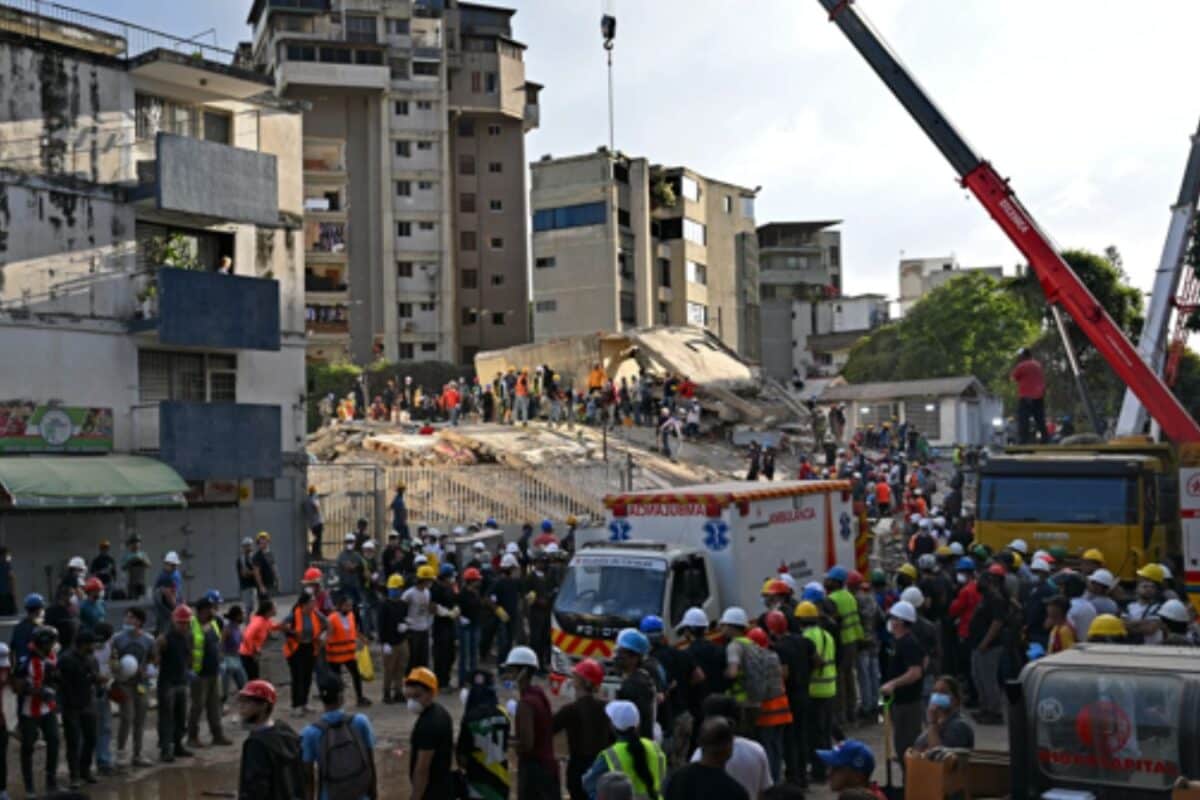
Where Earthquakes Hit Most: The World's Most Active Seismic Belts Published By, Last Updated: June 28, 2026, 20:29 IST Earthquakes worldwide, from Venezuela to Japan and Northern California, highlight major seismic zones like the Ring of Fire, Alpide belt and Mid Atlantic Ridge. Emergency personnel, paramedics and rescuers gather at the site of a collapsed building, following twin earthquakes, in San Bernardino neighbourhood, in Caracas. (Image: AFP) From twin tremors in Venezuela to separate quakes in Pakistan, Afghanistan, Japan and Northern California — a series of powerful earthquakes struck different parts of the world in the past week. The quakes can strike any location at any time, but they are principally in three large zones. Where Do Earthquakes Occur? Ring of Fire Nicknamed “Ring of Fire", the world’s greatest earthquake belt, the circum-Pacific seismic belt, is found along the rim of the Pacific Ocean, where about 81% of the largest earthquakes occur.
According to USGS, the belt exists along boundaries of tectonic plates, where plates of mostly oceanic crust are sinking (or subducting) beneath another plate. The belt follows chains of island arcs such as Tonga and Vanuatu, the Indonesian archipelago, the Philippines, Japan, the Kuril Islands, and the Aleutians, as well as other arc-shaped features, such as the western coast of North America and the Andes Mountains, according to Britannica. The Ring of Fire has been known for setting several of the largest earthquakes in recorded history, including the Chile earthquake of 1960, the Alaska earthquake of 1964, the Chile earthquake of 2010, and the Japan earthquake of 2011, as well as the earthquake that produced the devastating Indian Ocean tsunami of 2004. Alpide earthquake belt This belt extends from Java to Sumatra through the Himalayas, the Mediterranean, and out into the Atlantic.
According to USGS, it accounts for about 17 per cent of the world’s largest earthquakes, including some of the most destructive, such as the 2005 M7.6 shock in Pakistan that killed over 80,000 and the 2004 M9.1 Indonesia earthquake, which generated a tsunami that killed over 230,000 people. Mid-Atlantic Ridge A submarine ridge lying along the north-south axis of the Atlantic Ocean, the Mid-Atlantic Ridge is an immensely long mountain chain extending for about 16,000 km in a curving path from the Arctic Ocean to near the southern tip of Africa. According to USGS, most of the ridge is deep underwater and far from human development, but Iceland, which sits directly over the Mid-Atlantic Ridge, has experienced earthquakes as large as at least M6.9.
 The BriefWire