Will Germany impose an age limit for social media?
A quarter of German youth spend too much time on social media, with 350,000 considered to have an addiction problem. Education Minister Karin Prien is
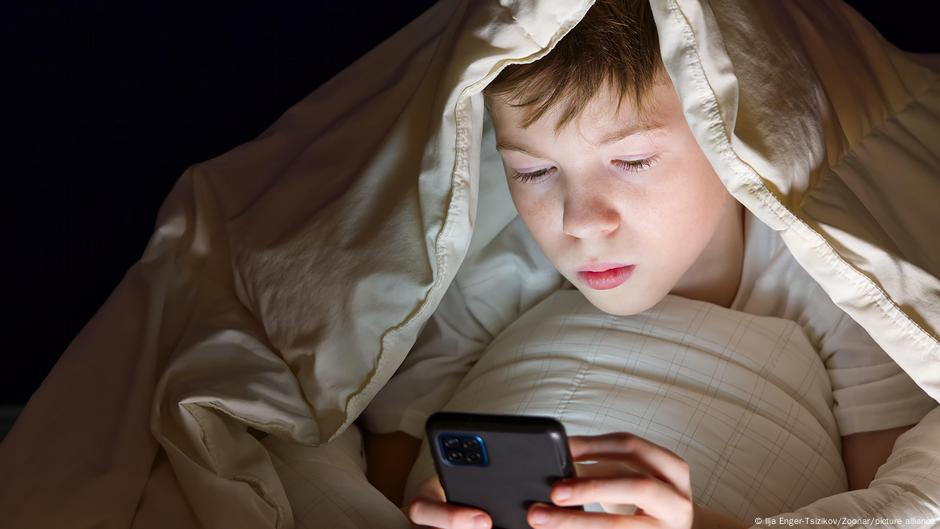
A quarter of German youth spend too much time on social media, with 350,000 considered to have an addiction problem. Education Minister Karin Prien is advocating for a legal minimum age of 13. Leni realized two years ago that she was on her smartphone far too much. She seldom left her room to chat with her parents, stopped going out on weekends and found she would sometimes spend 10 hours a day on TikTok and YouTube. "I noticed that I had really neglected school and did not study nearly as much as I used to," the now 18-year-old told DW. "I began monitoring the time I spent consuming media on my phone, putting my device away more often and no longer canceling plans to meet up with my friends in favor of just staying on my phone. Now, on average, I spend about five hours a day consuming media." Leni's situation is daily life for a large proportion of teenagers growing up in Germany. According to recent OECD findings, 15-year-olds in Germany spend about 48 hours per week in front of a screen — an average of about seven hours per day. Compared with 36 other countries, Germany ranks fifth highest for screen time, just behind Poland and Estonia. Another study by German health insurance provider DAK showed that 1.5 million young people in Germany use social media to a problematic extent, and of these about a quarter, 350,000, are considered addicted. Why we — literally — lose time on social media To view this video please enable JavaScript, and consider upgrading to a web browser that supports HTML5 video These startling statistics have spurred repeated calls for a social media ban for young people in Germany.
It would follow the example of Australia, which in December was the first country to ban social media use for children under 16. Leni thinks it's a good idea. "It would protect children and young people a little bit more. I have noticed that there are things on TikTok, Instagram and YouTube which not regulated at all," she said. Expert commission calls for stronger controls for online platforms Earlier this week, an independent expert commission released eagerly anticipated suggestions on how to better protect children and youth in the digital world. "We are seeing how digital media radicalizes our democratic discourse and influences the development of children and young people. We see that screen time is increasing. And we see that children and teenagers often suffer from addiction," said Nadine Schön, co-chair of the commission. "We want the platforms to be more accountable, so that they enable participation but also offer more protection than they have so far, for example with age verification." Key points from the commission's 56 recommendations Platforms and providers should be held more accountable for their content Safer default settings for minors, along with age-appropriate offerings Clear and simple ways to report problematic content Parental responsibility for digital education should be enshrined in law. Smartphone use to be banned in schools until seventh grade, when children are about 12-13 years old Education Minister Prien, of the conservative Christian Democratic Union party (CDU), has also advocated for an age limit, preferably to be set by the European Union. "The proposal of a legal minimum age of 13 years for the independent use of social media is the right way forward," she said, also calling for effective age verification and phased safeguards for youth until the age of 18.
 The BriefWire