The Ghost Of Gijon Returned — And This Time, Iran Were The Ones Left Heartbroken
The Ghost Of Gijon Returned — And This Time, Iran Were The Ones Left Heartbroken Written By, Last Updated: June 28, 2026, 09:48 IST 44
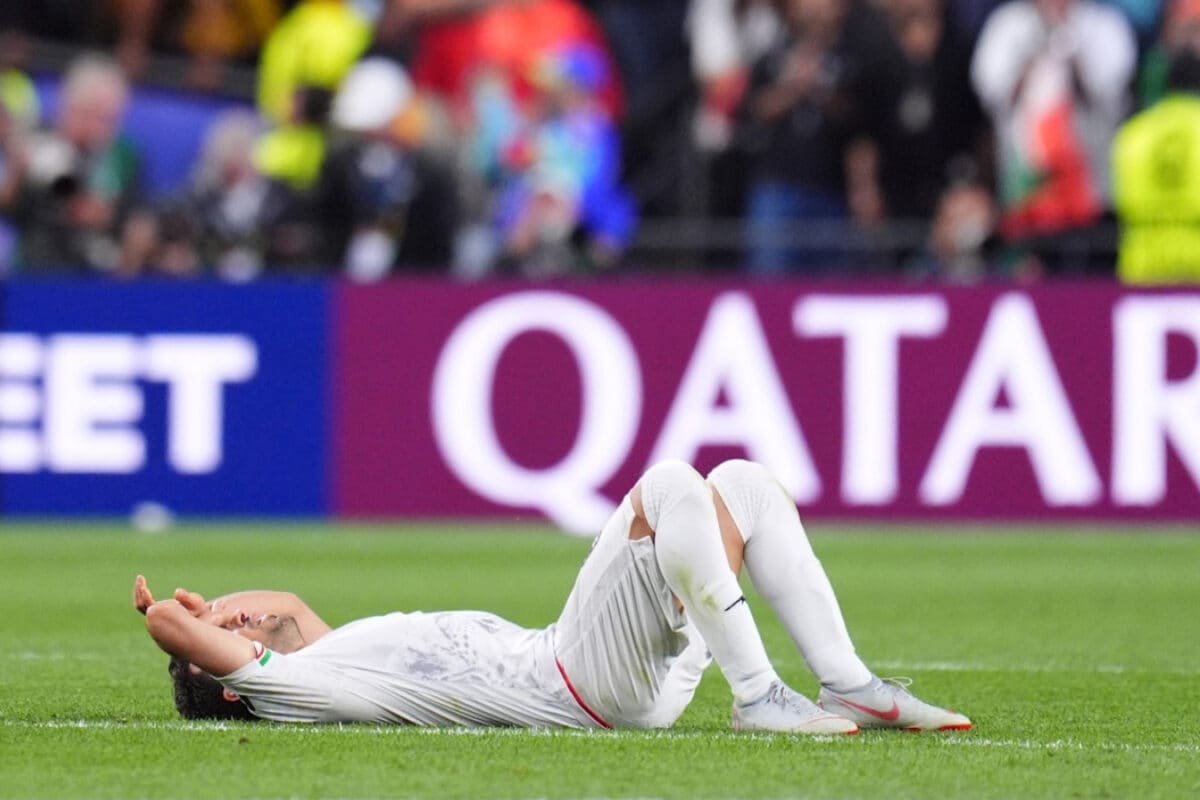
The Ghost Of Gijon Returned — And This Time, Iran Were The Ones Left Heartbroken Written By, Last Updated: June 28, 2026, 09:48 IST 44 years after the Disgrace of Gijon, football delivered another cruel twist. Iran's World Cup dream ended not with their own result, but with the final kick of another match. Rapid Read (Credit: AP) Football has a habit of reviving old stories when you least expect it. Forty-four years after the infamous Disgrace of Gijon changed the FIFA World Cup forever, another nation found itself on the wrong end of a result it could do absolutely nothing about. This time, it wasn’t Algeria left devastated. It was Iran. Team Melli had already endured a tournament filled with adversity. Travel restrictions, logistical challenges and an uphill battle on the pitch did little to dampen their spirit. They fought until the very last whistle. Yet, it still wasn’t enough. Iran’s World Cup Dream Slipped Away… Twice Iran’s 1-1 draw against Egypt had already felt cruel enough. First came the heartbreak in Seattle, where Team Melli thought they had found a dramatic 93rd-minute winner, only for VAR to chalk it off for offside.
Three minutes later, they rattled the crossbar with what proved to be their final opportunity to snatch automatic qualification. The tears had already begun. Then hope returned. With Iran’s fate no longer in their own hands, attention shifted to the Algeria-Austria clash. The equation was simple: if either side lost, Iran would qualify for the Round of 32. If they drew, both would advance and Iran would be eliminated. For a brief moment, it looked as though the football gods were finally smiling on Team Melli. Deep into stoppage time, Riyad Mahrez fired Algeria into a 3-2 lead: a goal that would have sent Iran through and knocked Austria out. Then fate intervened in the cruellest of ways. More than a minute beyond the allotted five minutes of stoppage time, Sasa Kalajdzic bundled home a dramatic equaliser with virtually the final kick of the match. Seconds later, the whistle blew. Austria celebrated. Algeria advanced. Iran’s World Cup was over. Football can be brutally unforgiving. The Ghost of Gijon For older football fans, the ending carried unmistakable echoes of one of the World Cup’s most infamous chapters.
The Disgrace of Gijon unfolded in 1982, when West Germany’s 1-0 victory over Austria sent both European sides into the next round while eliminating Algeria, who had completed their campaign a day earlier. The fallout was so severe that FIFA permanently changed the format, ensuring the final group-stage matches would be played simultaneously. This time, there was no controversy. No accusations of collusion. No team playing for a mutually beneficial result. Yet the cruel symmetry remained. Just as Algeria’s fate once rested in the hands of others, Iran’s World Cup dream disappeared because of a result unfolding hundreds of miles away. Their fate wasn’t decided in Seattle. It was decided with the final touch of another match. History didn’t repeat itself exactly. But it rhymed. A Campaign That Deserved More Iran will leave this World Cup wondering what might have been. A goal ruled out by VAR. A shot off the crossbar. A place in the knockout stage that slipped away with the final kick of another game. When the dust settled, Team Melli finished outside the top eight third-placed teams, their hopes of a historic Round of 32 appearance gone.
 The BriefWire