Mekedatu Row Returns: Why Karnataka Vs Tamil Nadu Dam Battle Could Become Vijay's First Big Test
Mekedatu Row Returns: Why Karnataka Vs Tamil Nadu Dam Battle Could Become Vijay's First Big Test Published By, Last Updated: May 25, 2026, 15:12 IST
Mekedatu Row Returns: Why Karnataka Vs Tamil Nadu Dam Battle Could Become Vijay's First Big Test Published By, Last Updated: May 25, 2026, 15:12 IST For Tamil Nadu politics, Cauvery is not merely a policy issue. It is tied to regional identity and the idea of protecting Tamil rights against upstream states Rapid Read Mekedatu is a proposed balancing reservoir and drinking water project planned by Karnataka across the Cauvery river near the Karnataka-Tamil Nadu border. The renewed political fight over the proposed Mekedatu dam on the Cauvery river is rapidly turning into one of the first major inter-state flashpoints for the Tamil Nadu government led by actor-turned-politician C Joseph Vijay. What began as a technical water-sharing dispute between Karnataka and Tamil Nadu has now become a political test of how Vijay balances Tamil identity politics, coalition compulsions, and relations with Congress-ruled Karnataka. The immediate trigger came after Karnataka deputy chief minister DK Shivakumar said they would soon submit a revised Detailed Project Report for the Mekedatu project and move ahead with the process. He also reportedly said Tamil Nadu had “no right" to oppose the project. The statement triggered outrage across Tamil Nadu. The DMK publicly challenged Vijay to respond firmly, asking whether his government would “counter Karnataka’s Mekedatu push".
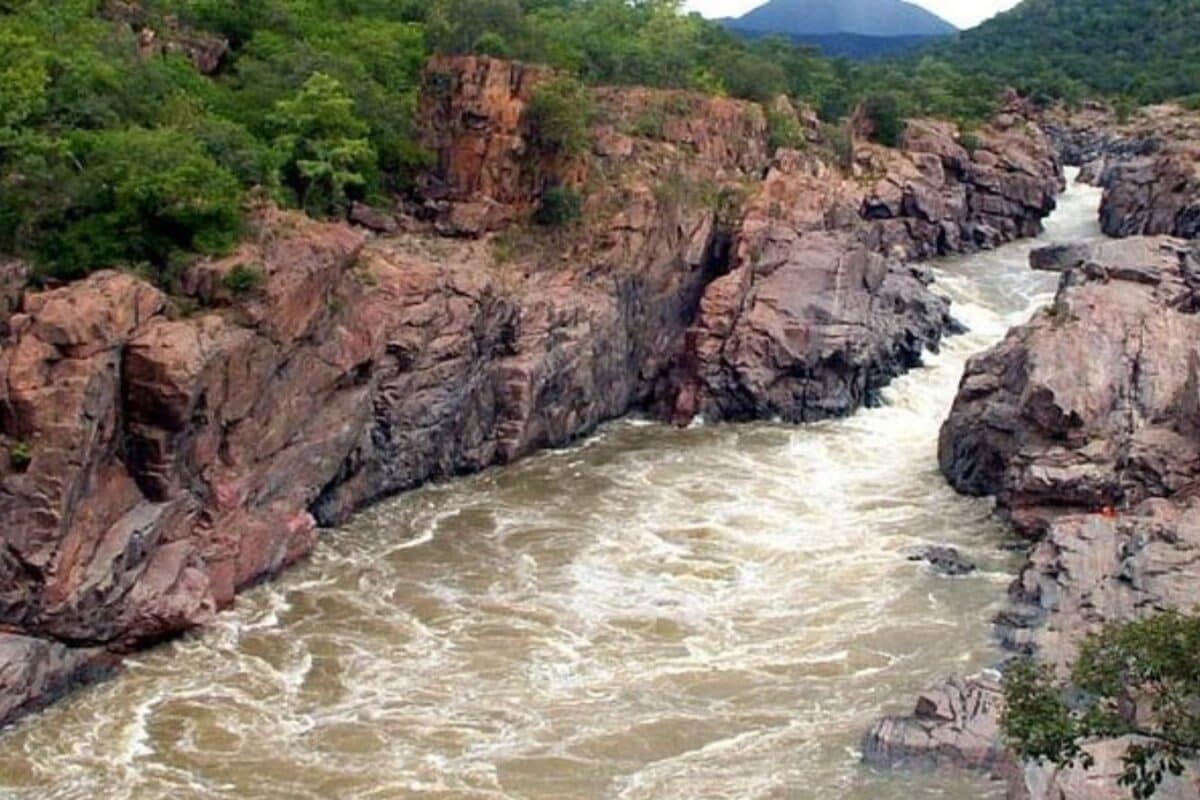
Opposition parties, including the AIADMK and PMK, also demanded clarity from the Tamil Nadu government. What Is The Mekedatu Project? Mekedatu is a proposed balancing reservoir and drinking water project planned by Karnataka across the Cauvery river near the Karnataka-Tamil Nadu border. Karnataka says the project is primarily meant to provide drinking water to Bengaluru and generate hydroelectric power. The state argues that the reservoir would help store excess monsoon water that otherwise flows into the sea. Tamil Nadu, however, sees it very differently. The fear in Tamil Nadu is that any large upstream reservoir gives Karnataka greater control over the timing and quantity of water released downstream, especially during poor monsoon years. That matters because Cauvery water is politically and economically critical for Tamil Nadu’s delta districts, agriculture, and drinking water supply systems linked to the Mettur Dam. The dispute is also tied to the much older and emotionally charged Kaveri River water dispute that has triggered protests, court battles, bandhs, and even violence over decades. Why Tamil Nadu Opposes Mekedatu So Strongly Tamil Nadu’s argument is built around both water security and legal precedent. The state says Karnataka cannot unilaterally create a major new storage structure that could alter downstream flows without approval from lower riparian states and the Cauvery management mechanisms.
Tamil parties argue the project could reduce water availability during critical agricultural seasons in the Cauvery delta. That is why even parties that are otherwise fierce rivals—DMK, AIADMK, PMK, NTK—tend to converge politically whenever Mekedatu resurfaces. For Tamil Nadu politics, Cauvery is not merely a policy issue. It is tied to regional identity and the idea of protecting Tamil rights against upstream states. Why This Puts Vijay In A Spot First, any perception that the Tamil Nadu government is weak on Cauvery issues can quickly become politically damaging. That is why the DMK immediately framed the issue as a test of whether Vijay would defend Tamil Nadu’s interests forcefully enough. Regional politics in Tamil Nadu rewards strong posturing on inter-state river disputes. This is why even opposition parties are already pressing Vijay to publicly clarify his stand. The complication also is that Congress, which rules Karnataka, is politically important to Vijay’s broader coalition arithmetic. That creates an awkward situation: Tamil Nadu Congress leaders may oppose Mekedatu locally, but the Karnataka Congress government strongly backs it. Political observers have already noted that Congress’s support for Vijay may soften political rhetoric between the states, but not eliminate Cauvery tensions themselves. In other words, Vijay has to oppose Karnataka strongly enough for Tamil Nadu voters without turning it into a direct confrontation with an allied national party.
Third, water disputes in southern India rarely stay administrative for long. The Cauvery issue carries decades of accumulated anger, farmer anxieties, court interventions, and regional mobilisation. That means Vijay cannot treat Mekedatu like a routine policy disagreement. His response will be watched symbolically, especially in delta districts where Cauvery politics has deep electoral resonance. For now, Vijay is expected to firmly oppose the project legally and politically while avoiding personal escalation against Karnataka leaders. That would allow him to protect Tamil Nadu’s traditional stand, reassure delta farmers, avoid appearing weak on Tamil rights, while also preventing a complete political rupture with Congress. News18 Newsletter Handpicked stories, in your inbox A newsletter with the best of our journalism submit First Published: May 25, 2026, 15:12 IST News explainers Mekedatu Row Returns: Why Karnataka Vs Tamil Nadu Dam Battle Could Become Vijay's First Big Test Disclaimer: Comments reflect users’ views, not News18’s. Please keep discussions respectful and constructive. Abusive, defamatory, or illegal comments will be removed. News18 may disable any comment at its discretion. By posting, you agree to our Terms of Use and Privacy Policy Loading comments...
 The BriefWire