Ceasefire Under Strain: How Tit-For-Tat Strikes Brought US, Iran Back To The Edge Of War
Ceasefire Under Strain: How Tit-For-Tat Strikes Brought US, Iran Back To The Edge Of War Published By, Last Updated: June 28, 2026, 09:00 IST A
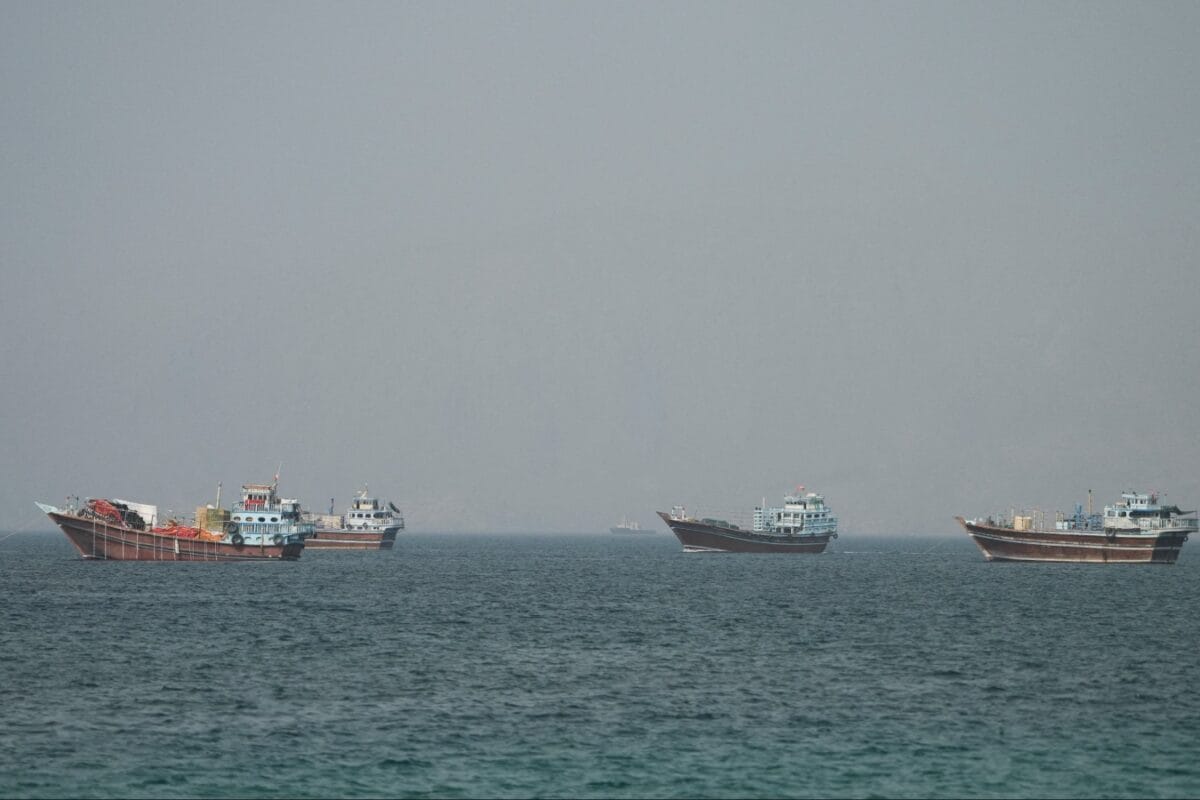
Ceasefire Under Strain: How Tit-For-Tat Strikes Brought US, Iran Back To The Edge Of War Published By, Last Updated: June 28, 2026, 09:00 IST A second tanker attack in the Strait of Hormuz triggered fresh US strikes on Iran, deepening fears that the fragile ceasefire could unravel into a wider conflict. Vessels at the Strait of Hormuz, as seen from Musandam, Oman (Photo: Reuters) The United States launched fresh military strikes against multiple Iranian targets on Saturday after Tehran was accused of attacking another oil tanker transiting the strategically vital Strait of Hormuz, marking a second straight day of military exchanges that have pushed a fragile ceasefire between the two countries to the brink. The latest escalation came after the Panama-flagged oil tanker MT Kiku, carrying more than two million barrels of crude oil, was struck by what US officials described as a one-way attack drone while passing through the Strait of Hormuz early Saturday. The vessel, which had departed a Qatari oil field earlier in the week, was headed to a port in the United Arab Emirates. No crew members were injured, and no oil spill was reported. In response, the US military said it carried out strikes on 10 Iranian military targets at the direction of President Donald Trump. US Central Command (CENTCOM) said the operation targeted Iranian surveillance infrastructure, communication systems, air defence sites, drone storage facilities and minelaying capabilities at multiple locations in and around the Strait of Hormuz.
“CENTCOM forces launched strikes today in direct response to continued Iranian aggression against commercial shipping," the command said in a statement, adding that Iran had been allowed to honour the ceasefire agreement after Friday’s military action but “elected not to." TIT-FOR-TAT ESCALATION CONTINUES The developments mirrored a similar sequence of events over the previous two days, raising fears that the conflict could rapidly spiral despite ongoing diplomatic efforts. The latest exchange follows Thursday’s drone strike on the Singapore-registered merchant vessel Ever Lovely while it was transiting the Strait of Hormuz. No casualties were reported in that attack either. The United States responded on Friday by striking Iranian military positions near the southern port of Sirik, prompting Iran to retaliate against US military installations in the region. With Saturday’s reported attack on the MT Kiku followed by another round of US airstrikes, the ceasefire reached between Washington and Tehran earlier this month appears increasingly fragile. Trump defended the latest military action, saying the United States had struck Iranian missile and drone storage locations as well as coastal radar sites because Tehran had violated the ceasefire agreement once again. In a post on Truth Social, Trump warned that the United States would continue to respond if Iran persisted with attacks, adding that there could come a point when Washington would no longer be able to remain restrained. REGIONAL TENSIONS WIDEN Iran’s Revolutionary Guard said it had targeted several locations belonging to what it described as the “US terrorist army in the region," though it did not specify where the attacks took place.
 The BriefWire