Brits Are Sweltering At 40°C. How Did They Survive India's Brutal Summers For 200 Years?
Brits Are Sweltering At 40°C. How Did They Survive India's Brutal Summers For 200 Years? Written By, Last Updated: June 27, 2026, 18:39 IST More
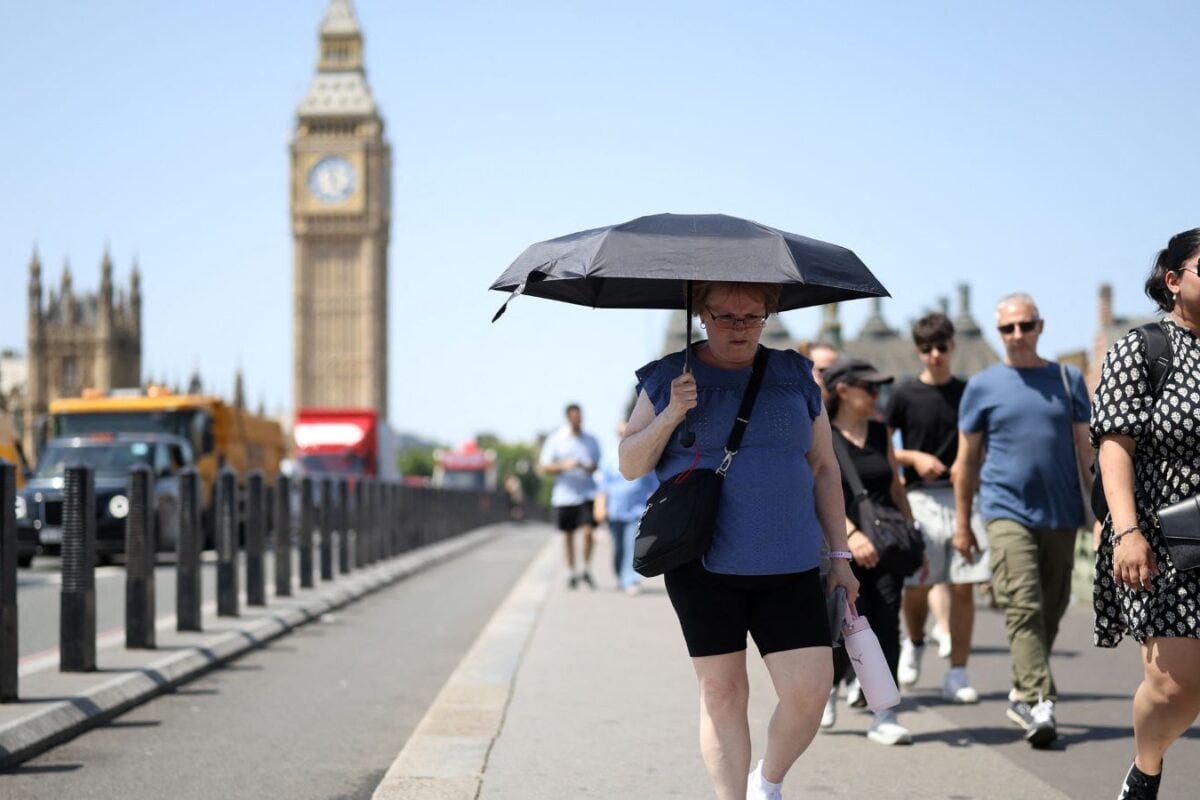
Brits Are Sweltering At 40°C. How Did They Survive India's Brutal Summers For 200 Years? Written By, Last Updated: June 27, 2026, 18:39 IST More than a century before air conditioning became commonplace, British colonial administrators had already developed ingenious ways to survive India's brutal summers. Rapid Read The scorching conditions prompted UN Secretary-General Antonio Guterres to remark, "London isn't just calling. It's cooking." (Photo: AFP file) As Europe swelters through one of its most intense heatwaves on record, temperatures have climbed to 41°C in parts of the continent. London recorded 36.1°C, among its highest temperatures ever. The scorching conditions prompted UN Secretary-General Antonio Guterres to remark, “London isn’t just calling. It’s cooking." While Europe struggles to adapt to extreme heat, India has lived with such temperatures for centuries. Today, however, climate change has made Indian summers even harsher, with heatwaves arriving as early as March instead of May. For millions, air conditioners have become the only refuge, while those who can afford it escape to cooler hill destinations. Ironically, more than a century before air conditioning became commonplace, British colonial administrators had already developed ingenious ways to survive India’s brutal summers. When the British first arrived in the subcontinent, where temperatures routinely crossed 40°C, the heat came as a shock.
Long before electricity and cooling appliances, staying alive through the summer was considered an essential part of colonial life. Here’s how they did it. Escape To The Hills The British quickly realised that the easiest way to survive the summer was simply to leave the plains. They established hill stations such as Shimla, Darjeeling, Mussoorie and Ooty, where the higher altitude offered significantly cooler weather. The migration eventually became institutionalised. Every summer, the colonial administration shifted thousands of officials, clerks and government records from cities such as Calcutta (now Kolkata) and later Delhi to Shimla, which served as the summer capital of British India. For nearly six months each year, the Himalayan town became the centre of governance, politics and social life for the British Empire in India. Homes Designed To Fight the Heat Those who remained in the plains depended on architecture rather than machines. British homes in India borrowed heavily from traditional Indian designs, giving rise to the iconic bungalow. These houses featured thick brick walls that insulated interiors from the outside heat, while exceptionally high ceilings allowed hot air to rise above living spaces. Wide verandas surrounded the buildings, shielding walls from direct sunlight and keeping rooms cooler throughout the day.
 The BriefWire