Still avoiding rice because of diabetes? Dr Anoop Misra says you may not need to
Rice has long been labelled the villain in a diabetes diet. But according to leading diabetologist Dr Anoop Misra of Fortis Healthcare, people with diabetes
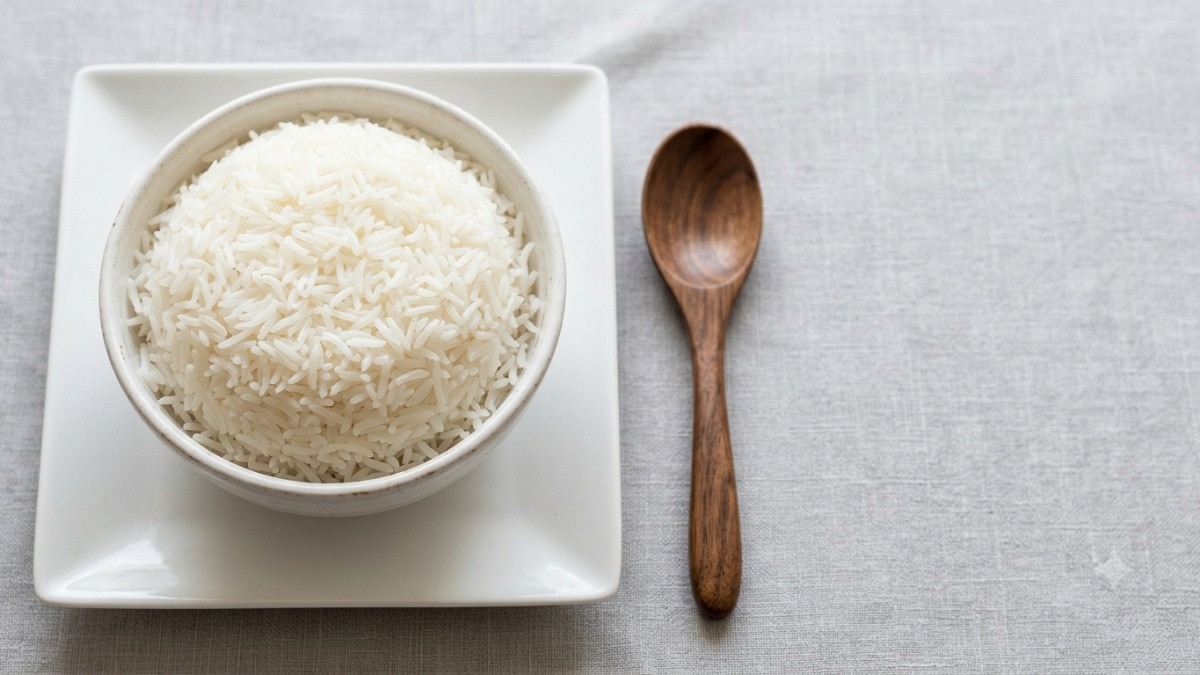
Rice has long been labelled the villain in a diabetes diet. But according to leading diabetologist Dr Anoop Misra of Fortis Healthcare, people with diabetes do not have to give up rice. The secret, he says, lies in how you eat it not whether you eat it. Speaking on the Health Podcast with Sonal Mehrotra Kapoor, Dr Misra explained that rice should never be eaten on its own. Pairing it with vegetables and protein can significantly reduce the blood sugar spike that usually follows a rice-based meal. Read Full Story RICE SHOULD NEVER BE EATEN ALONE "People often ask me if they should stop eating rice altogether. I tell them no. The real question is not whether you should eat rice, but how you should eat it," said Dr Misra. His advice is simple: never eat rice by itself. Before taking your first bite of rice, have a serving of vegetables or salad, followed by three to four tablespoons of a protein-rich food such as dal or rajma.
"Start your meal with vegetables or salad. Then have three to four tablespoons of a protein source such as dal or rajma. Only after that should you eat rice. This double preload can significantly reduce the post-meal sugar spike," he explained. According to Dr Misra, eating protein before rice slows the absorption of carbohydrates, helping reduce the rise in blood sugar after meals. THE 'DOUBLE PRELOAD' METHOD IS BACKED BY RESEARCH Dr Misra said the recommendation is supported by a Japanese study, which found that eating vegetables before carbohydrates helps lower post-meal blood glucose levels. "It is a very simple technique, but it works extremely well. We have seen impressive reductions in post-meal blood sugar levels. It also benefits people who need insulin, including pregnant women with diabetes and children with Type 1 diabetes," he added. HOW MUCH RICE CAN YOU EAT? Dinner is another meal where people often get confused, Dr Misra noted. "If you usually eat two rotis and want to include rice, replace one roti with about one-and-a-half bowls of rice.
If you want to eat only rice, skip the rotis altogether, preferably choose brown rice and always follow the preload method," he said. He stressed that portion control is just as important as food sequencing. Instead of adding rice on top of an already carbohydrate-heavy meal, adjust the rest of the plate accordingly. RICE MAY RAISE BLOOD SUGAR MORE THAN ROTI Dr Misra pointed out that rice generally causes a higher blood sugar response than roti. "Rice is usually more problematic than roti. That's why people with diabetes should always check their blood sugar after eating to understand how their own body responds," he said. He added that everyone's body reacts differently, making regular blood sugar monitoring essential for understanding individual tolerance. WHY A BEDTIME BOWL OF CURD MAY HELP Dr Misra also advised people with diabetes not to skip curd at night. "You can have curd with dinner or even later as a bedtime snack. If you don't prefer curd, a cup of milk is also a good option.
 The BriefWire