The Bhojpuri singers fighting vulgar tag on one of India's oldest languages
On a recent season of an Indian music show, a young singer from the northern state of Bihar performs a haunting, century-old folk song about
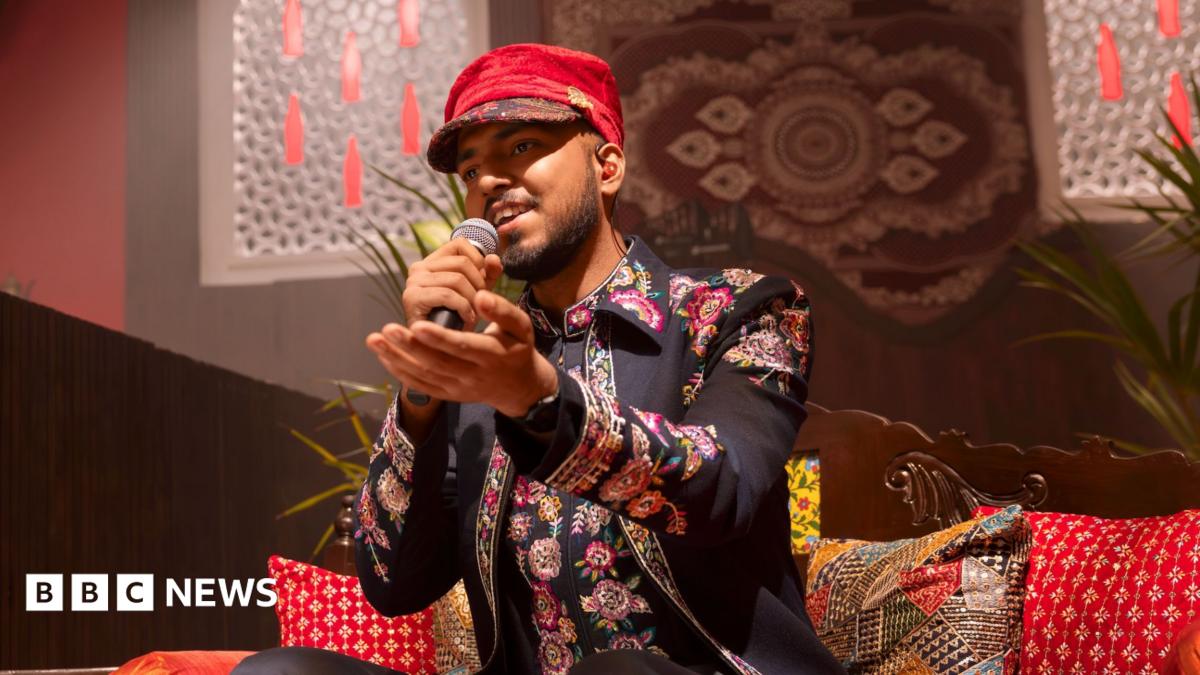
On a recent season of an Indian music show, a young singer from the northern state of Bihar performs a haunting, century-old folk song about separation, colonialism and longing. It tells the story of a woman watching her husband leave to fight in a distant war under British rule. She mourns his absence, curses the empire that claimed him and, at one point, imagines taking up a dagger herself. Performed by Bihar folk singer Utpal Udit in collaboration with acclaimed vocalist Rekha Bhardwaj, Kachaudi Gali went on to attract millions of views, becoming one of the breakout successes of the show Coke Studio Bharat, the Indian edition of the popular music franchise that has introduced regional and folk traditions to new audiences across South Asia.
The success thrust Udit into the national spotlight. More unexpectedly, it also brought renewed attention to Bhojpuri, a language often stereotyped as the tongue of migrant labourers and low-brow entertainment despite a rich literary and cultural history that stretches back centuries. Spoken by tens of millions across northern India and a diaspora stretching from the Caribbean to the Pacific, Bhojpuri is one of South Asia's most widely spoken languages, with a vast canon of folk songs, poetry, storytelling and theatre.
Yet that is not how many Indians encounter it today. For many, Bhojpuri is synonymous with a hugely popular music industry known for songs rife with sexual innuendo, misogyny and double entendres. In films and television, Bihari accents and characters are often reduced to comic sidekicks, migrants or rustic outsiders. Regional artists have spent decades preserving Bhojpuri folk traditions, but these are often eclipsed by the language's more visible - and more stereotyped - image. Now musicians like Udit are trying to broaden the picture.
"It hurts when you are deeply connected to the music of your roots, yet others perceive it poorly," Udit told the BBC. "I really want to change that."
 The BriefWire