Champat Rai Steps Down: Why The Sangh Parivar Let ‘The Man Who Built Ram Temple’ Go
Champat Rai Steps Down: Why The Sangh Parivar Let ‘The Man Who Built Ram Temple’ Go Written By, Last Updated: June 27, 2026, 09:47 IST
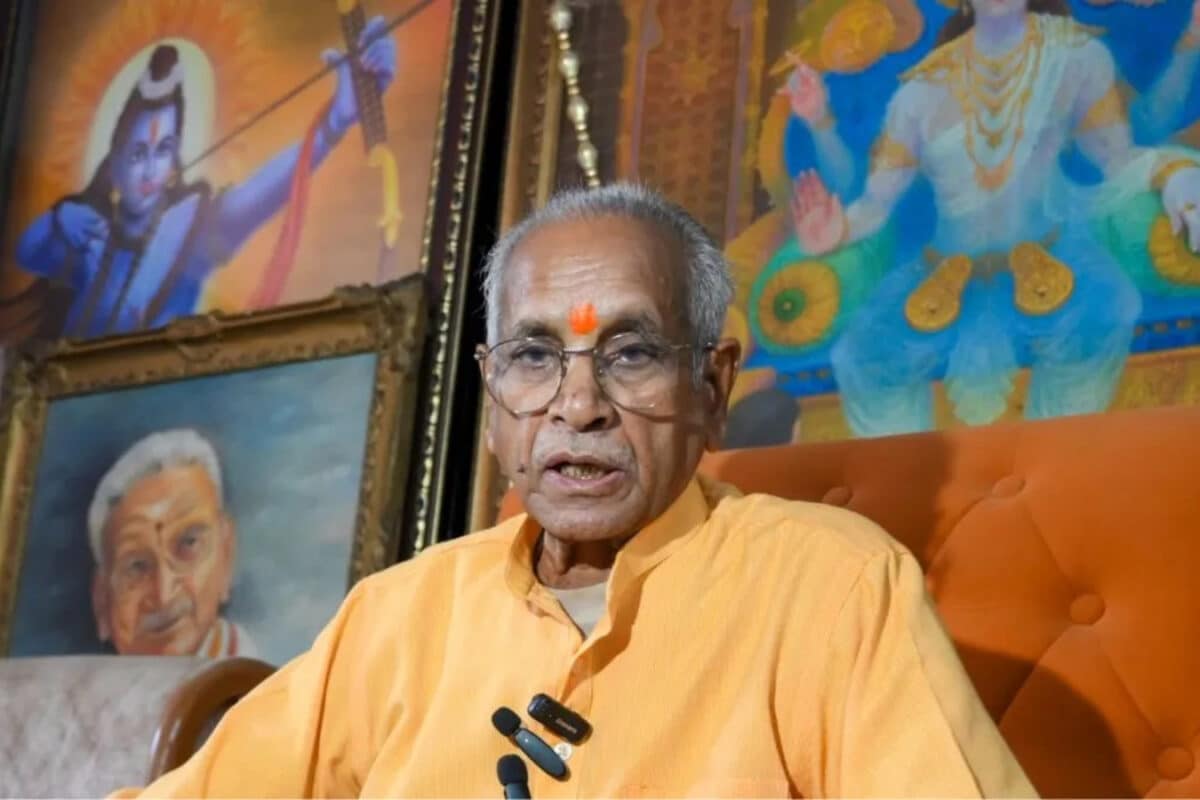
Champat Rai Steps Down: Why The Sangh Parivar Let ‘The Man Who Built Ram Temple’ Go Written By, Last Updated: June 27, 2026, 09:47 IST Rai’s exit shows that the Sangh is willing to let even its most trusted organiser go to protect the larger Hindutva project and the sanctity of the Ram Mandir. Rapid Read When the apex court cleared the path for the temple’s construction in a landmark 2019 verdict, Rai was strategically selected by the Union Cabinet to serve as the foundational general secretary of the powerful Teerth Kshetra Trust. File pic/PTI Champat Rai’s resignation as general secretary of the Shri Ram Janmabhoomi Teerth Kshetra Trust is far more significant than the exit of a veteran organiser. It is the Sangh Parivar’s clearest acknowledgement yet that, in today’s political and social climate, even its most trusted foot soldiers are expendable when institutional credibility comes under threat. Officially, Rai stepped down on ‘moral grounds’ as the Special Investigation Team (SIT) intensified its probe into the alleged siphoning of Ram Temple donation funds and other irregularities, including those related to recruitment, tightening the noose around him. But beyond the apparent explanation, the resignation suggests that the Sangh Parivar has chosen to protect the institution rather than stand by the individual. For decades, Champat Rai embodied the Sangh’s ideal karyakarta, remaining anonymous, disciplined, fiercely loyal and utterly devoted to the Ram Janmabhoomi movement.
Senior functionaries across the Parivar vouched for his impeccable integrity. Even at over 80 years of age, he remains active and deeply involved in the movement and the construction of the Ram Temple. A section of functionaries in the Parivar believes that his age and responsibilities may have resulted in some kind of oversight. However, Rai still commands respect, as he cooperated with the investigators, registered a complaint and stepped down to ensure an impartial and fair probe. From a teacher to one of the principal architects of the temple movement, Rai was never merely an administrator; he was part of the ideological DNA of the Ram Mandir project. That is precisely why his departure carries consequences far beyond Ayodhya and Uttar Pradesh. The End Of Organisational Immunity The donation controversy marked a shift in an old Sangh instinct, which involved resolving crises quietly, internally and without public confrontation. When discrepancies first surfaced, the Trust did not immediately choose to file an FIR, preferring internal deliberations. But as the SIT investigation gathered pace and the preliminary findings reportedly pointed towards serious irregularities, the room for quiet damage control disappeared. Public scrutiny had overtaken organisational discipline. The message became unavoidable: no ideological pedigree can override demands for financial accountability within the Sangh Parivar’s structure. Alok Kumar, the VHP’s international president, said that there should be a ‘fair’ investigation and that anyone involved in the crime must be penalised.
 The BriefWire