Oman Warns Allies Ships Passing Through Strait Of Hormuz May Face Transit Fees
Oman Warns Allies Ships Passing Through Strait Of Hormuz May Face Transit Fees Published By, Last Updated: June 27, 2026, 01:41 IST The Omani officials
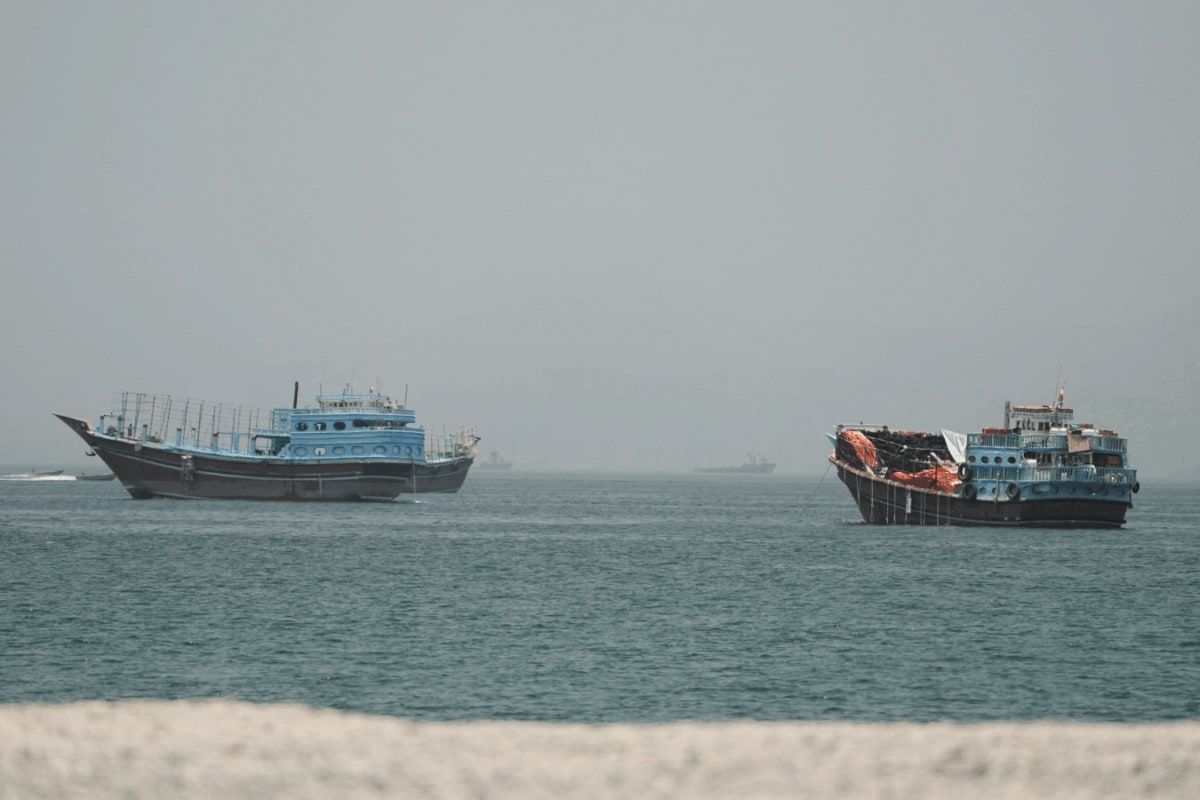
Oman Warns Allies Ships Passing Through Strait Of Hormuz May Face Transit Fees Published By, Last Updated: June 27, 2026, 01:41 IST The Omani officials indicated that charges could be introduced for services such as pollution control or navigational assistance in the strait. Vessels at the Strait of Hormuz, as seen from Musandam, Oman. (Source: Reuters) Oman has told European officials that the Strait of Hormuz cannot simply return to its pre-war operating model and that ships transiting the strategic waterway may have to pay certain fees, according to a report published by Bloomberg. The Omani officials said the country would continue to comply with international maritime law, but indicated that charges could be introduced for services such as pollution control or navigational assistance in the strait. It remains unclear whether any such fees would be mandatory. According to the report, Oman is studying how other major maritime chokepoints operate, including the Strait of Malacca in Asia, where shipping currently faces no compulsory transit charges. Also Read: UN Halts Evacuation Of Stranded Ships In Strait Of Hormuz After Cargo Ship Attack The possibility of Oman and Iran introducing a fee structure for vessels using the Strait of Hormuz has raised concerns among the United States, European countries and Gulf Arab states. The issue is expected to feature during French President Emmanuel Macron’s meeting with Oman’s Sultan Haitham bin Tariq in Paris on Monday.
According to Macron’s office, the two leaders will “address the security of maritime routes, which depends on free and unconditional passage through the Strait of Hormuz." Will Oman-Iran Jointly Charge Fees In Hormuz? Although Oman is a close US partner, it also maintains strong ties with Iran and has frequently acted as a mediator between Washington and Tehran. Muscat has sent differing signals in recent days. Earlier this week, Oman and Iran issued a joint statement saying they would discuss the future operation of the Strait of Hormuz and the costs associated with it. Two days later, Oman joined the United States and the Gulf Cooperation Council in signing a statement that “rejected any tolls, fees, or attempts to assert control over the Strait." “They said in the meeting, and they signed on to the statement that said that there aren’t going to be any fees or tolls, and so I think that’s good news," US Secretary of State Marco Rubio said during a visit to Bahrain. Iran Pressurising Oman Over Hormuz? According to the Bloomberg report, Omani officials have privately told European counterparts that they are under pressure from Iran. During the conflict, Iran launched missiles and drones across the region, including at Oman, and despite damage inflicted by US-Israeli airstrikes, it remains a dominant military power in the Persian Gulf.
 The BriefWire