Cartel Violence Overshadows FIFA World Cup Festivities In Parts Of Mexico
Cartel Violence Overshadows FIFA World Cup Festivities In Parts Of Mexico Published By, Last Updated: June 26, 2026, 20:30 IST In villages and towns across
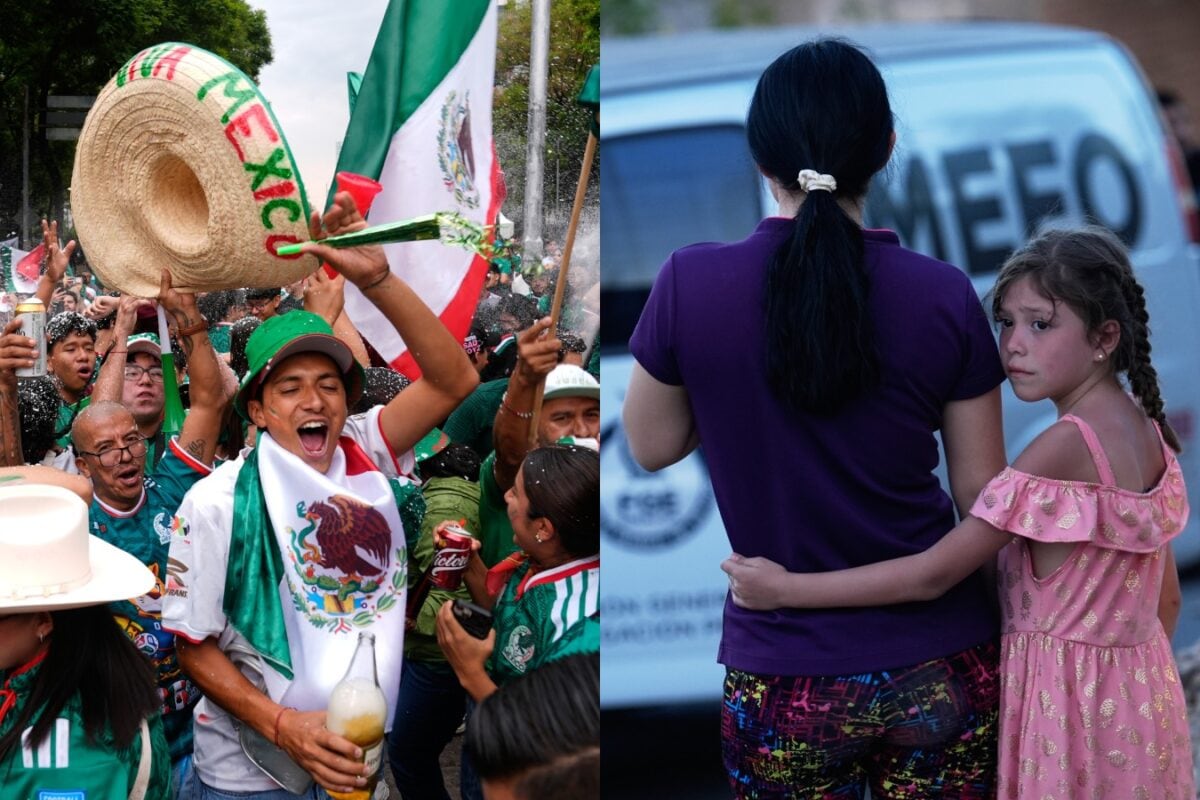
Cartel Violence Overshadows FIFA World Cup Festivities In Parts Of Mexico Published By, Last Updated: June 26, 2026, 20:30 IST In villages and towns across Mexico where shootings are a near-daily occurrence, the cheers are mostly confined indoors. Rapid Read Violence remains acute in several parts of the country. (AP Photo) Much of Mexico has embraced the World Cup with festive outdoor gatherings since the tournament kicked off on June 11, filling streets, plazas and fan zones in the country’s three host cities – Mexico City, Guadalajara and Monterrey. But in regions gripped by cartel violence, the tournament has brought not celebration, but fear. Across villages and towns where gunfire is a near-daily reality, fans are largely staying indoors. There, the excitement of a World Cup in which Mexico has reached the knockout stage takes a back seat to concerns about personal safety. “I really like football, but … we’re nervous," a lime grower from Michoacan, one of the states with the highest concentration of criminal groups battling each other, told The Associated Press. He spoke on condition of anonymity for fear of reprisals. During a recent World Cup match, he said, local cartels were launching explosives from drones at a nearby ranch. “In previous years, people would get together to watch the games and place bets. Not anymore. … There’s no party here, there’s only exhaustion," he said. Farther north, in Culiacán, the capital of Sinaloa, rival factions of the Sinaloa Cartel have fueled nearly two years of violence. The city lies about 1,040 kilometers (645 miles) from Mexico City. Yet it might as well be a world away. Instead of taking to the streets, many residents gather in friends’ homes, seek out quiet places or visit one of the few pubs showing the matches, hoping to forget – if only for a couple of hours – that violence shapes their daily lives.
José Miguel Taniyama, a chef and restaurant owner in the city of 1 million, had hoped the World Cup would help revive business after a two-year economic crisis caused by the fighting, which shuttered businesses and cost Sinaloa nearly 60,000 jobs, according to official figures. For Mexico‘s opening World Cup victory over South Africa, only two tables were occupied when the match began. Business picked up somewhat in the following days, but not to the extent he had hoped. “Business has been slow. We had some reservations but not at full capacity, and sales aren’t as strong as they were during similar events," he said, adding that, as soon as the match ends, “people run home" because of the violence. On the opposite side of the country, in Poza Rica on the Gulf of Mexico, where cartel violence has recently intensified, the streets were deserted after Mexico played North Korea on June 18. “No one went out to celebrate," said Guillermo Núñez, a 28-year-old business owner and soccer player for a local team, who walked a friend home after they watched the game together. The celebrations that once followed major matches have largely disappeared because people are afraid to be out at night, he said, and many of those close to him have changed their routines. This year, two journalists were killed near his home. “The violence has stolen even the desire to go out and watch soccer." Mexican President Claudia Sheinbaum has projected optimism throughout the World Cup. While pressure from the United States over economic and security issues continues, U.S. Ambassador Ronald Johnson praised cooperation between the two countries to ensure a successful tournament, including the deployment of more than 100,000 Mexican security personnel across the country. “People are happy, super happy" with the World Cup, Sheinbaum said last week.
 The BriefWire