'Boomers And Their Antics': PoK PM Hits Back At Pakistan's Defence Minister As Political Friction Rises | Exclusive Details
'Boomers And Their Antics': PoK PM Hits Back At Pakistan's Defence Minister As Political Friction Rises | Exclusive Details Reported By, Last Updated: June 26
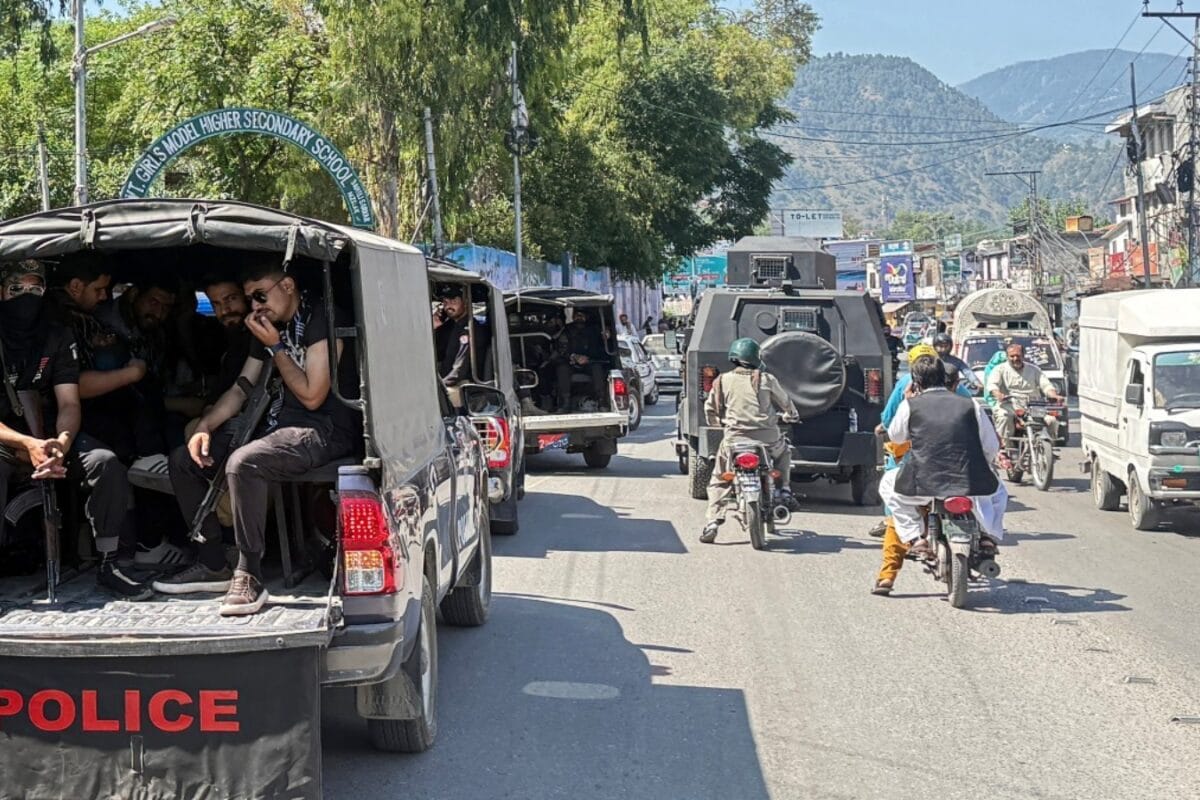
'Boomers And Their Antics': PoK PM Hits Back At Pakistan's Defence Minister As Political Friction Rises | Exclusive Details Reported By, Last Updated: June 26, 2026, 22:26 IST Faisal Rathore asserted that the people of PoK do not require structural validation of their identity from the Pakistani defence establishment or any external political authority Security personnel patrol a street in Muzaffarabad, capital of PoK. (File pic/AFP) A fierce political war of words has erupted between the leadership of Pakistan and Pakistan-occupied Kashmir, with PoK Prime Minister Faisal Mumtaz Rathore issuing a stinging public rebuttal to Pakistan’s Federal Defence Minister Khawaja Asif. Responding sharply on social media platform X, Rathore asserted that the people of PoK do not require structural validation of their identity from the Pakistani defence establishment or any external political authority. The public confrontation marks a significant escalation in regional political friction, exposing deepening institutional rifts between Islamabad and the leadership in Muzaffarabad.
The dispute ignited following controversial remarks made by Defence Minister Asif in the Assembly regarding Kashmiris, which triggered immediate legislative backlash. Attempting to manage the fallout, Asif reportedly shifted his narrative to criticise the governance standards within PoK. Rathore forcefully rejected this characterisation, accusing the senior Pakistani minister of using administrative scapegoating as a convenient cover-up to deflect from his original political misstep. In a highly candid assessment, Rathore pointed out that veteran politicians in Islamabad are actively undermining regional harmony. He stated that “boomers" like Khawaja Asif and their repetitive political antics are creating deep societal divisions instead of bringing regional populations closer together. Rathore demanded a direct and dignified apology from the Defence Minister, urging him to address the real “elephant in the room" rather than launching counter-accusations against PoK’s local government. Defending his administration’s track record, the PoK Prime Minister suggested that the Federal Defence Minister consult with Pakistan’s own state apparatus regarding local administrative capabilities.
Rathore maintained that Pakistan’s higher-ups are fully aware of how effectively the region has been governed under the current framework. He emphasised that a mature and accountable leadership model would require acknowledging the flaw in the original sweeping statements rather than trying to construct a diversionary narrative around local administrative performance. The open hostility between the two high-ranking officials comes at a time of heightened sensitivity, following a series of civil rights protests and economic blockades led by the Joint Awami Action Committee across border districts. Observers note that by publicly confronting a core member of the federal cabinet, Rathore is signalling a distinct refusal to let regional identity be used as a political pawn for internal partisan dynamics in Islamabad. As opposition groups and regional action committees rally behind the call for a formal apology, the federal government faces a complex diplomatic challenge in repairing its working relationship with the Muzaffarabad secretariat.
 The BriefWire