South Africans Are Protesting Against Immigrants: What's Behind The Growing Anger
South Africans Are Protesting Against Immigrants: What's Behind The Growing Anger Published By, Last Updated: June 26, 2026, 20:32 IST South Africa sees new anti
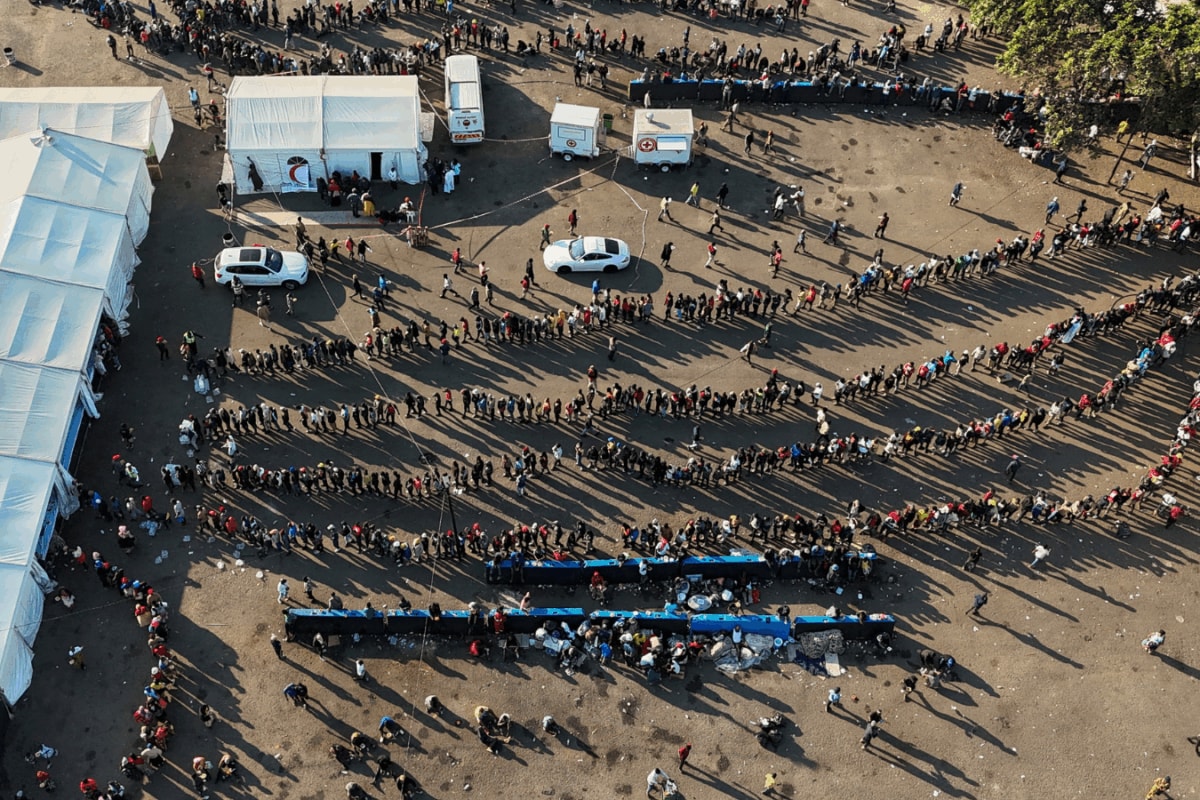
South Africans Are Protesting Against Immigrants: What's Behind The Growing Anger Published By, Last Updated: June 26, 2026, 20:32 IST South Africa sees new anti immigrant protests demanding undocumented foreigners leave by June 30, raising fears of xenophobic violence as President Cyril Ramaphosa urges calm. Migrants seek way out as South Africa braces for June 30 anti-immigrant protests. (Reuters) South Africa is witnessing a fresh wave of anti-immigrant protests, with activist groups demanding that undocumented foreigners leave the country by June 30. The demonstrations have sparked fears of renewed xenophobic violence, prompting thousands of migrants to seek shelter or return to their home countries. While protesters accuse migrants of taking jobs, straining public services and contributing to crime, researchers say many of these claims are not supported by official data. Why Are People Protesting?
Groups such as March and March and United South Africa argue that undocumented immigrants are overwhelming hospitals and schools, competing with South Africans for jobs and driving crime. The protesters have called for all undocumented migrants to leave the country, warning of nationwide demonstrations if authorities fail to act. What Does The Data Say? According to South Africa’s national statistics agency, migrants make up around 4.1% of the country’s population—far lower than in countries such as the UK, Canada or Australia. Researchers also dispute claims linking immigrants to crime. Prison data suggests most offences involving foreign nationals relate to immigration violations rather than violent crime, while economic studies indicate migrant workers often create jobs through businesses and local spending. Why Is Anti-Immigrant Sentiment Growing? South Africa faces one of the world’s highest unemployment rates, deep income inequality, rising living costs and chronic failures in public services.
Experts say these long-standing economic problems have fuelled frustration that is increasingly being directed at migrants. Political analysts also argue that immigration has become a major election issue ahead of local polls, with some political groups using anti-immigrant rhetoric to mobilise support. History Of Xenophobic Violence The country has experienced repeated outbreaks of xenophobic violence over the past two decades. In 2008, attacks on foreign nationals killed more than 60 people and displaced thousands. Similar incidents were reported in 2015 and again in recent weeks, prompting several African countries—including Nigeria, Ghana, Malawi and Mozambique—to repatriate some of their citizens. Government’s Response President Cyril Ramaphosa has condemned xenophobic attacks while acknowledging concerns over illegal immigration. He has warned that only state authorities—not vigilante groups—have the power to enforce immigration laws and has promised action against organisations inciting violence.
 The BriefWire