Part Of Skull Removed, Starved For Days: Why Images Of Palestinian Journalist Have Shocked The World
Part Of Skull Removed, Starved For Days: Why Images Of Palestinian Journalist Have Shocked The World Written By, Last Updated: June 26, 2026, 19:46 IST
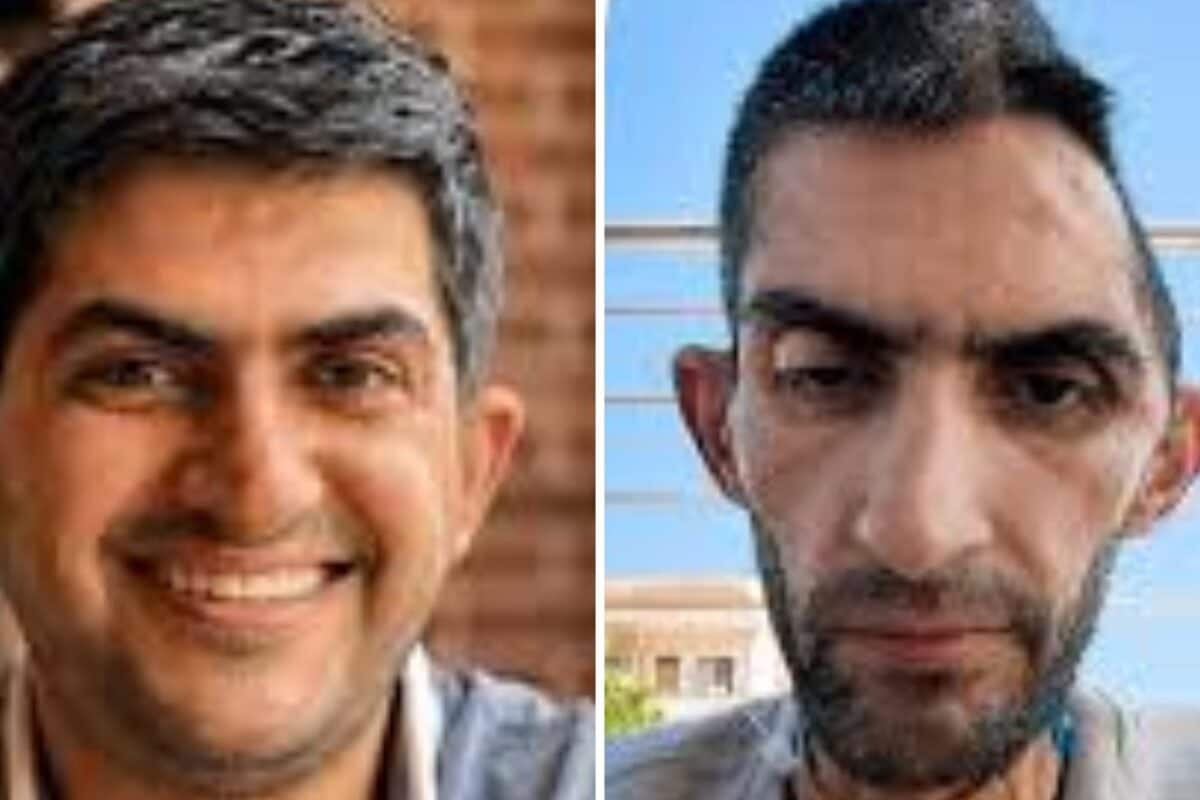
Part Of Skull Removed, Starved For Days: Why Images Of Palestinian Journalist Have Shocked The World Written By, Last Updated: June 26, 2026, 19:46 IST Bani Mufleh described facing extreme starvation and abuse, noting that a "loaf of bread became a dream, and how a sip of cold water can feel like a blessing". Rapid Read Mujahid Bani Mufleh's before and after images. The before-and-after images shared by Palestinian journalist Mujahid Bani Mufleh highlight the “tragic" conditions, systematic starvation, and medical neglect inside Israeli detention facilities, say activists. The photo of Bani Mufleh, a journalist with Ultra Palestine who was held for months under administrative detention without charge, went viral after being highlighted by the Palestinian Prisoner Society and global press groups. Israeli authorities have not issued a specific public response to these allegations. Health deterioration and skull removal The post-release image shows Bani Mufleh visibly pale, significantly emaciated, and unrecognisable compared to his previous appearance. The photo reveals that a noticeable part of his skull was removed.
This was the result of multiple emergency surgeries following a severe brain haemorrhage he suffered just days after his release from custody. In his public statements, Bani Mufleh described facing extreme starvation and abuse, noting that a “loaf of bread became a dream, and how a sip of cold water can feel like a blessing". Mujahid Bani Mufleh is a Palestinian journalist from Beita in Nablus, in the occupied West Bank. He has reportedly worked in journalism and media reporting in the region. He was detained by Israeli authorities in June 2025 under administrative detention and later released in… pic.twitter.com/ld9S6oIPxP— News18 (@CNNnews18) June 25, 2026 How human rights groups have reacted The Palestinian Prisoner Society released a statement declaring that the photos prove Israeli prisons “have turned into a tool for slow and direct killing of Palestinian prisoners". Human rights organisations argue that Bani Mufleh’s case is part of a broader pattern. They allege that thousands of Palestinian detainees face systematic torture, severe beatings, denial of medical treatment, and psychological terror.
Groups like the International Federation of Journalists (IFJ) have cited the case to demand international investigations and strict accountability for the treatment of detained media workers. What is administrative detention? Bani Mufleh was held under Israel’s policy of administrative detention. This legal mechanism allows authorities to detain individuals indefinitely without presenting formal charges or trials, often based on classified evidence. Israel is holding 3,324 Palestinians under administrative detention without charge or trial, according to official data provided by the Israel Prison Service and human rights organisations like HaMoked. Israel holds a total of 8,045 Palestinian “security" inmates. Over 55% of these prisoners are held without active sentences. This includes 3,386 remand detainees awaiting legal proceedings alongside the 3,324 administrative detainees. An additional 1,316 people — mostly from Gaza — are held under this specific classification. This figure excludes many Gazans held directly in military camps rather than standard prisons. Like Mujahid Bani Mufleh, Palestinian media figures face widespread detention. The Palestinian Prisoners’ Society has documented the arrest or detention of at least 193 Palestinian journalists.
 The BriefWire