Balochistan activist's life sentence raises fear of unrest
With the conviction of a leading rights campaigner, Pakistan has drawn criticism from rights groups and sparked fears it could deepen unrest in Balochistan and
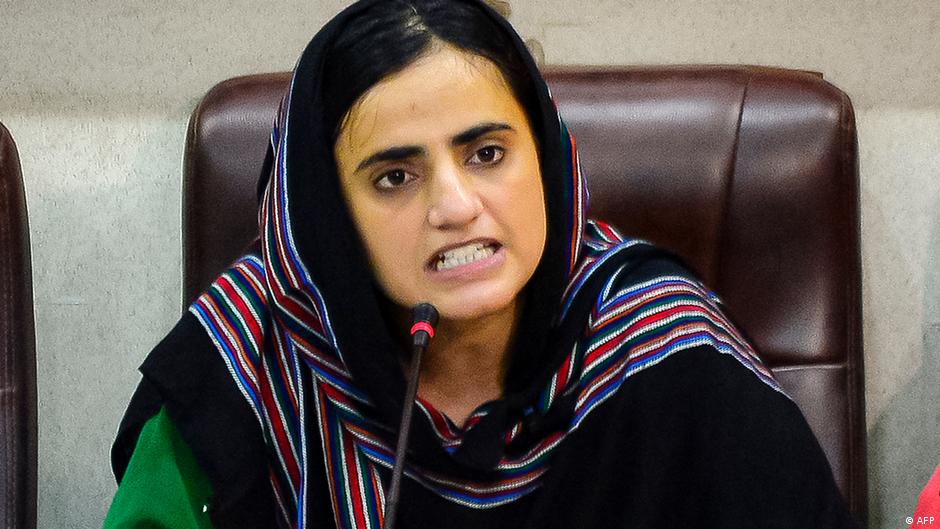
With the conviction of a leading rights campaigner, Pakistan has drawn criticism from rights groups and sparked fears it could deepen unrest in Balochistan and weaken trust in peaceful activism. A Pakistani anti-terrorism court this week sentenced two civil rights activists to life imprisonment over the killing of a paramilitary soldier during a July 2024 protest. Mahrang Baloch, 33, is a prominent campaigner against alleged enforced disappearances in Balochistan and leader of the Balochistan Unity Committee (BYC). On June 25, she was convicted of murder and terrorism alongside fellow activist Sibghatullah Shahji. Both activists boycotted the trial and have denied the charges against them. Baloch's lawyer, Israr Jattak, said the activists would appeal the verdict. Jattak recently met with the pair and reported that they were in good mental and physical health. "The court is using the law as a weapon against us. The court and the judicial system exposed themselves through this judgment," Baloch told DW via her lawyer. The verdict drew sharp criticism from rights organizations. The Human Rights Commission of Pakistan called for a review of the ruling, saying the state had "continued its policy of treating fundamental rights advocacy in the same way it treats extremism, resulting in administrative and judicial decisions that are one-sided and biased." Shahid Rind, a spokesperson for the Balochistan government, told DW that the prosecution was conducted fairly, insisting the case was backed by "undeniable evidence" and was not politically motivated. Who is the woman behind Balochistan's protest movement? To view this video please enable JavaScript, and consider upgrading to a web browser that supports HTML5 video Why was Baloch charged? Baloch and Shahji were arrested in March 2025 and are being held at Hudda District Prison in Balochistan's capital, Quetta.
According to the prosecution, Baloch did not physically kill the paramilitary soldier herself. Instead, prosecutors alleged that she incited and led a crowd during a July 2024 protest in Gwadar, and that the crowd attacked security personnel. They said a paramilitary soldier, Sepoy Shabbir Ahmed, became separated from his colleagues and was beaten to death by protesters. "These allegations are being used to create an atmosphere where political dissent is branded as a crime and demands for human rights are labelled as enmity against the state," said Baloch in a statement issued form the jail and posted on BYC's official social media accounts earlier this month. From doctor to activist Mahrang Baloch is a medical doctor-turned-human rights activist and a leading figure in the Baloch Yakjehti Committee (BYC), a human rights movement based in Balochistan. Her activism began after her father, Abdul Ghaffar Langove, was allegedly forcibly disappeared in 2009. His body was later recovered in 2011. Since then, she has become one of the most prominent voices campaigning against alleged enforced disappearances and for human rights in Balochistan. According to her associates, Baloch's activism focused on peaceful protests, sit-ins and marches. As leader of the BYC, she mobilized families of missing persons, organized public demonstrations and called for justice, accountability and dialogue through non-violent means. Unrest in Balochistan Balochistan is the largest and poorest province in Pakistan. The mountainous, mineral-rich region of the South Asian country has a dry desert climate and is sparsely populated. It's a hub for the ethnic Baloch minority, whose members say face discrimination and exploitation by the central government in Islamabad. These tensions have fueled a separatist insurgency seeking greater autonomy, or even independence for Balochistan, and a larger share of its natural resources.
 The BriefWire