Bayer: Why so many Roundup weedkiller lawsuits?
Bayer was sued for failing to add cancer warnings to its controversial pesticide Roundup, when US regulators opposed adding one. DW asks if the latest
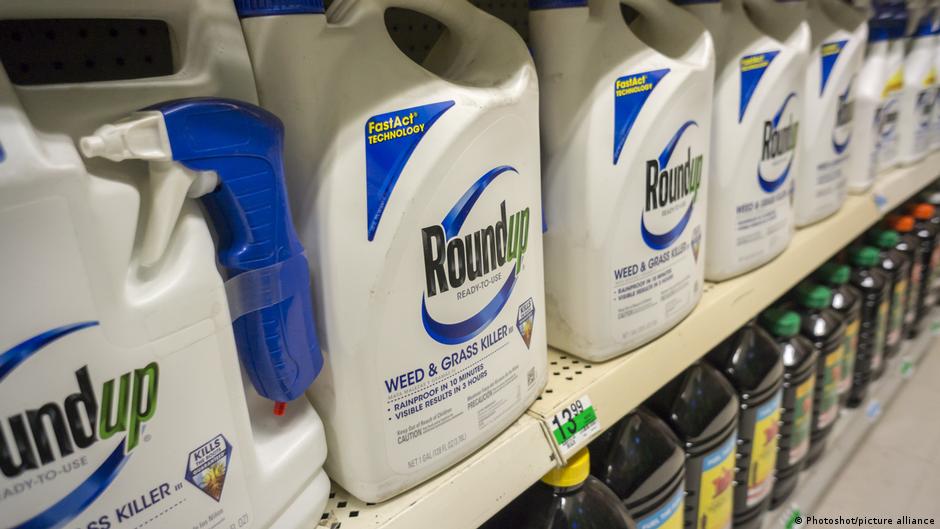
Bayer was sued for failing to add cancer warnings to its controversial pesticide Roundup, when US regulators opposed adding one. DW asks if the latest Supreme Court win will stop the chemical giant from paying billions. Bayer is still grappling with tens of thousands of lawsuits over its glyphosate-based weedkiller Roundup, which plaintiffs claim causes cancer, primarily non-Hodgkin lymphoma. Germany's agrochemicals giant inherited the legal mess after taking over Monsanto, the company that produced Roundup, in 2018. Farmers, landscapers and gardeners — mostly based in the United States — argue that Monsanto knew, or should have known, about the risks but failed to provide adequate warnings on product labels. According to the Lawsuit Information Center, Bayer has so far paid out around $11 billion (€9.65 billion) to settle roughly 100,000 cases. Around 61,000 to 65,000 claims remain active. The company has cited decades of scientific studies and regulatory research showing that glyphosate is safe and does not cause cancer. Bayer, which is among the top firms listed on the Frankfurt stock exchange, has won several legal cases, but it has also been hit with several high‑profile losses. Bayer wins in US court, but at what cost to public health? To view this video please enable JavaScript, and consider upgrading to a web browser that supports HTML5 video What did the US Supreme Court rule? On Thursday, the top US court delivered a major victory to Bayer, ruling that claimants cannot sue the company in state courts over the lack of cancer warnings on the weedkiller.
The justices decided 7-2 that, as US federal regulators do not require a warning on products containing glyphosate, individual states cannot force companies to add one. The case centered on a gardener, John Durnell from St Louis, Missouri, who won $1.25 million in compensation after blaming Roundup for his cancer. The Missouri Court of Appeals ruled that Bayer had to comply with state law. The Supreme Court, however, ruled Thursday that Federal law, which governs pesticides, takes priority. Durnell’s lawsuit became the key test case for thousands of other claims in state courts, even though the US Environmental Protection Agency (EPA) had signed off on Roundup's labels. In 2019, the EPA wrote to glyphosate producers telling them that adding a cancer warning would be "false and misleading." This effectively barred Bayer from adding the warning, even when required to by state regulators. The company, which is headquartered in Leverkusen, western Germany, argued it should not be punished for following federal rules. In a statement after the Supreme Court ruling, Bayer said that glyphosate remains the "most studied crop protection tool in the world," adding that the decision "affirms that the EPA’s safety determination is the law of the land." Supreme Court justices ruled 7-2 in favor of Bayer Image: Gent Shkullaku/Matrix Images/IMAGO Will the ruling end the lawsuits against Bayer? No. This latest ruling removes just one key type of claim against Bayer, specifically failing to follow state laws and add a cancer warning on Roundup labels.
 The BriefWire