Iran’s biggest battle starts now: What lies ahead in the 60-day ceasefire window
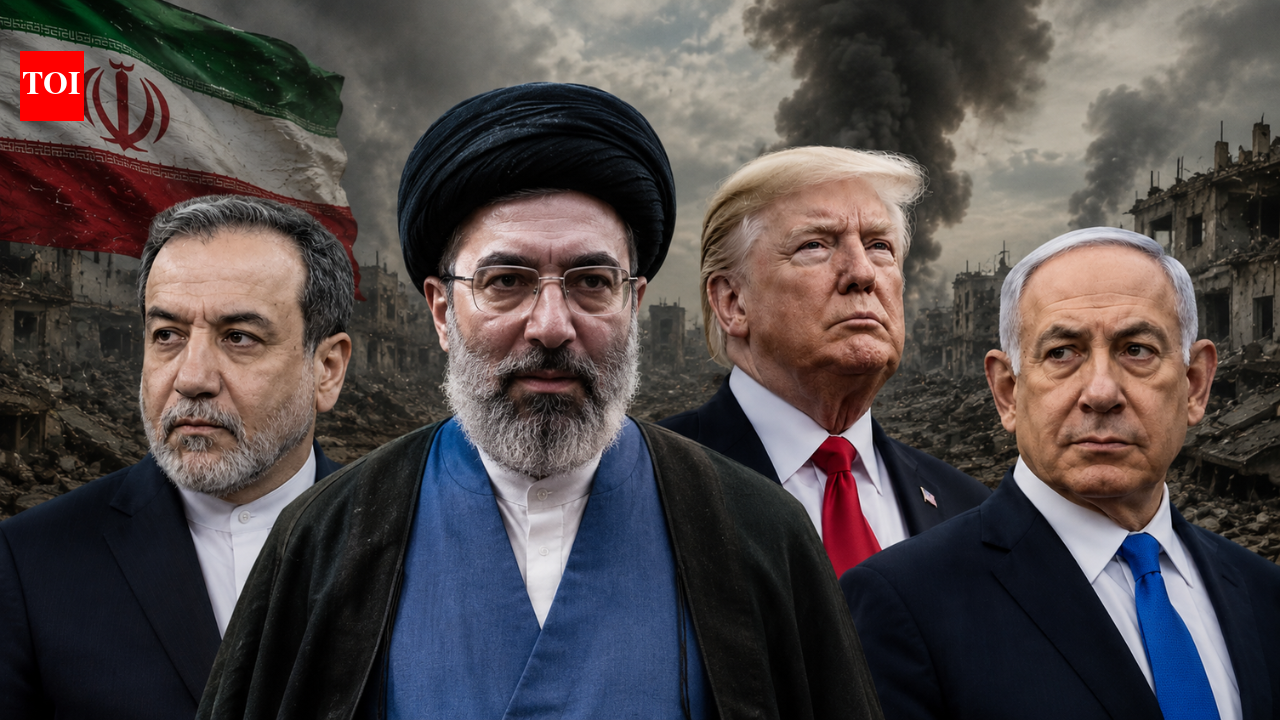
This image is used for representation purpose only (AI-generated image). From 'unconditional surrender' to negotiations. What the US gained. What Iran gained Netanyahu’s dilemma The
This image is used for representation purpose only (AI-generated image). From 'unconditional surrender' to negotiations. What the US gained. What Iran gained Netanyahu’s dilemma The nuclear test. Seven unanswered questions Is the deal fully in effect? The MoU is digitally signed and a ceasefire extension is in place, but several provisions depend on implementation timelines and a formal signing ceremony.
Will the Strait of Hormuz truly reopen without restrictions? The US says shipping will resume freely; Iranian officials hint at retaining oversight or administrative roles. What economic benefits will Iran actually receive? Tehran claims frozen assets will be released and sanctions eased; Washington says broader relief will depend on compliance. Do both sides agree on what was agreed?
Disputes already exist over frozen assets, sanctions relief and inspectors, raising interpretation questions. Will Israel comply with the Lebanon provisions? The agreement ties de‑escalation to a Lebanon ceasefire, but Israeli leaders have signalled reluctance to surrender military freedom of action against Hezbollah. Can Washington and Tehran reach a final nuclear agreement? Key issues—enrichment limits, stockpile fate, inspections and sanctions relief—remain deeply contentious.
Could the war resume if talks collapse? US officials warn military options remain; Iran retains leverage, making the ceasefire’s durability uncertain. The next 60 days: Where the deal could collapse
 The BriefWire