Here's what southern Europeans know about surviving heat waves
People in countries like Greece, Italy and Spain have long lived with high temperatures. Here's what more northerly countries can learn from them about managing
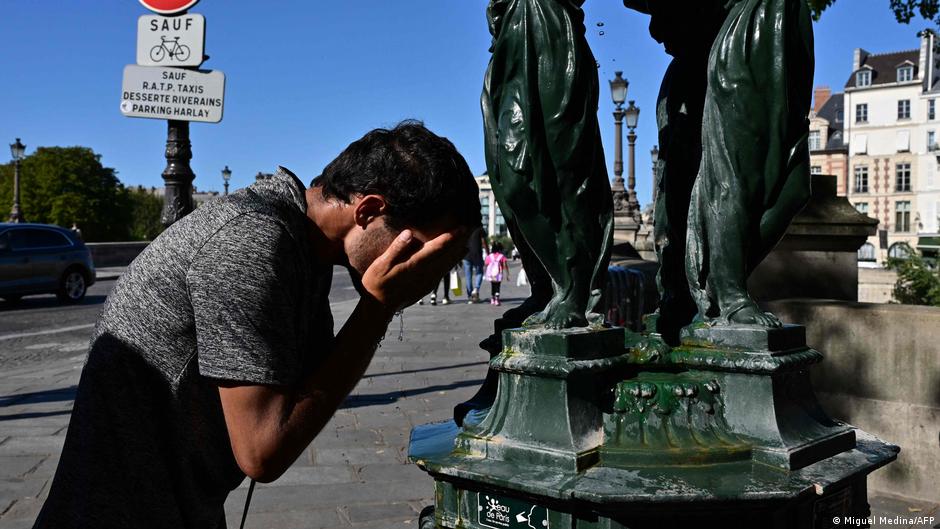
People in countries like Greece, Italy and Spain have long lived with high temperatures. Here's what more northerly countries can learn from them about managing heat waves as they become more common. Most northern Europeans are used to cold winters and relatively mild summers, and perhaps an annual beach vacation in countries like Greece, Spain and Italy. But as humans continue to burn oil, gas and coal, releasing the greenhouse gas emissions causing climate change, Europe is becoming the fastest warming continent. And deadly heat waves are growing more intense and frequent — even in once cool countries like Germany and Ireland. How Europeans cope with the record-breaking heat wave To view this video please enable JavaScript, and consider upgrading to a web browser that supports HTML5 video That means learning to adapt, and understanding just how dangerous rising temperatures can be. Extreme heat can cause dehydration and heat stroke, which can be fatal, and worsen a range of conditions like kidney or cardiovascular issues. Older and pregnant people, infants, those with chronic illnesses and the unhoused are among the most vulnerable. Europe is currently in the grip of a severe heat wave made more intense by climate change. Temperature records are being smashed, breaching 40 degrees Celsius (104 Fahrenheit) in some unlikely cases. People living in warmer southern European countries have more experience of managing hotter conditions. Here's how they do it. Stay out of the midday sun Keep exertion to a minimum between 11am and 5pm — the most punishingly hot hours of the day.
In Spain and Greece, tourists from colder climes sometimes underestimate the midday sun, heading out for walks in flip flops and with no water when ground temperatures can reach up to 60 degrees Celsius (140 Fahrenheit). Sometimes the consequences are fatal. During the hottest part of the day, southern Europeans rarely sit out in the sun Image: Alex Zea/Europa Press/abaca/picture alliance Southern Europeans rarely sit out in the sun, walk the streets or go for a run when the day is at its hottest. Instead, it's all about strolling along shady streets, staying indoors with fans on and shutters down, or chilling out somewhere air-conditioned. Towns and villages in southern Europe tend to first come alive in the evenings, when temperatures are cooler. Respect the siesta It's common for visitors to Spanish, Greek or Italian towns to find everything shuts down around lunchtime. Shops close and streets empty as locals retreat indoors for a spell to rest — the siesta. Many towns in Spain, Italy and Greece observe a traditional afternoon break during the hottest part of the day Image: Nacho Doce/REUTERS This might be more difficult to do in northern European countries considering there is no tradition of workers taking off for an afternoon nap. But when possible, a short rest in the middle of the day can boost energy levels, especially since increasingly hot nights disrupt sleep. As heat waves become more common, employers will likely have to rethink work schedules, particularly for people doing outdoor labor.
 The BriefWire