Will your family get your EPF pension after your death? Here's what you need to know
A friend recently told me about a colleague who lost her husband unexpectedly. In the middle of the grief, there were countless questions to deal
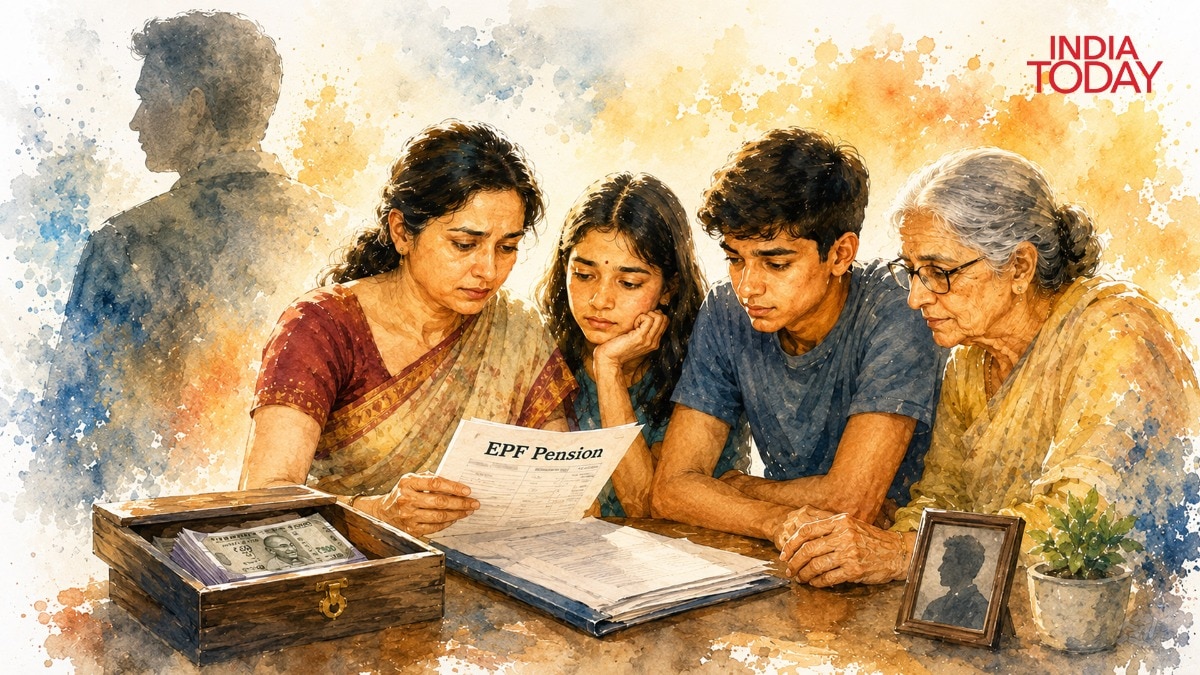
A friend recently told me about a colleague who lost her husband unexpectedly. In the middle of the grief, there were countless questions to deal with—bank accounts, insurance papers and office formalities. But one question kept coming up: Will the family continue to receive any pension from his EPF account? It's not something most of us think about while we're busy earning a living. Yet, understanding what happens to your EPF pension after your death can make a world of difference to the people you leave behind. Read Full Story The Employees' Pension Scheme (EPS), linked to the Employees' Provident Fund (EPF), is designed to do exactly that, i.e., provide financial support to your family when they need it the most. YOUR EPF PENSION DOESN'T ALWAYS END WITH YOU Many salaried employees believe that once they are gone, their EPF benefits end too. That isn't entirely true. While the provident fund balance is settled separately, the pension component under the EPS can continue to provide a monthly income to eligible family members. According to Adhil Shetty, CEO of BankBazaar, even a short period of contribution can make a difference. "When an EPF member passes away, their pension benefits transition into a lifelong monthly financial safety net for their family, provided the member contributed for at least a month," he says.
That means if an employee had made at least one month's contribution to the pension scheme, the family may become eligible for monthly pension benefits. WHO RECEIVES THE PENSION AFTER THE MEMBER'S DEATH? The first person entitled to receive the pension is usually the surviving spouse. Shetty explains that the widow or widower receives a monthly pension for life or until remarriage. The amount is generally 50% of the member's calculated pension, subject to a minimum monthly pension of Rs 450. Children are also covered under the scheme. "Additionally, up to two children receive a monthly support pension of 25% of the spouse's pension amount until they turn 25," says Shetty. If both parents are no longer alive, the scheme provides even greater support. "If both parents are deceased, the children receive an enhanced orphan pension, which is 75% of the spouse's pension value," he adds. This ensures that children continue to receive financial assistance during their formative years. WHAT IF THERE IS NO SPOUSE OR CHILDREN? Every family is different, and the pension scheme takes that into account. If the member has no surviving spouse or eligible children, the pension can still reach the people who depended on them financially.
 The BriefWire