Zohran Mamdani Has Emerged As Democratic Kingmaker: Could He Be The Party’s Next ‘Obama’?
Zohran Mamdani Has Emerged As Democratic Kingmaker: Could He Be The Party’s Next ‘Obama’? Written By, Last Updated: June 26, 2026, 12:04 IST Mamdani’s growing
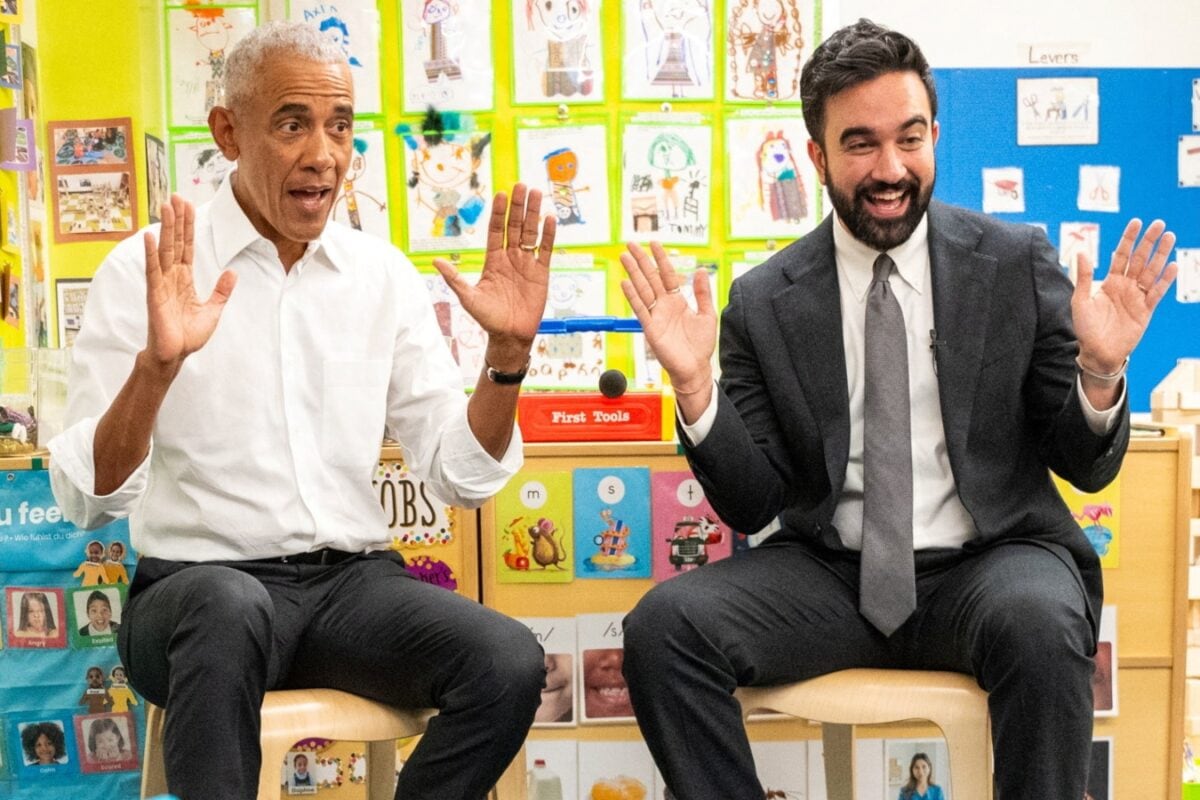
Zohran Mamdani Has Emerged As Democratic Kingmaker: Could He Be The Party’s Next ‘Obama’? Written By, Last Updated: June 26, 2026, 12:04 IST Mamdani’s growing clout within the Democratic Party has revived comparisons with former US President Barack Obama. Rapid Read U.S President Barack Obama and New York City Mayor Zohran Mamdani. (Image: Reuters) Zohran Mamdani was not contesting New York’s Democratic congressional primaries this week. Yet by the end of the night, the city’s mayor had emerged as their biggest political winner. All three candidates endorsed by Mamdani won their contests. Brad Lander defeated sitting Congressman Dan Goldman, Claire Valdez beat Brooklyn borough president Antonio Reynoso for an open House seat, and Darializa Avila Chevalier unseated five-term Congressman Adriano Espaillat. The districts are strongly Democratic, which means the three primary winners are likely to enter the US House of Representatives after the November midterm elections. The clean sweep showed that Mamdani’s influence now extends beyond New York City Hall and has prompted supporters and commentators to describe him as an emerging Democratic kingmaker. It also revived a comparison that has followed Mamdani since his own unexpected rise: is he becoming the Democratic Party’s next Obama? Why Mamdani Is Being Compared To Obama US President Barack Obama was a relatively unknown first-term senator when he challenged Hillary Clinton for the 2008 Democratic presidential nomination. Mamdani was a little-known state legislator when he took on former New York governor Andrew Cuomo and the city’s Democratic establishment. Both upset opponents who possessed greater name recognition, stronger donor networks and the backing of powerful figures within the party. Both attracted young volunteers and voters who felt that established Democrats no longer represented the change they wanted. Both are also seen as charismatic communicators who energised younger voters and turned their campaigns into wider political movements. Mamdani has done so through speeches and social media focused on housing and affordability, while Obama built his 2008 presidential campaign around “hope and change", presenting himself as a break from the George W Bush years and conventional Washington politics. Obama also recently praised Mamdani, calling him an “extraordinary talent" and pointing to his focus on affordable housing. He said Mamdani exemplified the need for Democrats to speak to ordinary voters in plain language rather than sounding as though they were at “a college seminar". But the primary sweep has raised a more important question: does Mamdani possess the broad political appeal that made Obama the defining Democrat of his generation?
 The BriefWire