Yogi Model In West Bengal? Suvendu Adhikari Could Soon Make Rioters Pay For Public Damage
Yogi Model In West Bengal? Suvendu Adhikari Could Soon Make Rioters Pay For Public Damage Reported By, Last Updated: June 26, 2026, 10:49 IST Explaining
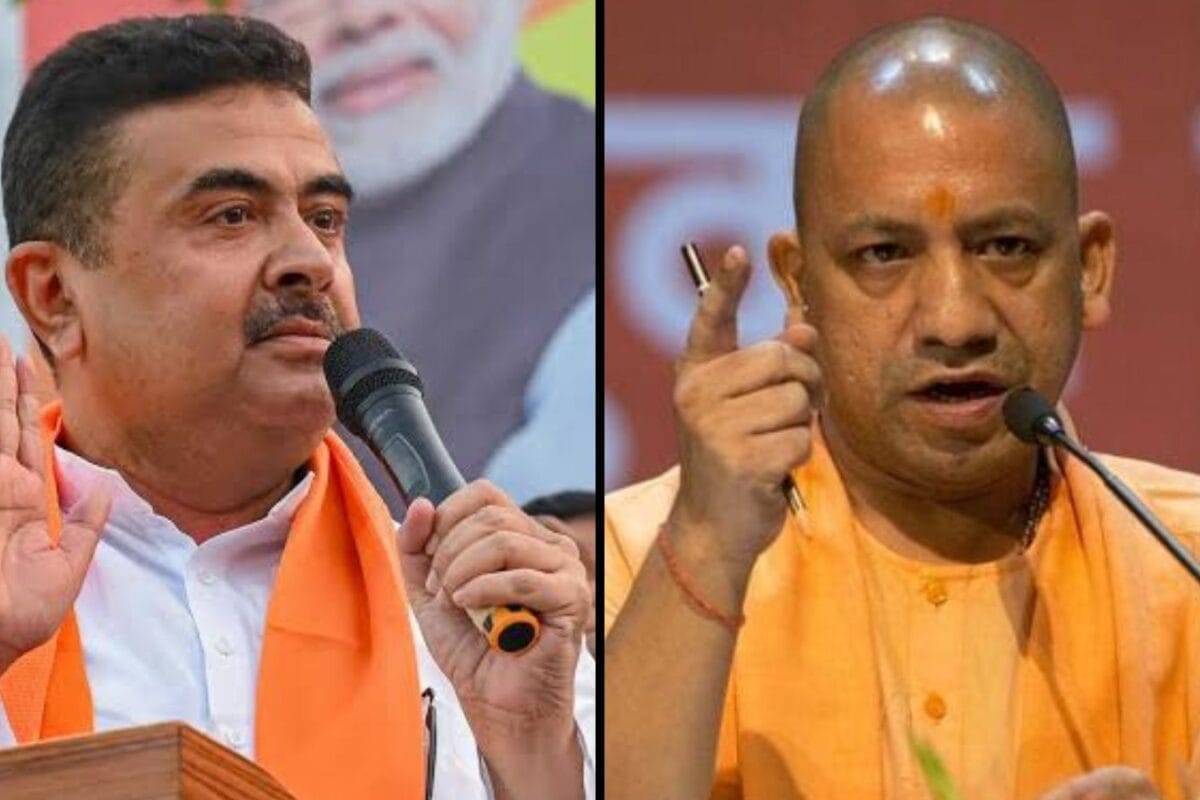
Yogi Model In West Bengal? Suvendu Adhikari Could Soon Make Rioters Pay For Public Damage Reported By, Last Updated: June 26, 2026, 10:49 IST Explaining the objectives behind the legislation, the state government said the existing framework is inadequate to effectively deal with anti-social activities and organised crime Rapid Read West Bengal Chief Minister Suvendu Adhikari (left) and his UP counterpart Yogi Adityanath. The West Bengal government will introduce the West Bengal Public Safety and Control of Anti-Social Activities Bill, 2026, on Monday, proposing sweeping new powers aimed at tackling organised crime, habitual offenders, and activities deemed a threat to public order. Among its key provisions are preventive detention, externment of alleged “goondas", expanded search and seizure powers, and a compensation recovery mechanism for damage caused during riots and violence. The proposed recovery model is similar to the one adopted by Uttar Pradesh Chief Minister Yogi Adityanath, under which compensation can be recovered from those held responsible for destruction of public and private property. The legislation seeks to establish a stronger legal framework for maintaining public order and public safety. It also grants the state government and authorised authorities enhanced preventive powers against individuals suspected of engaging in activities that may threaten peace and security, while incorporating procedural safeguards such as legal representation, advisory board review, and the right to challenge detention orders. Preventive Detention Provisions One of the key features of the Bill will be the provision for preventive detention. The state government or an authorised officer will be empowered to order the detention of individuals involved in, or likely to become involved in, anti-social activities. The Bill will clarify that preventive detention is intended as a preventive measure and not as punishment for any past offence. A detention order will have to be communicated to the detainee, and a copy of the order will have to be provided. The grounds for detention, along with relevant documents, will ordinarily be supplied within five days.
The detainee will have the right to submit representations before both the state government and an advisory board. However, authorities will be permitted to withhold certain information if its disclosure could reveal confidential sources or adversely affect public order, public safety, internal security, or national security. The Bill will also provide for legal consultation and assistance through correctional homes to facilitate the filing of representations. Action Against Absconders Another section will deal with individuals who evade detention by absconding or concealing themselves. In such cases, the government will be able to approach the Chief Judicial Magistrate or Judicial Magistrate and issue a notification in the Official Gazette directing the individual to appear before the authorities. The provisions relating to proclamation and attachment under the Bharatiya Nagarik Suraksha Sanhita, 2023, will apply. Failure to comply with such directions could attract imprisonment of up to two years, a fine, or both. Detention Period and Review Preventive detention may continue for a maximum period of 12 months after the detention order is confirmed. The state government will also have the authority to revoke or modify a detention order at any time. A fresh detention order may be issued if the individual resumes anti-social activities after release, if new facts emerge indicating a likelihood of such activities, or if procedural defects in an earlier order are rectified. Temporary Release The Bill will empower the government to grant temporary release to detainees for a period of up to one week, with or without conditions. Authorities may require the execution of a bond, with or without sureties. Any person who fails to surrender upon expiry of the temporary release period may be arrested and returned to custody. Externment Powers The Bill will introduce provisions for externment orders, empowering district magistrates, commissioners of police, and other authorised senior police officers to direct a person classified as a “goonda" to leave a specified area and prohibit re-entry for a period of up to one year.
 The BriefWire