'One Nation, No Nationality Proof'? Why India Needs A New Unified Citizenship Document
'One Nation, No Nationality Proof'? Why India Needs A New Unified Citizenship Document Written By, Last Updated: June 25, 2026, 23:38 IST For a population
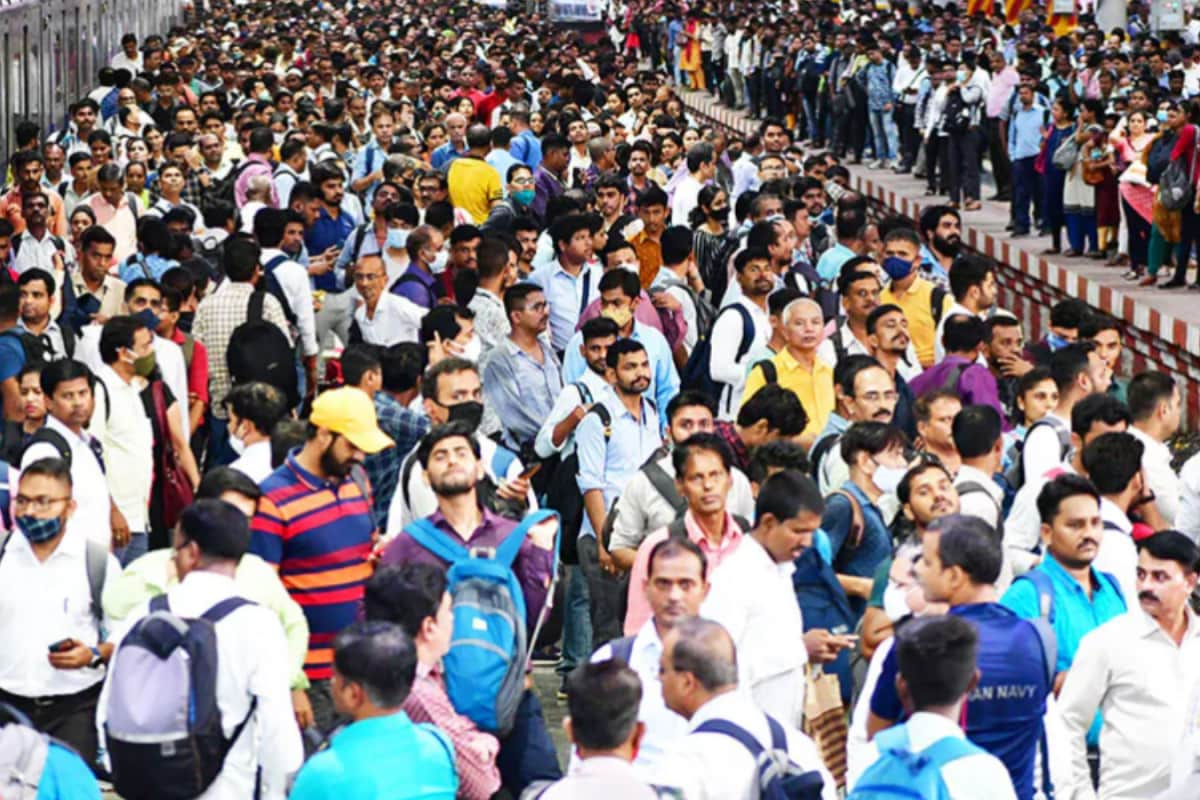
'One Nation, No Nationality Proof'? Why India Needs A New Unified Citizenship Document Written By, Last Updated: June 25, 2026, 23:38 IST For a population of over 1.4 billion residents, India currently possesses no single, universally issued document that conclusively establishes legal nationality From a national security and public administration perspective, a unified citizenship document offers clear structural advantages. (Representational image/Getty) The recent clarification by the Ministry of External Affairs that an Indian passport is fundamentally a travel document rather than a definitive proof of citizenship has exposed a critical bureaucratic void. For a population of over 1.4 billion residents, India currently possesses no single, universally issued document that conclusively establishes legal nationality. Instead, citizens rely on an uncoordinated patchwork of identity markers, each designed for specific administrative functions but legally vulnerable under strict statutory scrutiny. This systemic fragmentation has reignited an urgent policy debate regarding whether India requires a brand-new, unified national citizenship document to resolve decades of legal ambiguity. The current administrative reality forces citizens to maintain multiple identity cards, none of which provides absolute legal coverage.
The Aadhaar biometric identity card serves strictly as a proof of identity and residence, with its issuing authority explicitly disclaiming any verification of nationality. Similarly, the Election Commission’s voting card is primarily an entry on an electoral roll, and its evidentiary value has been repeatedly questioned by courts in complex nationality disputes. By establishing a centralised, dedicated citizenship card, the state could eliminate this confusing hierarchy, providing individuals with an incontestable legal shield while simplifying domestic governance. Streamlining Security and Welfare Architecture From a national security and public administration perspective, a unified citizenship document offers clear structural advantages. Modern economies require robust mechanisms to distinguish between legal citizens and undocumented migrants, particularly concerning national security and the allocation of state resources. The absence of a single source of truth makes the system vulnerable to document forgery, where a chain of fraudulently obtained local certificates can be used to fabricate a legitimate identity over time. A singular, highly secure citizenship document would rationalise this process, significantly reducing document inflation and closing loopholes exploited by non-state actors. Furthermore, a unified standard would transform the delivery of public welfare.
 The BriefWire