US Supreme Court scales back Roundup cancer lawsuits in victory for company
More than 100,000 plaintiffs had filed cases in US state and federal courts alleging a cancer link to the weedkiller Roundup. The United States Supreme
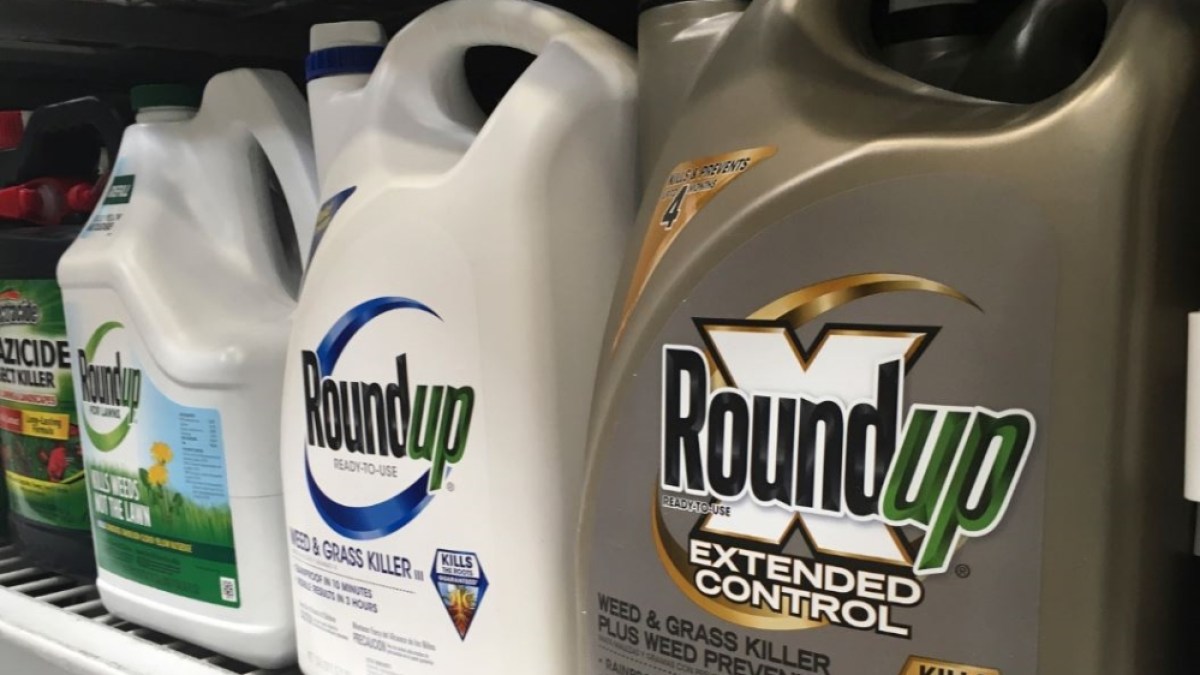
More than 100,000 plaintiffs had filed cases in US state and federal courts alleging a cancer link to the weedkiller Roundup. The United States Supreme Court has sided with the maker of Roundup weedkiller in a ruling expected to block thousands of lawsuits alleging it failed to warn people the product could cause cancer. The ruling on Thursday was tied to a case that came before the justices after a tidal wave of litigation that included some multibillion-dollar verdicts against the global agrochemical manufacturer Bayer, a Germany-based company that acquired Roundup when it bought its original producer Monsanto in 2018. The decision is a victory for US President Donald Trump’s administration, but one that could be tricky politically since allies in the “Make America Healthy Again” movement want to rein in pesticide use. The high court, in a 7-2 ruling, found that the company cannot face failure-to-warn lawsuits in state courts because federal regulations have found a cancer link unlikely and do not require a warning label. The justices overturned a jury verdict in Missouri awarding $1.25m to a man named John Durnell who said he was diagnosed with non-Hodgkin lymphoma after years of exposure to glyphosate in Roundup. The Supreme Court agreed with Bayer that a US law that governs pesticides precludes failure-to-warn claims that are brought under state law from moving forward in court. Bayer shares jumped nearly 18 percent following the ruling. Trump’s administration had backed Bayer in the case. Conservative Justice Brett Kavanaugh, who authored the ruling, said the US Environmental Protection Agency, or EPA, has concluded glyphosate does not cause cancer and has not required a cancer warning on Roundup.
The law preempts Durnell’s claim because it “would require Monsanto to add a cancer warning to Roundup’s label even though federal law requires Monsanto to use the EPA-approved label without a cancer warning”, Kavanaugh wrote. Liberal Justice Ketanji Brown Jackson, in a dissent joined by conservative Justice Neil Gorsuch, said that Durnell’s claim would impose equivalent labelling requirements on Monsanto that the federal law requires and so should not be preempted. Jackson called the ruling “remarkable and regrettable, for it unjustifiably closes the courthouse doors to state tort plaintiffs like Durnell”. Bayer acquired Roundup as part of its $63bn purchase of agrochemical company Monsanto in 2018. More than 100,000 plaintiffs have filed cases in US state and federal courts alleging a cancer link, and the German drugmaking and crop science company had said that the lawsuits could threaten its ability to supply the herbicide to farmers. The torrent of litigation already prompted Bayer to remove glyphosate from its consumer version of Roundup. Bayer said before the Supreme Court ruled that a decision in its favour could largely end the Roundup litigation. “The US Supreme Court decision is good for science, farmers, and industries that depend on regulatory clarity for innovation. It should help significantly contain the Roundup litigation after nearly a decade of legal battles. The ruling should result in the dismissal of current warning-based claims and bar future failure-to-warn claims,” Bayer spokesperson Tino Andresen said in a statement. The company emphasised throughout the litigation that the EPA repeatedly found that glyphosate does not cause cancer and approved its product labels without a warning.
 The BriefWire