'Passport Not Travel Document': How It Evolved From Ancient Permits To Modern Identity Documents
'Passport Not Travel Document': How It Evolved From Ancient Permits To Modern Identity Documents Written By, Last Updated: June 25, 2026, 21:12 IST One of
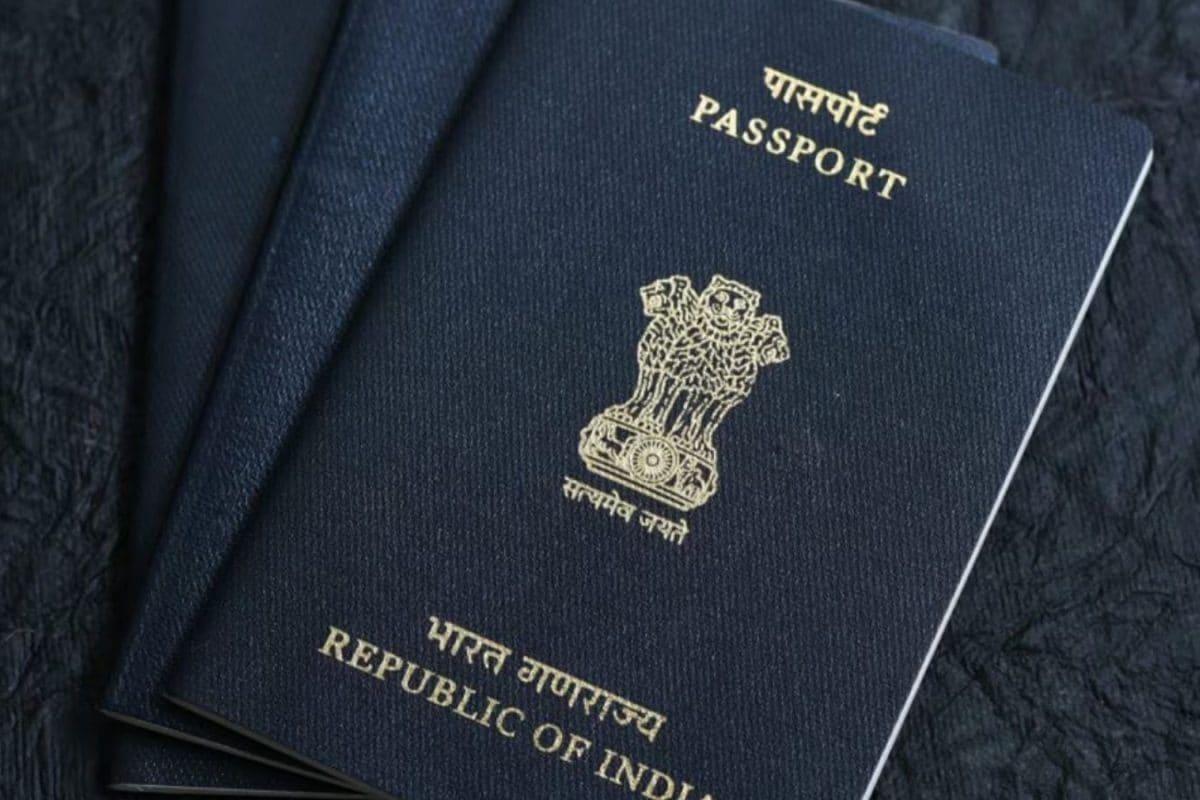
'Passport Not Travel Document': How It Evolved From Ancient Permits To Modern Identity Documents Written By, Last Updated: June 25, 2026, 21:12 IST One of the earliest known references to a passport-like document appears in the Book of Nehemiah in the Hebrew Bible, dating back to around 450 BCE. Rapid Read For centuries, passports remained little more than letters bearing the seal or signature of a monarch. (Representative Image) The recent debate over whether a passport constitutes proof of citizenship in India has renewed interest in one of the world’s most important travel documents. While passports today are widely regarded as the primary proof of identity and nationality for international travel, their origins can be traced back more than 2,500 years to a time when kings and rulers issued letters guaranteeing safe passage to travellers crossing their territories. The modern passport did not emerge overnight. Instead, it evolved gradually from royal permissions and handwritten travel letters into the highly secure, biometric documents carried by billions of people across the globe today. The Earliest Passport-Like Documents One of the earliest known references to a passport-like document appears in the Book of Nehemiah in the Hebrew Bible, dating back to around 450 BCE. According to historical accounts, Nehemiah, an official in the court of Persian King Artaxerxes I, requested letters from the king addressed to governors beyond the Euphrates River. These letters instructed local authorities to grant him safe passage as he travelled to Judea. Although not passports in the modern sense, the documents served a similar purpose—identifying the traveller and requesting protection and assistance during the journey. Also Read | India Clarifies Passport Isn’t Proof Of Citizenship. What Do US, Germany & Others Say? How The Word ‘Passport’ Was Born While the concept of safe-conduct documents existed in ancient civilisations, historians generally trace the origins of the modern passport to medieval Europe between the 13th and 15th centuries.
The term “passport" is believed to have originated from the French words passer (to pass) and port, referring to a port, harbour, gate or passage. In its earliest form, a passport was essentially a permission slip issued by a ruler, allowing a traveller to pass through a city gate, seaport or territory under the ruler’s control. One of the earliest documented examples came in 1414 when England’s King Henry V began issuing “Safe Conduct" documents to travellers journeying abroad. Unlike modern passports, these documents were not restricted to citizens. Anyone could obtain one upon payment and use it as proof of identity and authorisation to travel through foreign territories. For centuries, passports remained little more than letters bearing the seal or signature of a monarch. Their primary purpose was to guarantee safe passage and indicate that the traveller enjoyed the protection of a ruler. The word “passport" began appearing more regularly in official English records during the Tudor period. In 1540, responsibility for issuing travel documents was transferred to the Privy Council of England, and officials increasingly adopted the term instead of older expressions such as “letters of safe conduct". Interestingly, the first recorded appearance of the word in an English statute came in 1548, where it referred not to international travel but to a military leave document allowing soldiers to travel away from their place of service. When Europe Travelled Without Passports The passport’s importance declined significantly during the 19th century as railways and modern transportation transformed travel across Europe. Between 1850 and the outbreak of World War I in 1914, many European countries abolished passport requirements altogether. Travellers could move across much of the continent with little more than a train ticket, leading historians to describe the period as a golden age of unrestricted movement.
 The BriefWire