How Iranians Went From 'Terrible' To 'Strong And Smart' In Trump's Books
How Iranians Went From 'Terrible' To 'Strong And Smart' In Trump's Books Published By, Last Updated: June 25, 2026, 20:24 IST Once branded part of
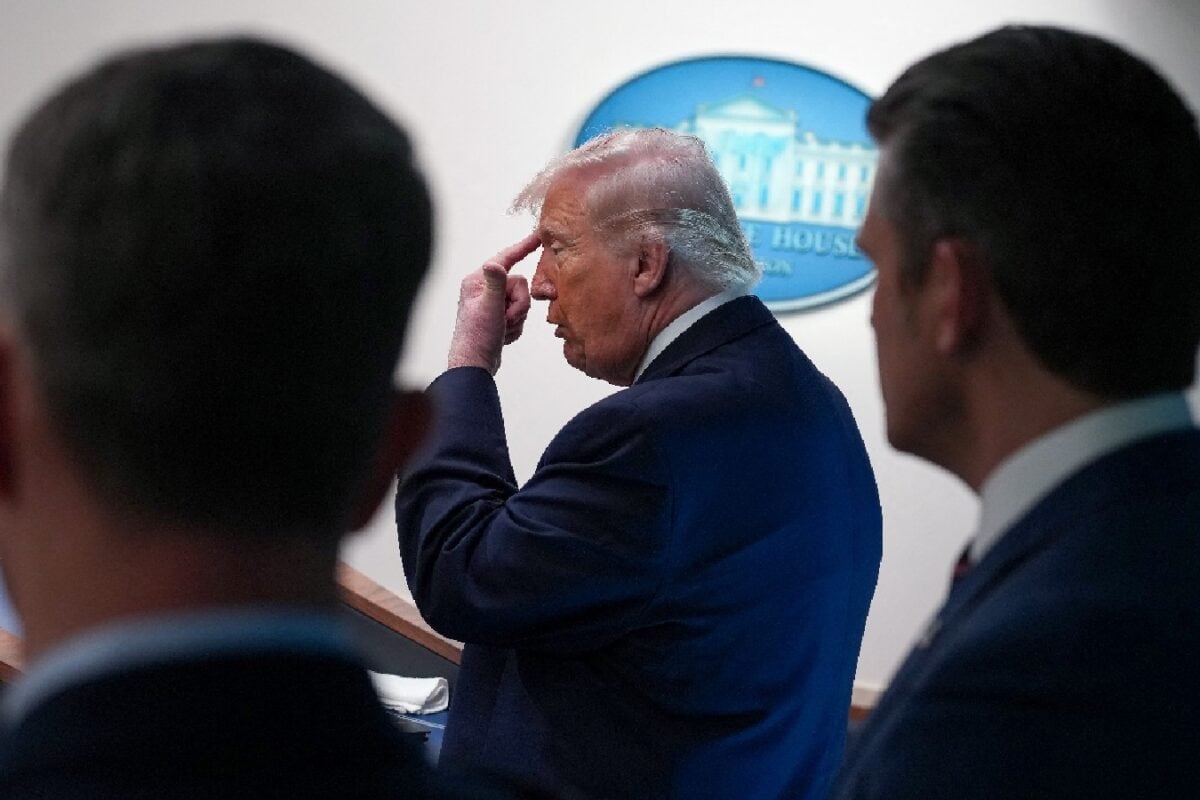
How Iranians Went From 'Terrible' To 'Strong And Smart' In Trump's Books Published By, Last Updated: June 25, 2026, 20:24 IST Once branded part of the 'Axis of Evil' and later dismissed as 'terrible people', Iran is now being described by Trump as 'strong' and 'smart’. Rapid Read From threatening to destroy Iranian civilisation to calling its leaders 'rational' and 'smart', Trump's changing rhetoric is reshaping how parts of the American right view Tehran. (IMAGE: AFP) As the guns fell silent and the US-Iran truce entered its initial phase, Iran was still widely associated with being one of the world’s principal villains—occupying the same space in American political discourse as North Korea. For decades, particularly under Republican presidents and among the American right, Tehran had been portrayed as an irredeemable adversary. That rhetoric was very much on display during the opening months of the four-month-long conflict. But as the war drew to a close, a noticeably different narrative began to emerge, even as President Donald Trump’s rhetoric oscillated between threats and praise. His repeated sabre-rattling in the early weeks gradually gave way to open admiration for Iran’s leadership and its resilience. A report by The New York Times observed that sections of the American right now increasingly view Iran as a “pragmatic country that the United States can, and must, learn to live with", a striking departure from decades of hard-line Republican orthodoxy. It was Trump himself who appeared to lead that shift. After threatening in April to wipe out Iranian “civilisation" if Tehran crossed American red lines, the US President struck a markedly different tone while speaking at the G7 Summit earlier this month.
“You talk about regime change. I never cared about regime change. It [was] never a part. But I guess you have regime change because, you know better than anybody, the first group, they’re all dead. The second group, they’re dead. A part of the third group is gone," Trump said, referring to successive echelons of the Iranian leadership. “And we’re dealing with people that I think are very rational people. They were nice to deal with. They were strong people, smart people. I think actually they’re smarter than the first and second group, but they’re not radicalized and they’re, you know, looking to help their country," he added. Not Hating Iran Now Less Taboo? The shift is not confined to Donald Trump alone. According to The New York Times, a broader change is taking shape within sections of the American right, driven by a younger Republican base that is increasingly sceptical of prolonged military interventions and less instinctively aligned with decades of unwavering support for Israel. The newspaper describes a generational rethink that has made open opposition to another West Asia war—and even reluctant admiration for Iran’s ability to withstand weeks of bombardment—far less politically risky than it once was. Curt Mills, executive director of The American Conservative, was quoted by The New York Times as saying that the message many conservatives had taken from Trump was simple. “Iran stood up for itself. Good for Iran." “And that means the US is only so interested in taking these guys down a peg," Mills added. Mills, who heads the magazine founded by conservative isolationist Patrick Buchanan, argued that opposing military action against Iran is steadily becoming more acceptable within Republican circles.
 The BriefWire