Decoding Indus Waters Treaty (Part- 2): The Making Of A Treaty, A Bargain India Made For Peace
Decoding Indus Waters Treaty (Part- 2): The Making Of A Treaty, A Bargain India Made For Peace Written By, Last Updated: June 25, 2026, 20:00
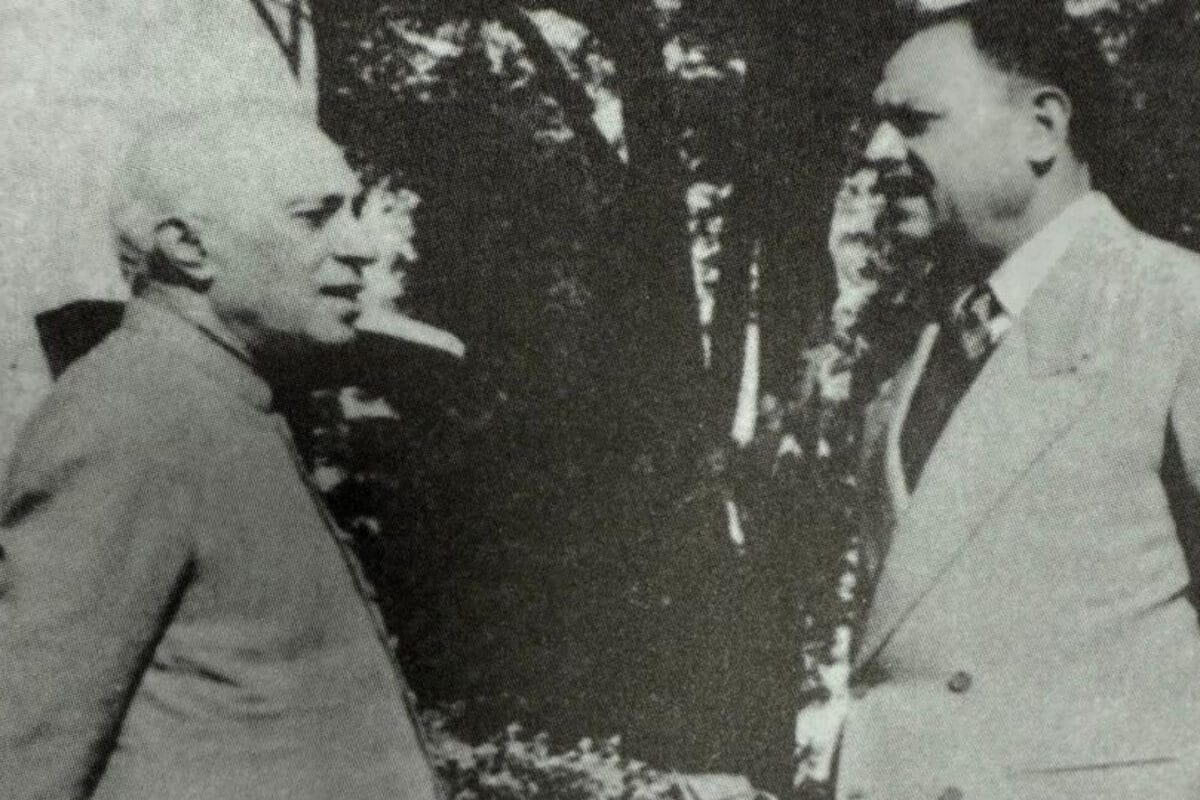
Decoding Indus Waters Treaty (Part- 2): The Making Of A Treaty, A Bargain India Made For Peace Written By, Last Updated: June 25, 2026, 20:00 IST Nehru would tell Parliament after signing that India had purchased a settlement. The phrase was carefully chosen Jawaharlal Nehru and Ayub Khan. File image Political borders are easily drawn on paper, but engineering a permanent split through a shared, continuous river network is a far more volatile challenge. Decades after the 1947 partition bisected the subcontinent’s agricultural lifelines, the Indus Waters Treaty remains a landmark, controversial template of transboundary resource management. This exclusive si part investigative series moves past historic rhetoric to dissect the secret diplomatic manoeuvres, structural vulnerabilities, and legal battles that shaped the 1960 accord. We trace how an intricate canal network became an ongoing geopolitical chessboard, evaluating whether a legacy pact can withstand the compounding strains of modern climate change and intense regional strategy. The Indus Waters Treaty of 1960 is often celebrated, with some justice, as a triumph of multilateral diplomacy. It is the only major water-sharing arrangement in modern history to have survived three wars between its signatories. It is studied in universities as a model of cooperative resource management. It is held up by international organisations as evidence that hydrological cooperation is possible even between hostile neighbours. Each of these characterisations is accurate as far as it goes. None of them captures the essential nature of the bargain India struck in Karachi on 19 September 1960. The treaty was, at its core, a strategic concession. India gave up rights to roughly eighty per cent of the basin’s flow, accepted limitations on its hydropower development on the western rivers, and committed to funding Pakistani replacement infrastructure. In return, it received an Indus dispute taken off its diplomatic table, an established mechanism for managing future disagreements, and what Nehru genuinely believed would be a more stable western neighbour. Whether the bargain has aged well is a question that depends on how one assesses the seventy years of evidence since.
The Architecture of the Treaty The treaty’s allocation principle was elegant. Rather than dividing the waters of each river between the two countries, an arrangement that would have required continuous monitoring and metering, the treaty assigned entire rivers. The three eastern rivers, Ravi, Beas, and Sutlej, with a combined mean annual flow of approximately 33 million acre-feet, went to India for unrestricted use. The three western rivers, Indus, Jhelum, and Chenab, with a combined mean annual flow of approximately 135 million acre-feet, went to Pakistan. India retained limited rights to use the western rivers for non-consumptive purposes, specified agricultural use, and run-of-the-river hydropower projects within tightly defined technical parameters. Dispute resolution was structured in three tiers. The Permanent Indus Commission, comprising one commissioner from each country, would serve as the first line of engagement, handling routine technical matters and exchanging hydrological data. Differences that could not be resolved at this level could be referred to a neutral expert, a technical authority appointed under the treaty’s procedures. Disputes that involved legal interpretation rather than purely technical determination could be escalated to a court of arbitration. The treaty’s drafters believed this layered architecture would allow most disagreements to be resolved without political crisis. India also agreed to make ten annual payments totalling sixty-two million pounds sterling to fund the replacement infrastructure that Pakistan would need to build, with additional financing arranged through the Indus Basin Development Fund. This was an extraordinary concession. India was effectively financing the very projects that would allow Pakistan to use the water India had agreed to give up. The logic, as understood at the time, was that Pakistan could not be expected to fund the replacement works alone, that the World Bank’s involvement required Indian financial commitment to make the package work politically, and that the cost was a one-time investment in long-term stability. India was effectively financing the very projects that would allow Pakistan to use the water India had agreed to give up.
 The BriefWire