'Rules Will Decide Indian Citizenship': Harish Salve Backs MEA's Stand On Passport Row
'Rules Will Decide Indian Citizenship': Harish Salve Backs MEA's Stand On Passport Row Published By, Last Updated: June 25, 2026, 20:06 IST The senior advocate
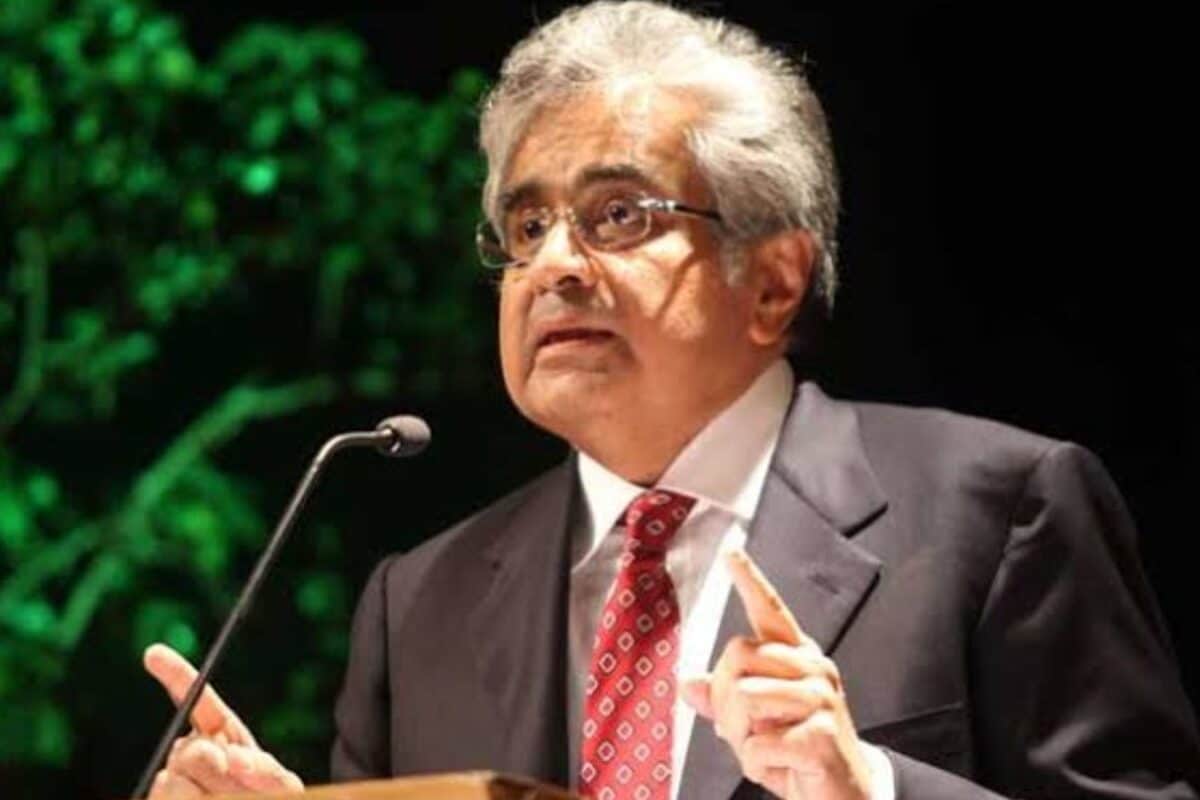
'Rules Will Decide Indian Citizenship': Harish Salve Backs MEA's Stand On Passport Row Published By, Last Updated: June 25, 2026, 20:06 IST The senior advocate also dismissed concerns that the government's clarification would undermine the credibility of Indian passports internationally. Rapid Read Referring to Section 20 of the Passports Act, 1967, Salve pointed out that the law allows the Central Government to issue a passport to a person who is not an Indian citizen in certain circumstances. (Photo: X) Solicitor General of India Harish Salve has backed the Ministry of External Affairs’ (MEA) clarification that a passport is a travel document and not conclusive proof of Indian citizenship, calling the government’s position “legally correct". Speaking to CNN-News18 amid the ongoing debate over the MEA’s statement, Salve said the controversy was being taken out of context and stressed that citizenship is determined by law, not by the passport itself. “If you read the whole comment which the ministry has made, it has nothing to do with the proof of passport or the use of passport as a manner of proving your citizenship.
You can’t decontextualise it," Salve said. Referring to Section 20 of the Passports Act, 1967, Salve pointed out that the law allows the Central Government to issue a passport to a person who is not an Indian citizen in certain circumstances. “Does he become a citizen of India merely by being issued a passport?" he asked. Salve argued that citizenship is governed by legal provisions and not by the Ministry of External Affairs. “Rules will decide Indian citizenship. The MEA has no role in it," he said. The senior advocate also dismissed concerns that the government’s clarification would undermine the credibility of Indian passports internationally. “Nobody can challenge a passport as proof of Indian citizenship abroad. The statement has nothing to do with contextualising the passport," he said. Drawing a parallel with other government-issued documents, Salve noted that a passport remains valid proof of citizenship for most practical purposes unless its validity is challenged under law.
“Your Aadhaar card is valid unless it is rejected. Likewise, for all practical purposes in India, your passport serves as proof of your citizenship," he said. Salve further referred to the Special Intensive Revision (SIR) exercise and said the Election Commission independently determines which documents are sufficient to establish citizenship. “The rules for the SIR were not decided by the MEA or the Home Ministry. The Election Commission asked for certain documents that it believes are sufficient to establish that a person is a citizen of India," he said. Summing up his position, Salve said the MEA’s statement was legally accurate and consistent with the distinction between passport law and citizenship law. “The MEA saying that a passport does not prove your citizenship in India is legally the correct thing to say," he said. Salve’s remarks come amid a wider debate triggered by the MEA’s clarification that while a passport is issued after verification of an applicant’s credentials, citizenship itself is governed by the Citizenship Act and can be subject to legal scrutiny in specific cases.
 The BriefWire