Passport Powerful Evidence Of Citizenship, Not Its Conclusive Legal Proof: E Foreign Secy Explains
Passport Powerful Evidence Of Citizenship, Not Its Conclusive Legal Proof: E Foreign Secy Explains Published By, Last Updated: June 25, 2026, 18:52 IST The former
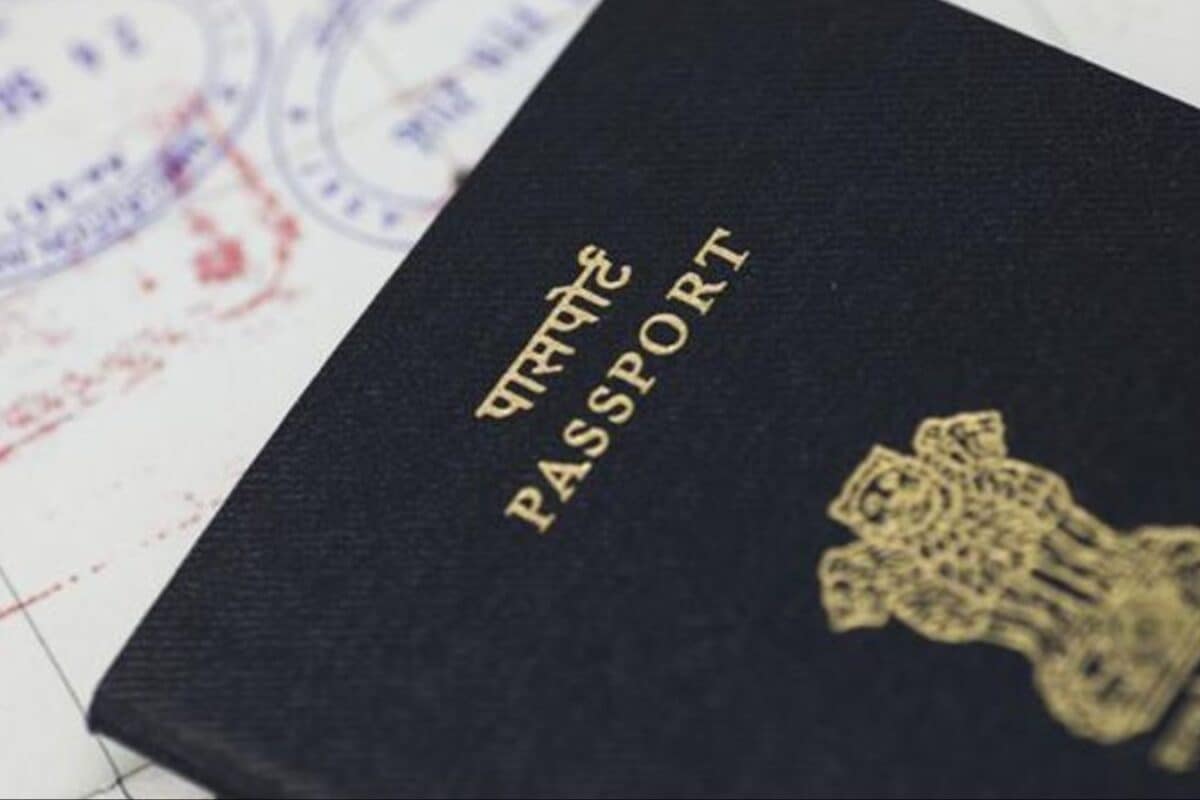
Passport Powerful Evidence Of Citizenship, Not Its Conclusive Legal Proof: E Foreign Secy Explains Published By, Last Updated: June 25, 2026, 18:52 IST The former diplomat said no immigration authority abroad would suddenly begin questioning Indian passports because of a legal clarification made by the government. Rapid Read Rao stressed that the legal distinction should not diminish the practical significance of a passport. (PTI) foreign secretary Nirupama Menon Rao weighed in on the debate surrounding the Ministry of External Affairs’ (MEA) recent clarification that possessing an Indian passport does not, by itself, constitute proof of citizenship. In a detailed post on X, Rao explained that while the MEA’s statement is legally correct, it requires greater context to avoid public confusion. She emphasised that a passport remains one of the strongest pieces of evidence of Indian nationality, even though it is not the final legal authority in disputes over citizenship. “The Ministry of External Affairs stated that a passport is a travel document, not a document of citizenship. Legally, that is correct," Rao wrote. The discussion sparked by a recent statement on Passport Seva Divas has generated more heat than light.The Ministry of External Affairs stated that a passport is a travel document, not a document of citizenship.
Legally, that is correct. A passport is issued under the Passports… — Nirupama Menon Rao 🇮🇳 (@NMenonRao) June 25, 2026 She explained that passports are issued under the Passports Act, while citizenship is governed by the Citizenship Act, 1955. “A passport does not create citizenship. Nor is it the legal instrument that finally determines citizenship if that status is challenged before a court," she said. However, Rao stressed that the legal distinction should not diminish the practical significance of a passport. According to her, for most Indians, the passport is the most authoritative document issued by the Republic and serves as the strongest evidence of nationality in everyday life and international travel. “A passport is issued only after the Government has satisfied itself that the applicant is entitled to one. In everyday life, and in international travel, it is the strongest evidence of Indian nationality that most citizens will ever possess," she wrote. The former diplomat also pointed out that foreign governments accept Indian passports because they trust that India has verified the nationality of the bearer before issuing the document. Addressing concerns sparked by the controversy, Rao said no immigration authority abroad would suddenly begin questioning Indian passports because of a legal clarification made by the government.
 The BriefWire