Germany: Racism is almost a daily reality for Muslims
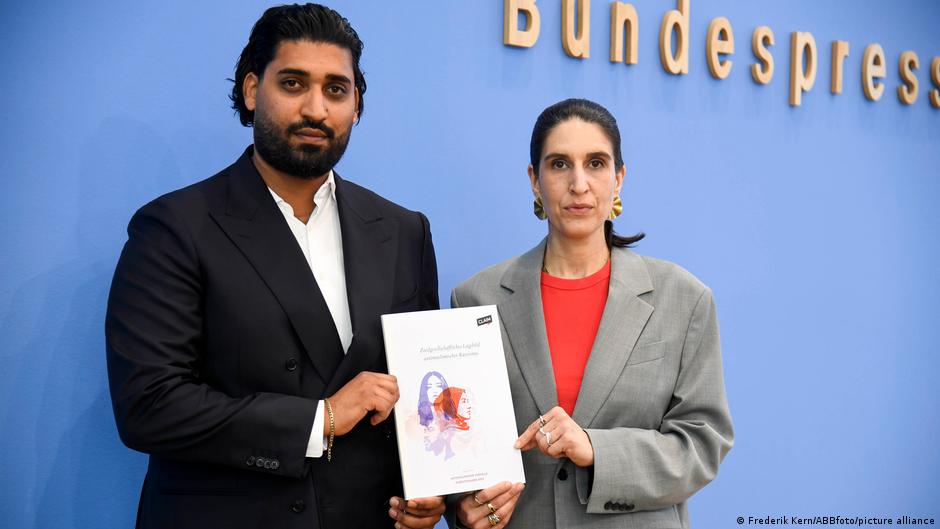
"The numbers are not just statistics. Behind every number is a face; behind every incident is a story," said 29-year-old Said Etris Hashemi at the
"The numbers are not just statistics. Behind every number is a face; behind every incident is a story," said 29-year-old Said Etris Hashemi at the presentation of a new report on anti-Muslim incidents on Wednesday in Berlin. Hashemi experienced this firsthand: On February 19, 2020, Hashemi narrowly survived an attack in Hanau, near Frankfurt, by a right-wing extremist who murdered nine people with immigrant backgrounds at two crime scenes. Hashemi's younger brother was among the people killed. Today, Hashemi, the son of Afghan refugees, is a member of the "February 19 Hanau Initiative," which preserves the memory of those murdered and warns against xenophobia. The Hanau murders showed "where exclusion, dehumanization, and racist stereotypes can lead,” Hashemi said. He is also the national chair of the Association of Binational Families and Partnerships. Documentary films probe German identity 5 years after Hanau To view this video please enable JavaScript, and consider upgrading to a web browser that supports HTML5 video The "Civil Society Assessment of Anti-Muslim Racism" is published annually by the Coalition Against Islamophobia and Anti-Muslim Hostility (CLAIM).
Anti-Muslim racism in numbers The 90-page document records 4,096 anti-Muslim incidents in 2025, an increase of more than a thousand on the previous year (in 2024 there were 3,080). More than 60% of all documented incidents were verbal attacks (2,379 cases), while there were 840 cases of discrimination and 680 other cases of harmful behavior, including physical assaults and property damage. The report documents two homicides, 214 cases of bodily injury, four cases of aggravated assault or attempted murder, and five cases of arson. The report also documented two homicides and 214 serious assaults resulting in bodily injury in 2025. In addition, there were 61 attacks on mosques, out of a total of 64 attacks on religious institutions, including bomb threats against mosque communities, flyers posted outside mosques, and a swastika painted outside a university prayer room. To compile its assessment, CLAIM analyzed reports from 38 counseling and documentation centers in 15 of Germany's 16 states, data on politically motivated crime, media reports, and reports from those affected. Discrimination and attacks were recorded regardless of whether they meet the threshold for criminal prosecution.
The perspective of those affected was central to this process, the organization said. Poorly treated? Racism in German medicine To view this video please enable JavaScript, and consider upgrading to a web browser that supports HTML5 video Muslim people tend to be portrayed "primarily as perpetrators,... but not as victims of exclusion and violence," said Rima Hanano, one of CLAIM's executive directors, and warned of the consequences for those affected: Experiences of racism reinforce the feeling of "not belonging." Trust in politics is being lost, she argued, and warned that addressing discrimination and violence touches on the "very core of our democracy." She noted that racism, in its various forms — Islamophobia, antisemitism, and xenophobia — is "at an extremely high level." CLAIM also urged policymakers to strengthen support and protection for those affected, improve the investigation and prosecution of anti-Muslim hate crimes, and establish more counseling services. The next generation of Muslims in Germany As part of his work, Hashemi visits schools to talk with students about their experiences. "Anti-Muslim racism in Germany is not a marginal phenomenon, but a reality for many people," he said.
 The BriefWire