Strait Of Hormuz Opens, See What's Happening To Oil Prices: A Closer Look At Data
Strait Of Hormuz Opens, See What's Happening To Oil Prices: A Closer Look At Data Published By, Last Updated: June 25, 2026, 17:56 IST Oil
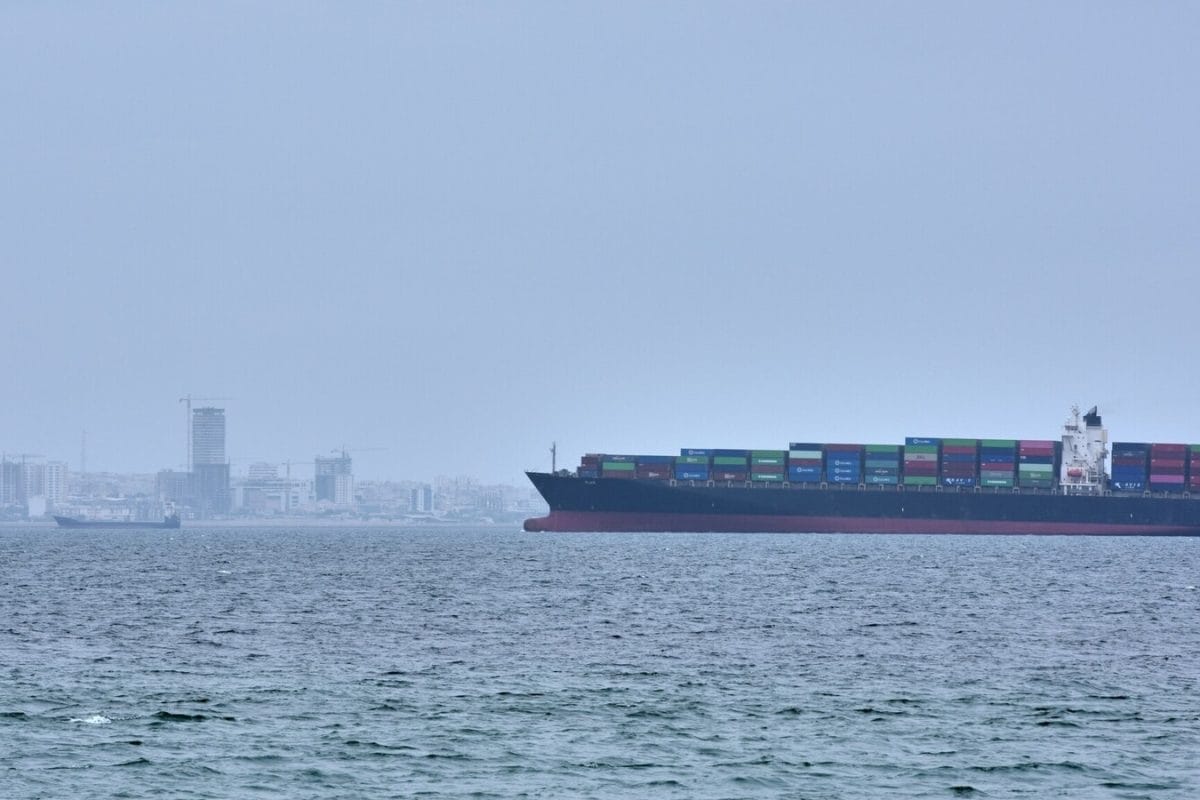
Strait Of Hormuz Opens, See What's Happening To Oil Prices: A Closer Look At Data Published By, Last Updated: June 25, 2026, 17:56 IST Oil prices fall to pre war levels as Hormuz traffic normalizes, Iran asserts control over routes, US rejects Iranian tolls, Iran deal faces Republican and regional scepticism. File image of Strait of Hormuz. (AP photo) Oil prices slipped back to pre-war levels on Thursday as shipments through the Strait of Hormuz neared normal volumes, while the United States moved to reassure Gulf allies that its preliminary agreement with Iran would not compromise regional security or allow Tehran to impose charges on vessels using the vital waterway. US Energy Secretary Chris Wright said at least 20 million barrels of oil had exited the Strait of Hormuz in the previous 24 hours, with traffic approaching levels seen before the US and Israel launched strikes on Iran on February 28. The rebound in shipping helped ease concerns over global energy supplies after Iran effectively took control of the strategic chokepoint during the conflict, disrupting oil flows and unsettling international markets. Iran Warns Ships Over Hormuz Routes Despite the recovery in traffic, Iran signalled that it would continue to assert control over shipping movements through the strait.
Iran’s Revolutionary Guards warned vessels to follow routes designated by Tehran, rejecting newly announced shipping lanes that were not coordinated with Iran as “unacceptable and dangerous". The warning came after Oman announced temporary shipping lanes through the Strait of Hormuz in coordination with the International Maritime Organization. UN shipping data showed that 57 vessels carrying around 1,100 seafarers had transited the waterway since June 23 under an evacuation plan. Rubio Rules Out Toll Demand US Secretary of State Marco Rubio used a visit to Bahrain, home to the US Navy’s Fifth Fleet, to assure Gulf Arab states that Washington would not accept Iranian tolls on ships using the Strait of Hormuz. “No country on Earth has the right to charge for the use of international waterways. And that will never be an acceptable condition of any deal," Rubio told Gulf foreign ministers. Before the conflict, the Strait of Hormuz handled around one-fifth of global oil and liquefied natural gas flows. Iran has suggested it could seek to impose environmental, navigation or security-related charges after the current 60-day arrangement ends, an idea opposed by Washington and Gulf governments. Trump Faces Pressure At Home The diplomatic push comes as President Donald Trump faces growing criticism from within his own Republican Party over the Iran war and the framework agreement signed last week.
 The BriefWire