Why Social Media Matters In A Disaster: 5 Lessons From Venezuela's Earthquake
Why Social Media Matters In A Disaster: 5 Lessons From Venezuela's Earthquake Published By, Last Updated: June 25, 2026, 16:45 IST Two earthquakes of magnitude
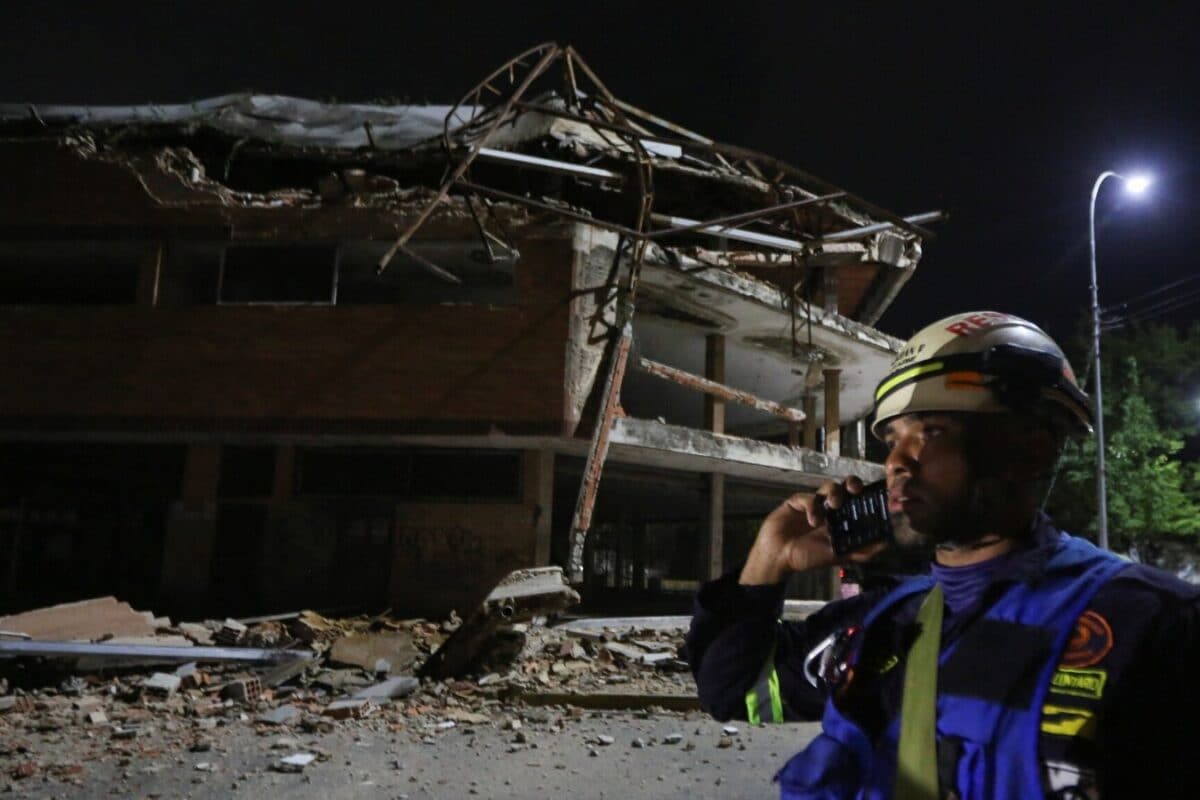
Why Social Media Matters In A Disaster: 5 Lessons From Venezuela's Earthquake Published By, Last Updated: June 25, 2026, 16:45 IST Two earthquakes of magnitude 7.2 and 7.5 hit Venezuela, killing at least 164, injuring 971, UN experts urge to restore blocked social media and news for life saving information. A firefighter stands next to a damaged building that used to house a university several years ago, after a strong earthquake, in Valencia, Venezuela, June 24, 2026. REUTERS/Juan Carlos Hernandez As rescue teams search through collapsed buildings after Venezuela was struck by two powerful earthquakes, United Nations experts have urged authorities to immediately restore access to social media and news outlets, calling the free flow of information a “matter of life and death". The death toll from the magnitude 7.2 and 7.5 earthquakes has risen to at least 164, while 971 people have been injured, according to interim President Delcy Rodriguez. The toll is expected to rise as rescuers continue operations in hard-hit areas, including La Guaira, north of Caracas.:contentReference[oaicite:0]{index=0} The UN Independent International Fact-Finding Mission on Venezuela said unrestricted communication must be part of the emergency response, urging telecommunications regulator CONATEL to unblock social-media platforms and media websites.:contentReference[oaicite:1]{index=1} 1.
Alerts Can Give People Crucial Seconds In the immediate aftermath of an earthquake, official alerts and verified updates can help people make life-saving choices: evacuating damaged buildings, avoiding unsafe roads, moving away from coastal areas where necessary, and checking on vulnerable relatives. Smartphone-based warning systems can detect a quake after it begins and, in some locations, send alerts before stronger shaking reaches people farther from the epicentre. But such warnings are useful only when networks, devices and access to information are available. 2. Families Need A Way To Find Each Other When phone lines are overloaded or homes are damaged, messaging platforms and social networks often become the quickest way for people to tell relatives they are safe, seek help or share the location of those missing. In a disaster where buildings have collapsed and thousands may be displaced, limiting access to those channels can make it harder for families to locate loved ones and for responders to identify people who need urgent assistance. 3. Rescue Teams Depend On Real-Time Information Social media posts, photos and videos can help emergency agencies map damage, identify blocked roads and flag locations where people may be trapped.
 The BriefWire